
What are the different valve types fo...
Mini tank valves include ball, needle, diaphragm, and plug valves, differing in flow control, pressure tolerance, and application: Ball valves (Cv 0.1–10 GPM) suit hig...
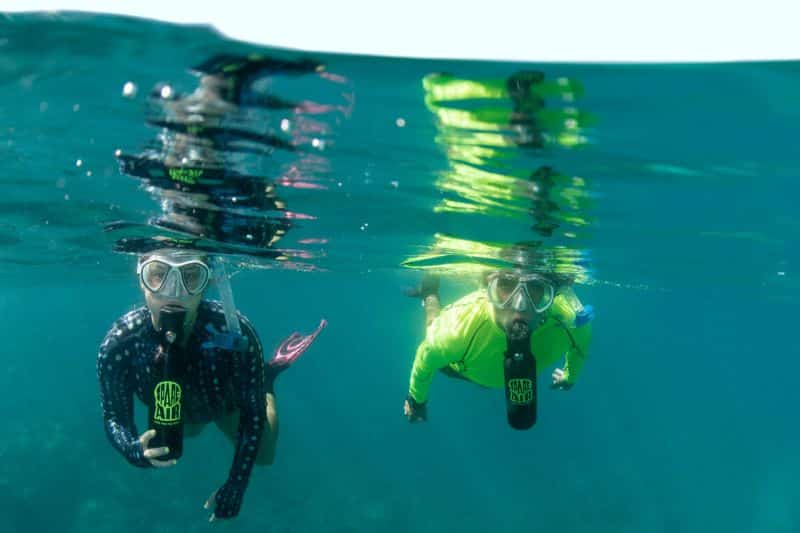
How to choose a mask for mini tank di...
When choosing a mask for mini tank diving, prioritize a snug fit (test with the "2-finger press" to check for leaks), 180° wide-angle lenses to maximize underwater vis...
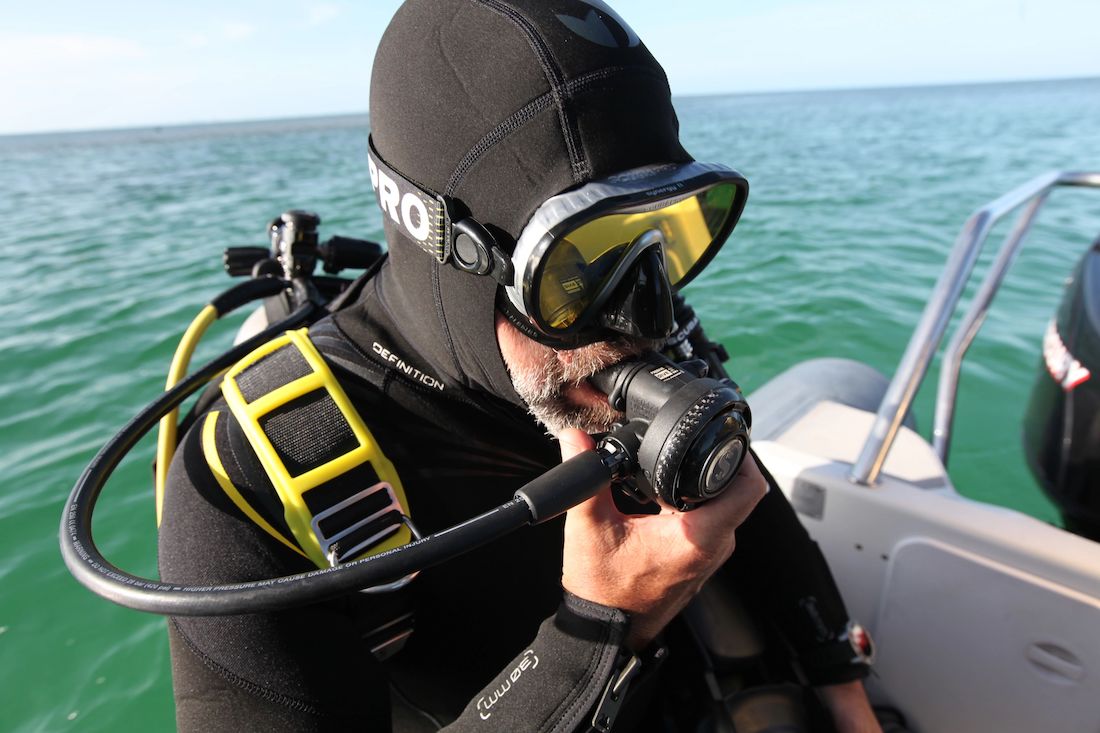
How to troubleshoot a mini scuba tank...
To troubleshoot a mini scuba tank regulator, start by checking pressure—if it’s below 500 psi (normal is above 800 psi), the tank may be underfilled. Next, inspect for...
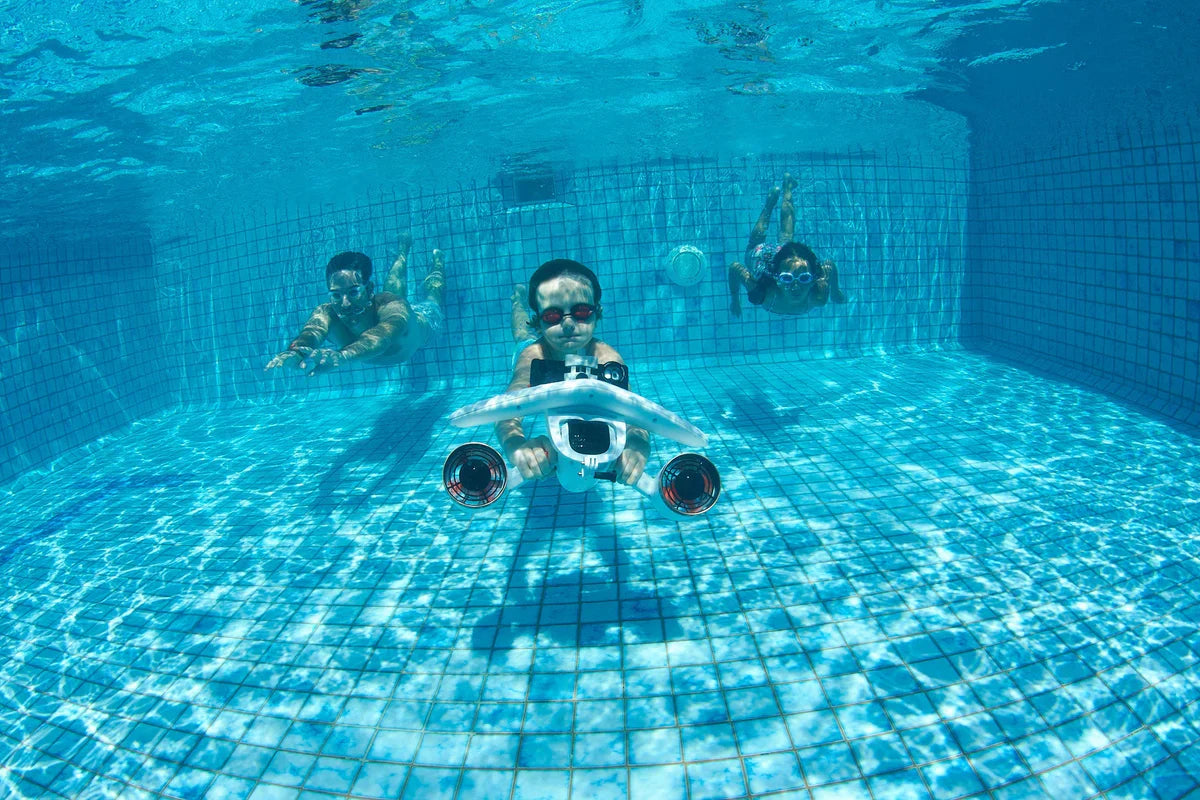
How to use an underwater scooter with...
To use an underwater scooter with a mini tank, first check the tank’s oxygen capacity (e.g., 200L for 30 mins); start slow at 2-3 knots to avoid stirring sediment; lim...
Can you use a mini scuba tank for ski...
While mini scuba tanks can be used for skin diving, key considerations are their extremely short duration (often just 1-2 minutes at 10m depth), the significant buoyan...
Troubleshooting mini tank leaks: 5 co...
When troubleshooting mini tank leaks, start by checking the air valve seal for cracks or debris, as this common issue causes 20% of leaks. Next, inspect the O-rings on...