
5 Ways to Prevent Tank Damage During ...
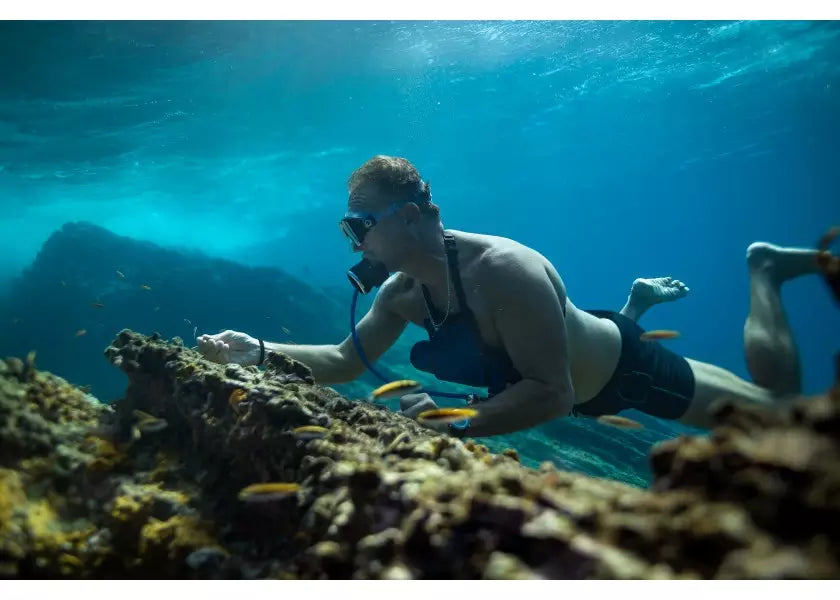
To prevent tank damage during transport, secure with 4+ high-strength straps (≥500kg capacity) to limit shifting; maintain internal temp ≤5°C fluctuations via real-tim...

How to Select Mini Tanks Based on Div...
To select mini tanks by dive frequency, note that casual divers (1-2 dives/month) need only 2L tanks for brief checks, while frequent divers (3+ dives/week) benefit fr...
5 Essential Safety Features to Check ...
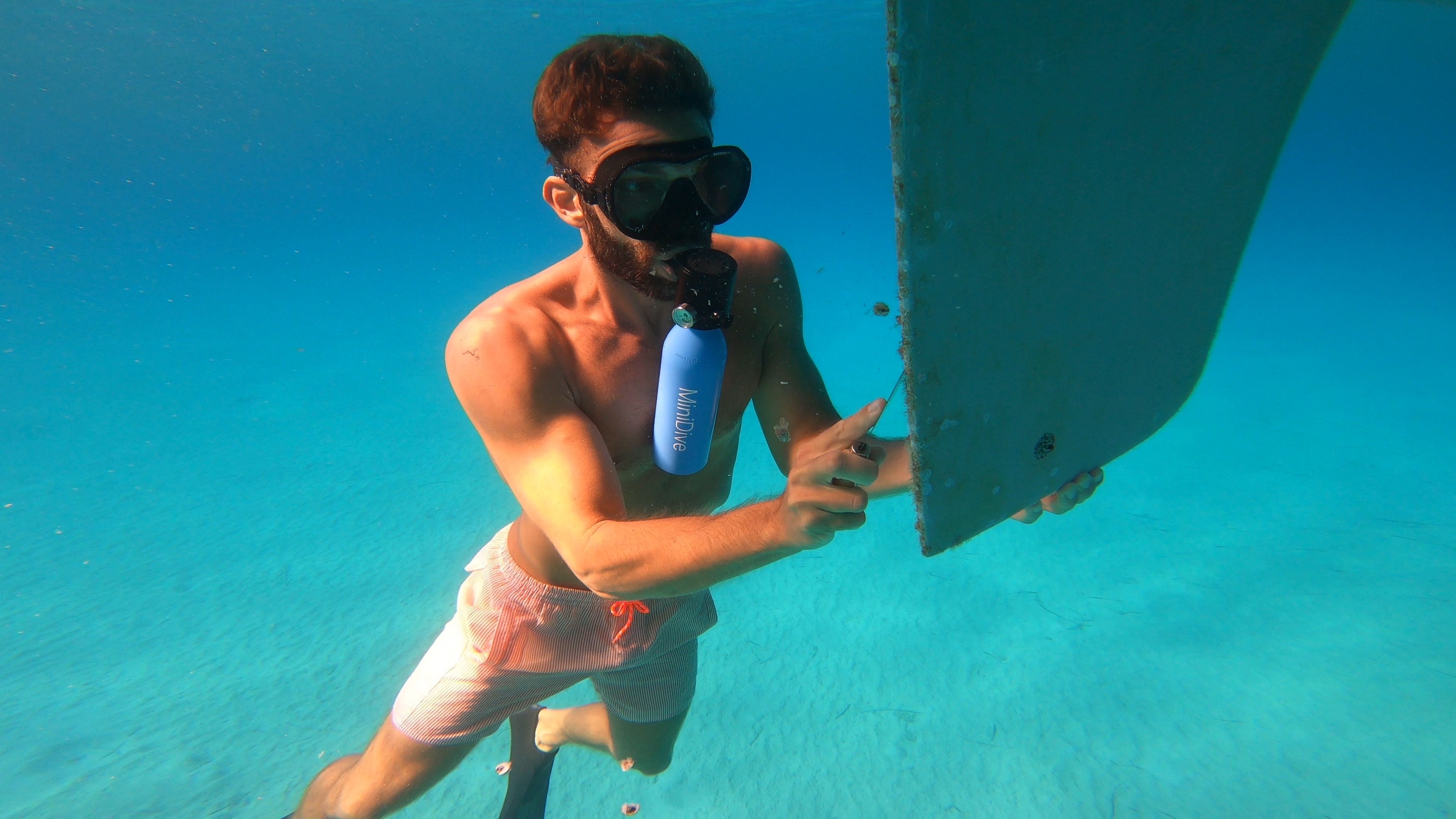
Ensuring mini tank safety hinges on five critical checks: first, verify the pressure relief valve is calibrated to open at 110% of the tank’s rated working pressure (e...

How to Choose a Mini Tank for Recreat...
When choosing a mini tank for recreational diving, focus on capacity (3-5L) for dive duration, weight (<2.5kg) to avoid fatigue, valve type (dual-outlet preferred f...
Mini Tank Safety Features: 5 Mechanis...
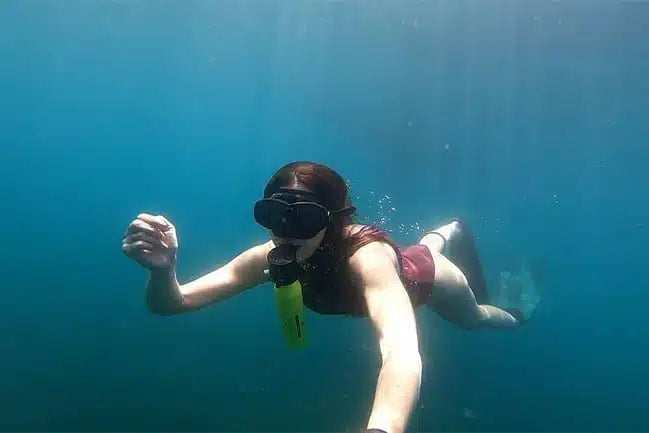
The Mini Tank incorporates five key safety features: a 35-degree tilt sensor halts operation if tilted beyond safe limits, a pressure relief valve activates at 2.5 bar...
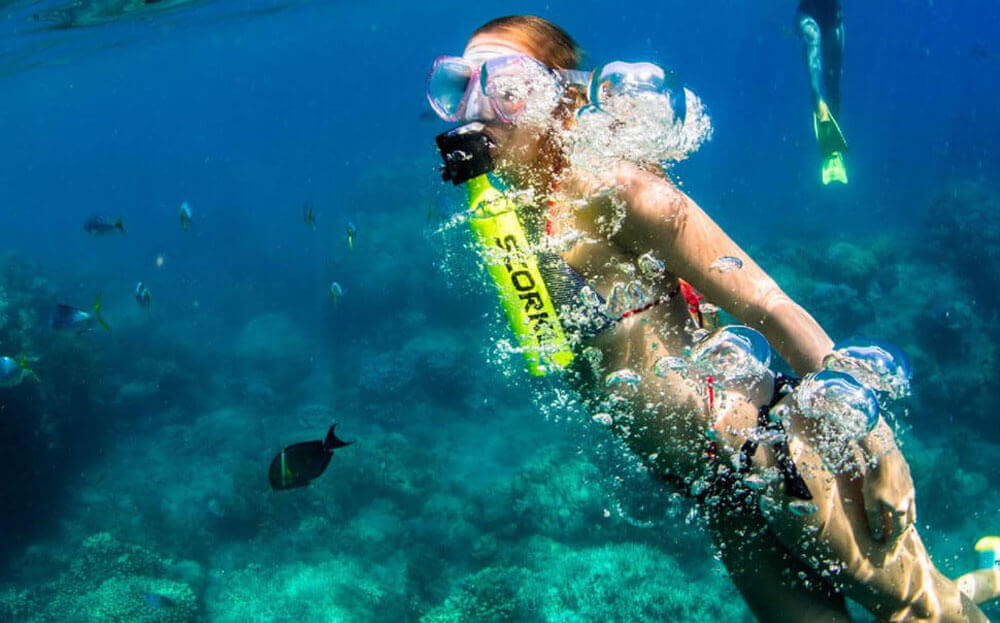
Mini Scuba Tank Safety Guidelines 5 M...
To ensure mini scuba tank safety, check the pressure gauge first—always use tanks with ≥50% of their rated capacity (e.g., ≥100 bar for 200-300 bar tanks) to avoid sup...