
Mini tank lifespan: 5 storage tips to...
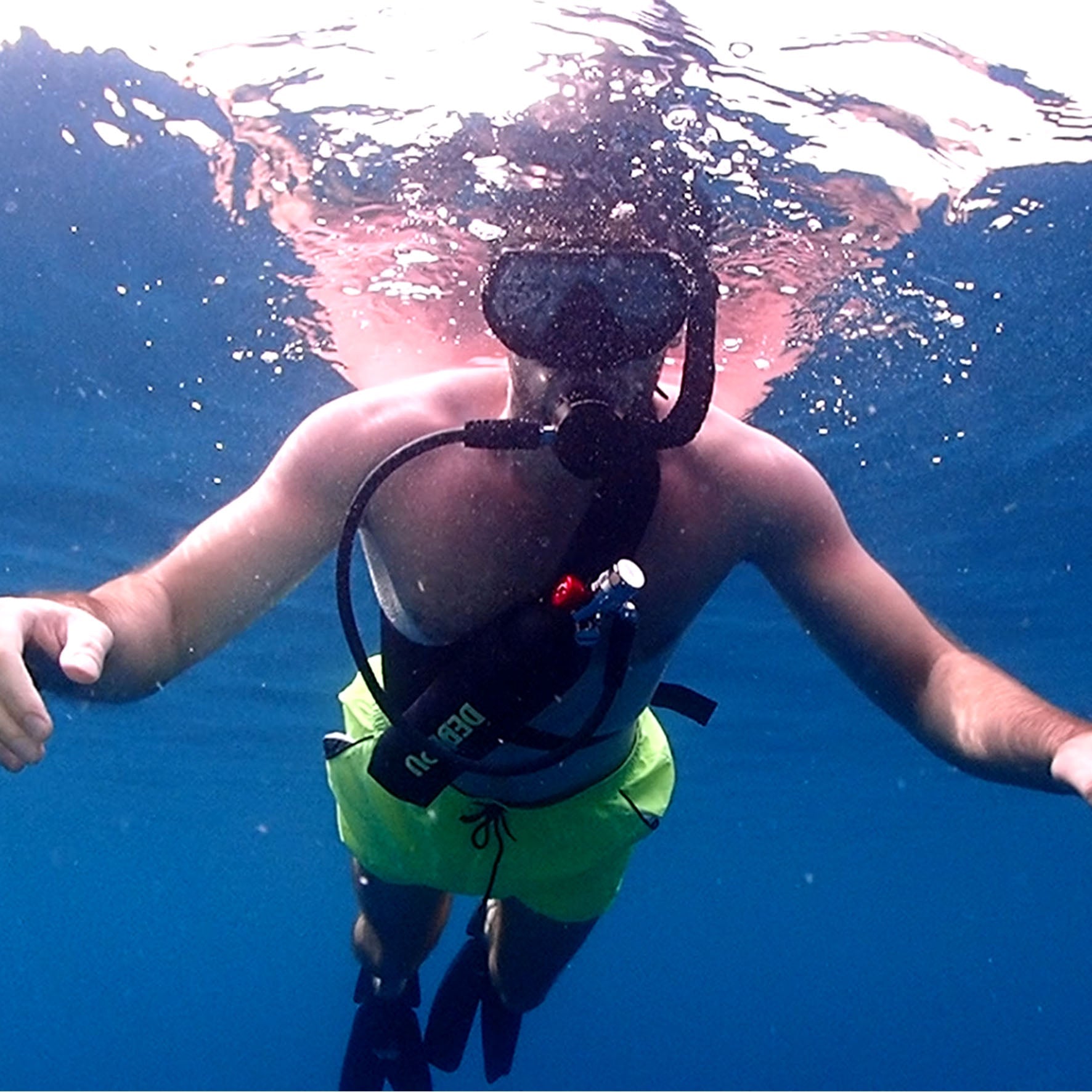
Store between 50-80°F (10-27°C) - temperatures above 90°F degrade materials 40% faster. Maintain humidity below 60% RH using silica gel packs; higher levels cause corr...
Mini scuba tank air time: How long 30...
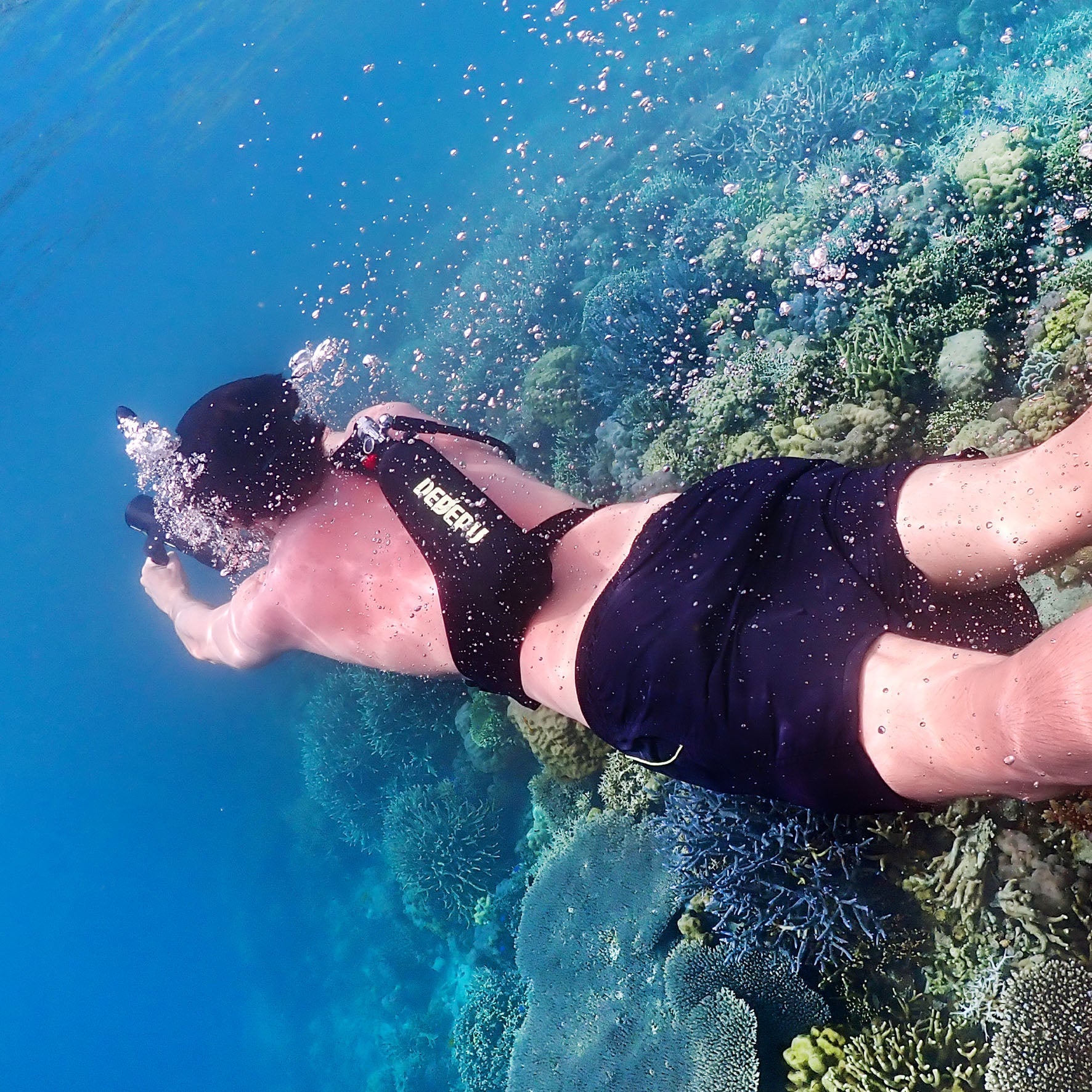
A fully charged 3000 PSI mini scuba tank (typically holding 0.5 - 0.75 cubic feet of air) provides limited time. At 10m depth (2 atmospheres absolute pressure), a dive...
Beginner mini tank usage: 5 essential...
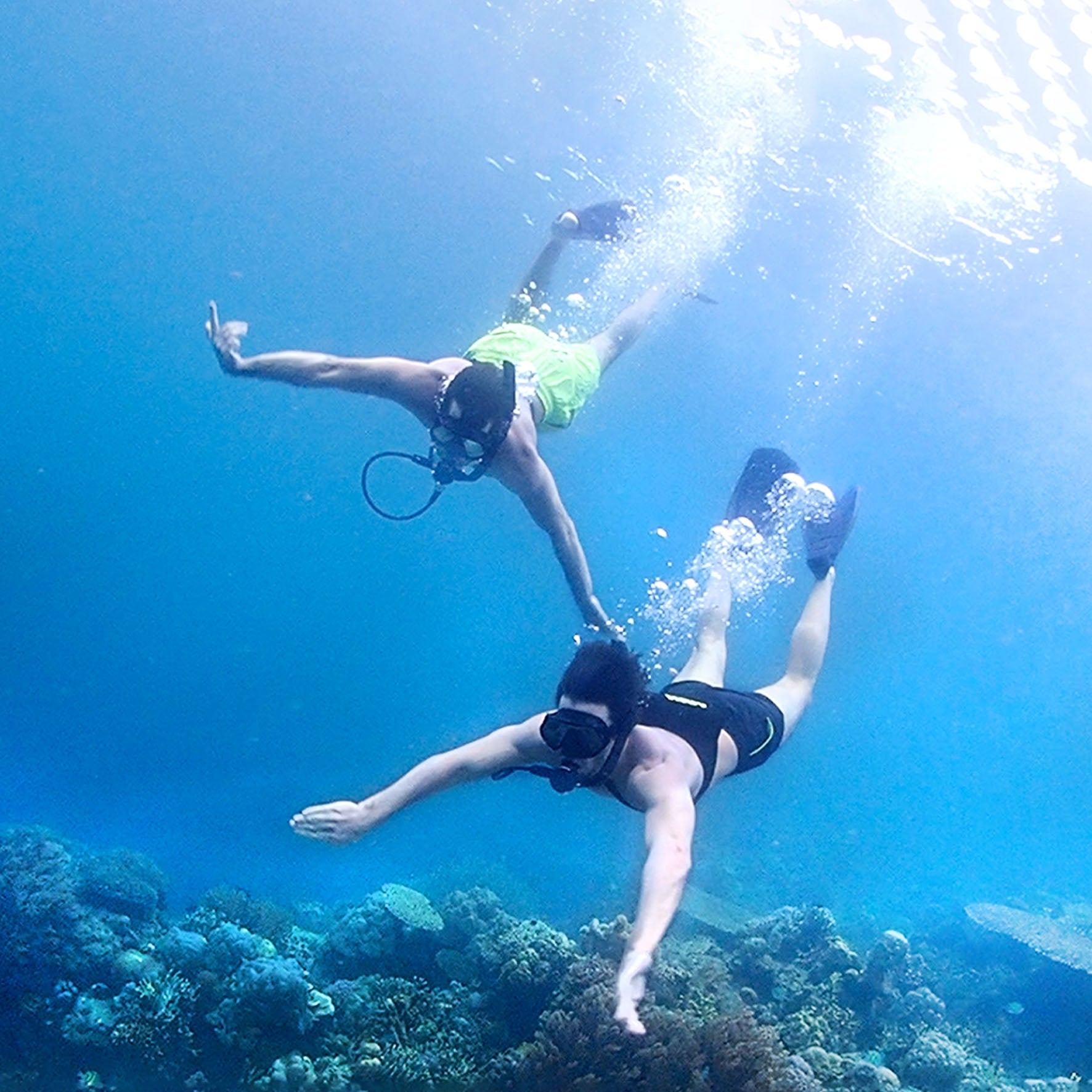
Check Air & Gear: Verify tank pressure is ≥ 2000 PSI. Ensure the regulator mouthpiece fits snugly. Practice Breathing: Sit calmly. Inhale through your mouth, ex...
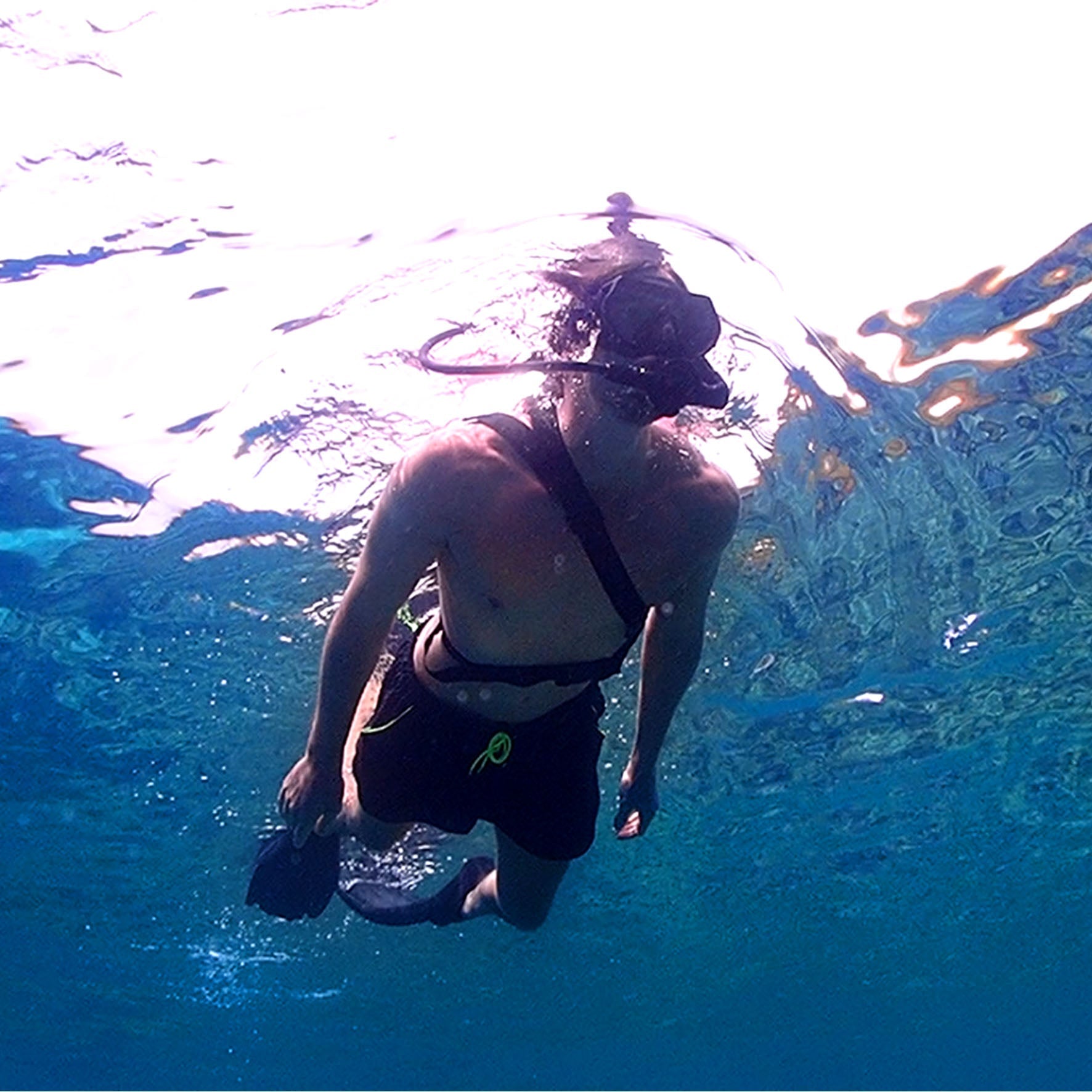
Buying pitfalls for mini tank: Avoid ...
Before buying a mini scuba tank, check the hydrostatic test date; it must be stamped within the last 5 years for safety compliance. Use a soft cloth to inspect the cyl...
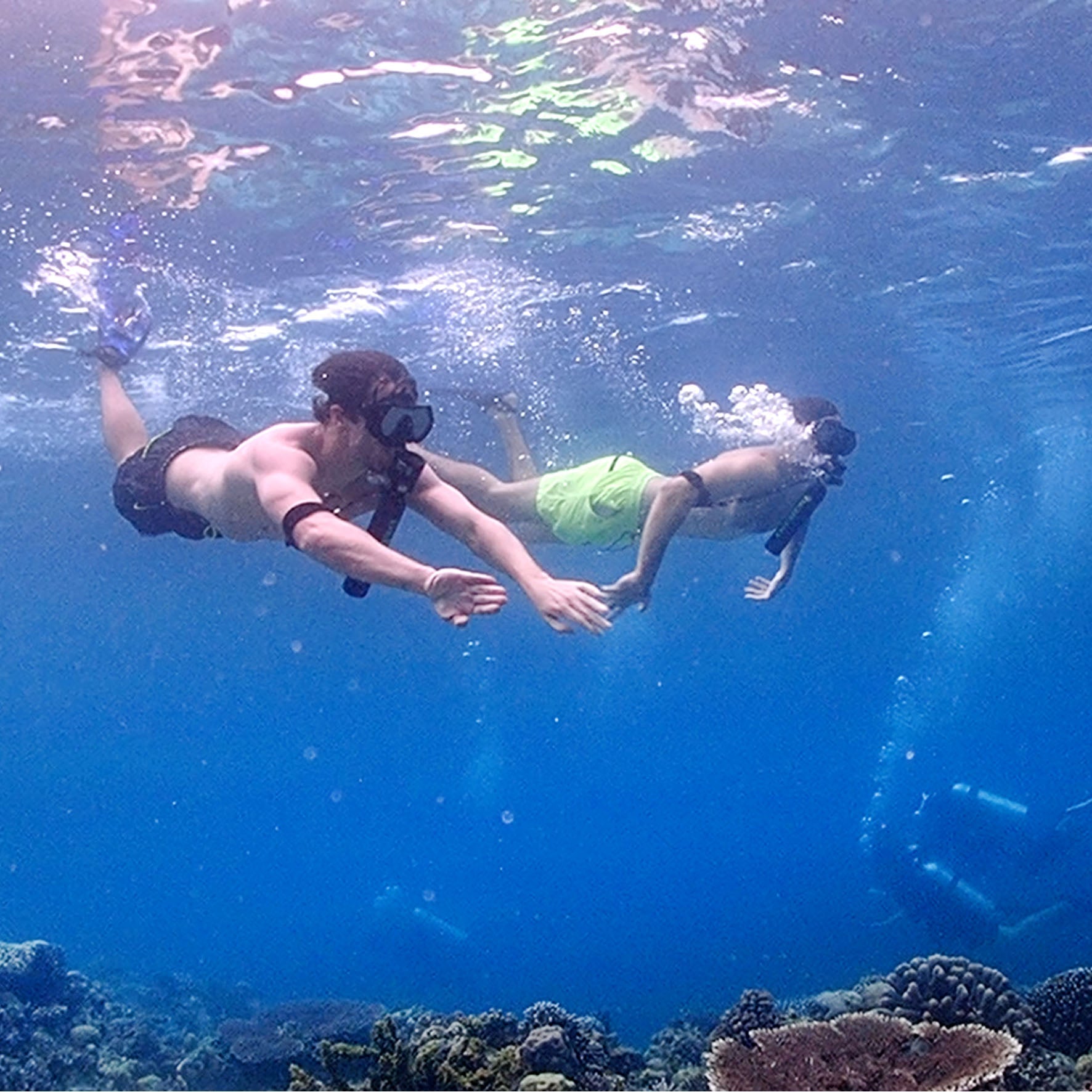
Essential snorkel gear: 6 items paire...
Mask: Ensure a tight seal by pressing it to your face without straps and inhaling gently. Skirt width (~10 cm standard) prevents leaks. Snorkel: Choose a dry-top m...
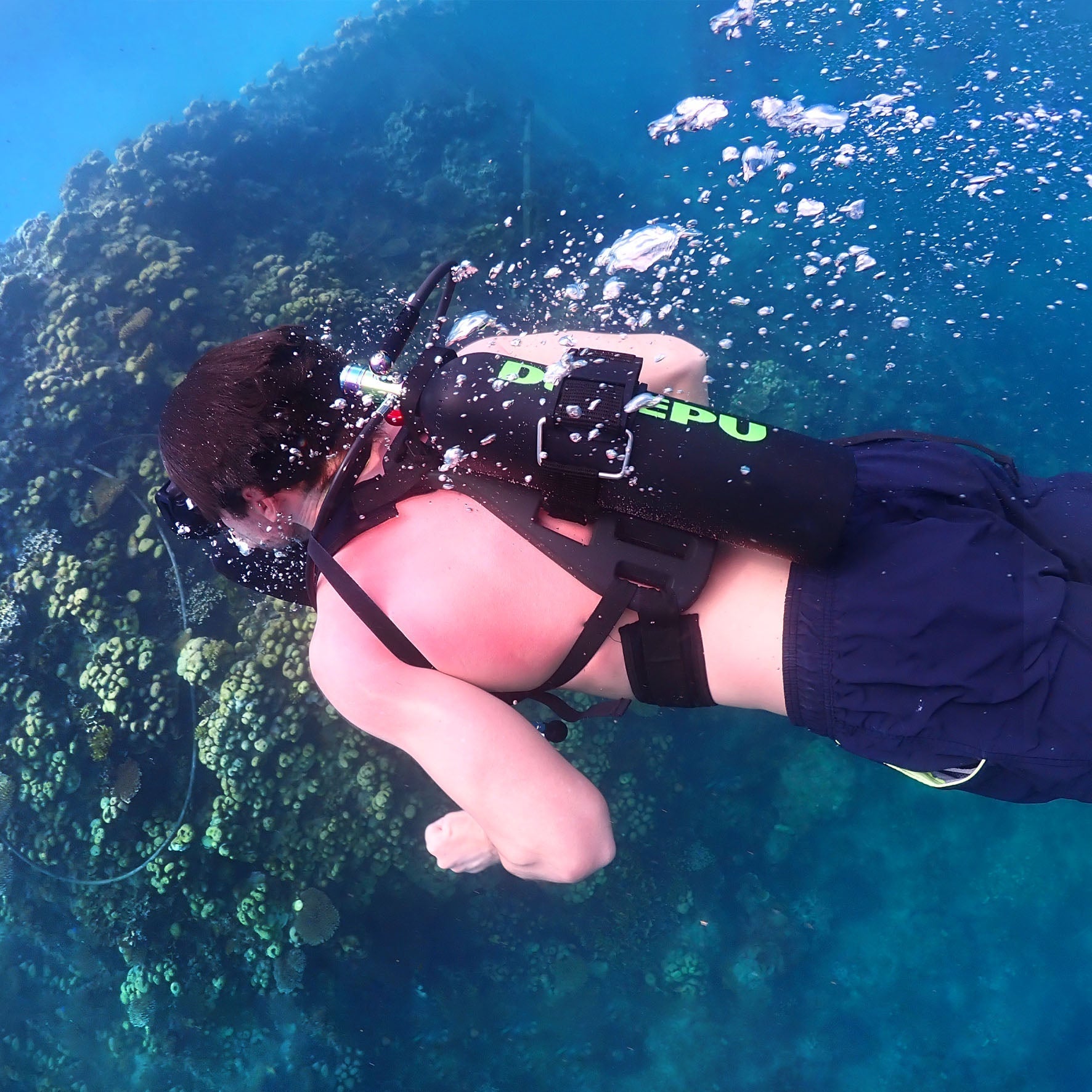
Calculate mini tank air usage: 7 step...
To calculate mini tank air usage: Start by measuring your breathing rate (Breaths Per Minute - BPM). At the surface wearing all dive gear, breathe normally from the ta...