
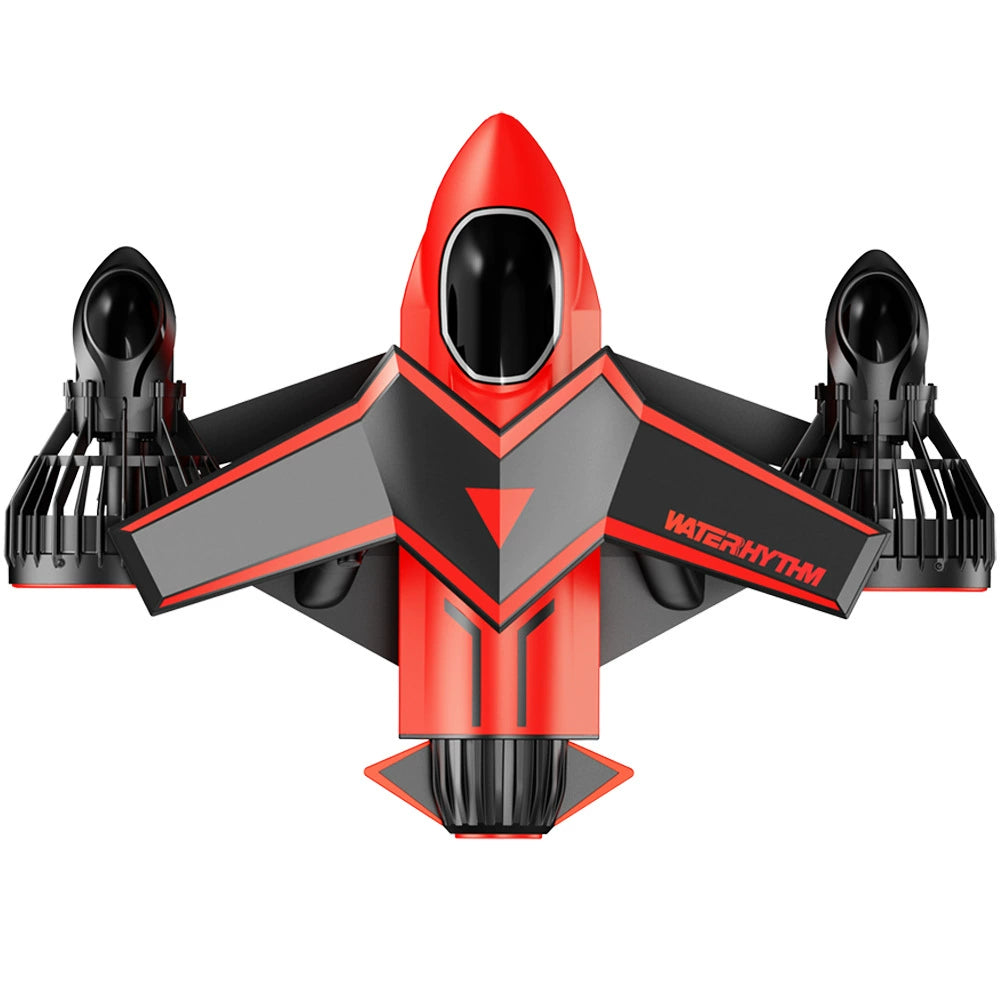
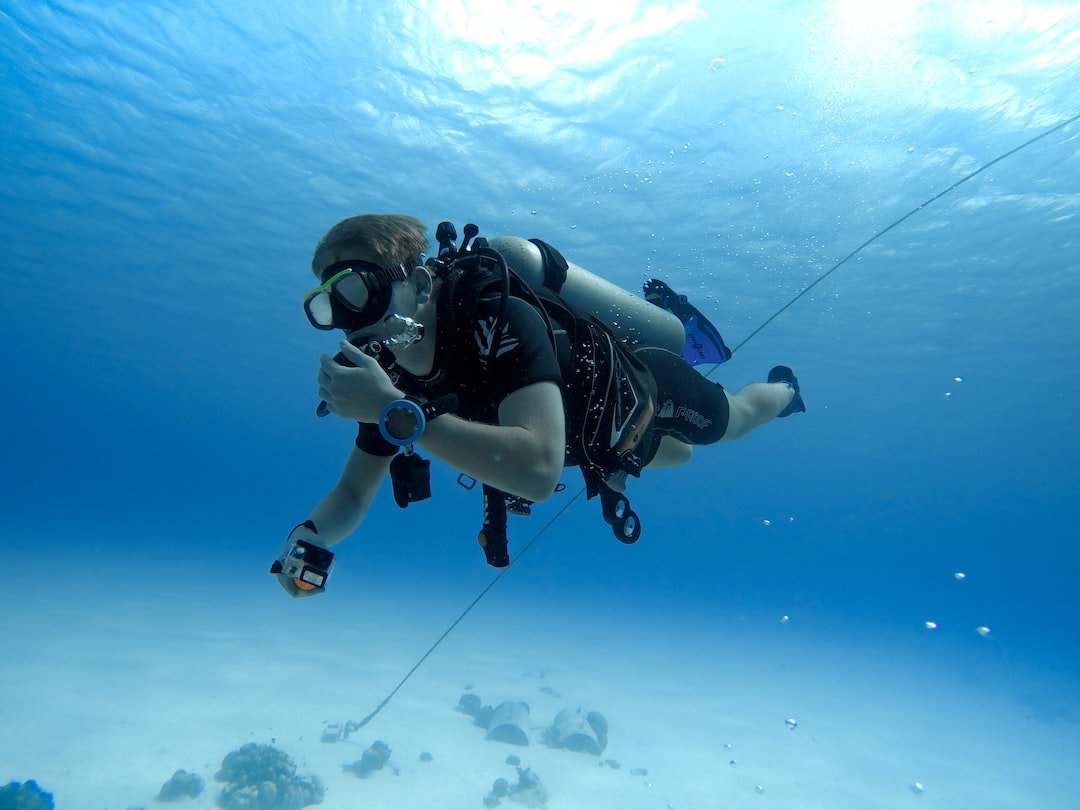
Snorkel dry top valves: 5 Anti-Leak M...
Snorkel dry top valves feature five key anti-leak mechanisms: 1) Dual silicone seals (99.5% waterproof) prevent water ingress at the neck, 2) Pressure-equalizing exhau...
Temperature impact on mini tanks: 5 S...
Temperature significantly impacts mini tank storage: store between 10°C–25°C to prevent material degradation or pressure fluctuations. Below 5°C, seals may harden and ...
Hydrostatic testing process: 5 Steps ...
The hydrostatic testing process for scuba tanks involves 5 key steps: 1) Visual inspection for cracks/dents (reject if depth exceeds 0.1 inch), 2) Filling with water t...

Handheld scuba tank safety: 5 pre-div...
Before diving with a handheld scuba tank, perform these 5 critical checks: 1) Inspect the tank for dents/cracks (even small damage can risk failure); 2) Verify the pre...
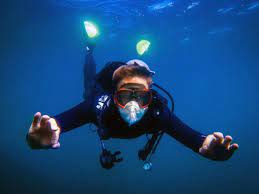
Mini vs standard scuba tank: 6 crucia...
Mini scuba tanks (e.g., 1-3L) offer 5-15 minutes of air vs. standard tanks (10-15L) providing 30-60 minutes, with mini tanks weighing 2-5 lbs (portable) vs. standard 2...

Steel vs aluminum scuba tanks: 5 main...
Steel vs aluminum scuba tanks differ in maintenance: steel tanks (3-5 times more durable) require annual hydrostatic testing, while aluminum needs it every 5 years; st...