
Essential Snorkeling Gear: 5 Dive Com...
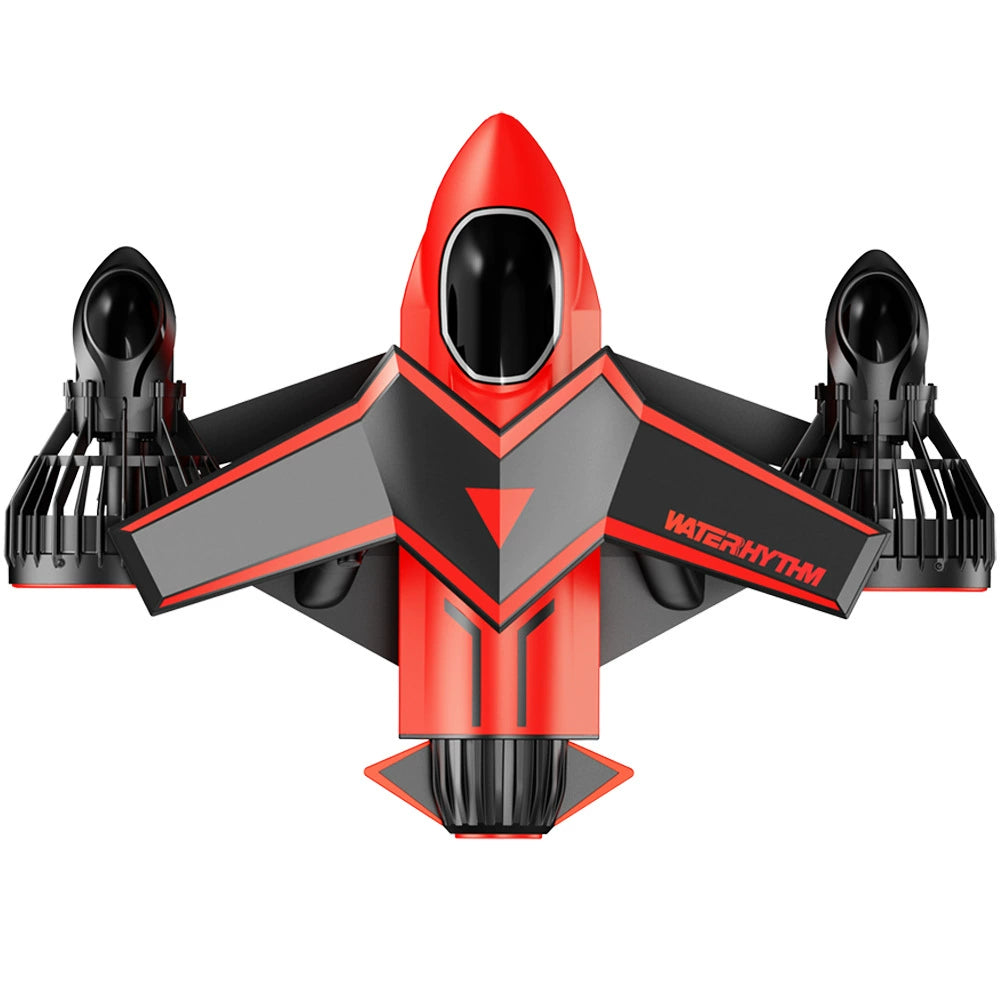
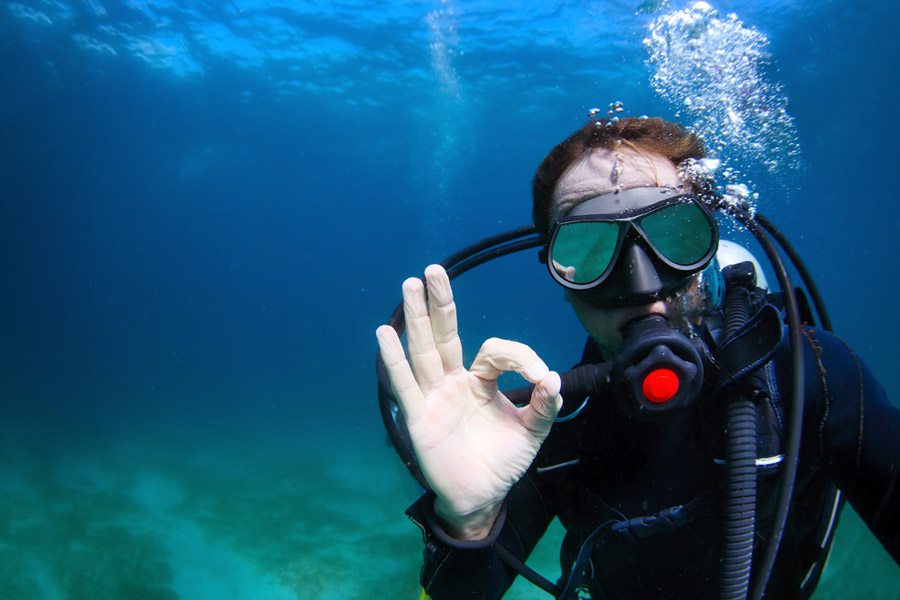
For a safe and enjoyable snorkeling experience, 5 essential dive-compatible items include a tempered glass mask (providing 180° visibility), a dry-top snorkel (prevent...
Saltwater Corrosion Prevention: 5 Min...
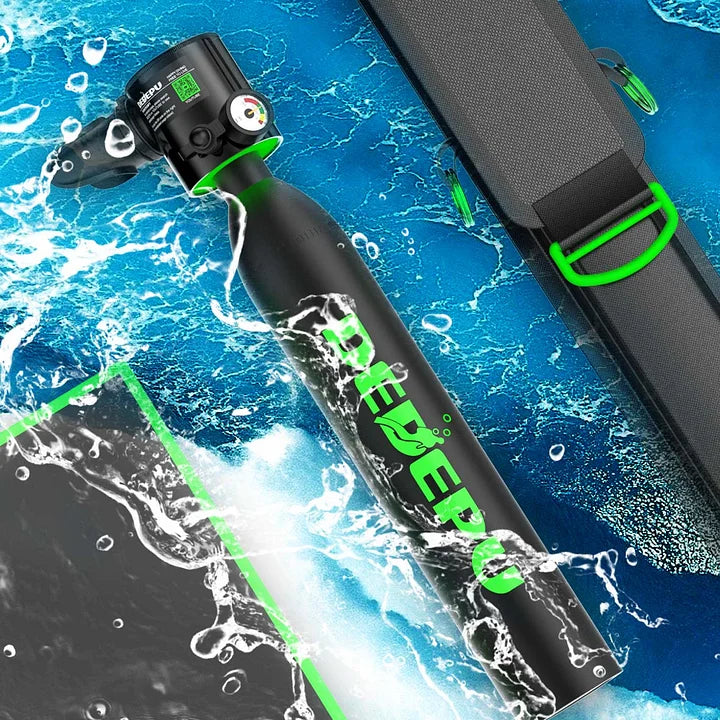
To prevent saltwater corrosion in mini tanks, rinse with freshwater after each use (2-3 mins) to remove salt residues, apply silicone-based lubricant monthly on metal ...
Why do divers carry oxygen cylinders
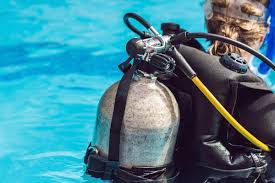
Divers carry oxygen cylinders, technically called scuba tanks, to breathe underwater since humans cannot extract oxygen from water like fish. These tanks typically con...
Tank Hydrostatic Testing: Full Proces...
Hydrostatic testing safely checks tank strength by filling it with water at 1.5x working pressure for 10–30 minutes while monitoring for leaks or deformation; small ta...
Flying with Mini Scuba Dive Tank: Air...
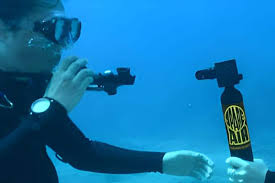
When flying with a mini scuba tank (under 2 kg and under 100 psi), follow airline rules in 6 steps: 1) Empty it completely (0 psi), 2) Remove the regulator, 3) Check w...
Skin Diving with Mini Scuba Tank: 6 E...
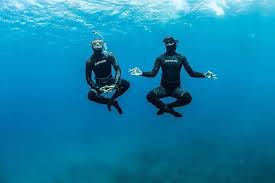
Skin diving with a mini scuba tank offers a lightweight, portable alternative to traditional scuba gear, typically allowing 30–60 minutes of underwater exploration at ...