
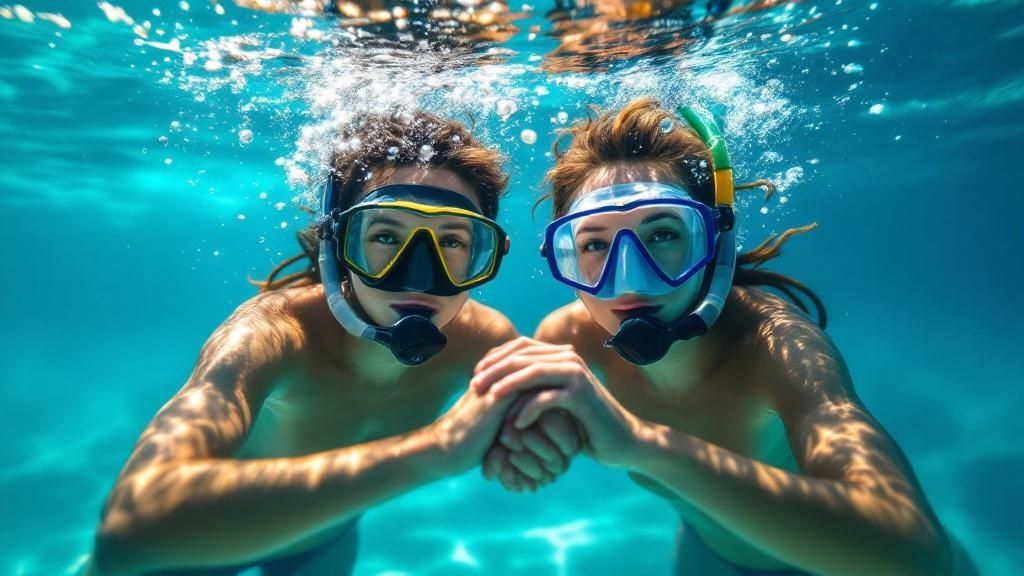
How to share snorkel gear safely 4 hy...
To safely share snorkel gear, follow four key hygiene protocols: rinse with warm water post-use to remove sand/salt, soak in 50-100ppm chlorine solution for 10 minutes...
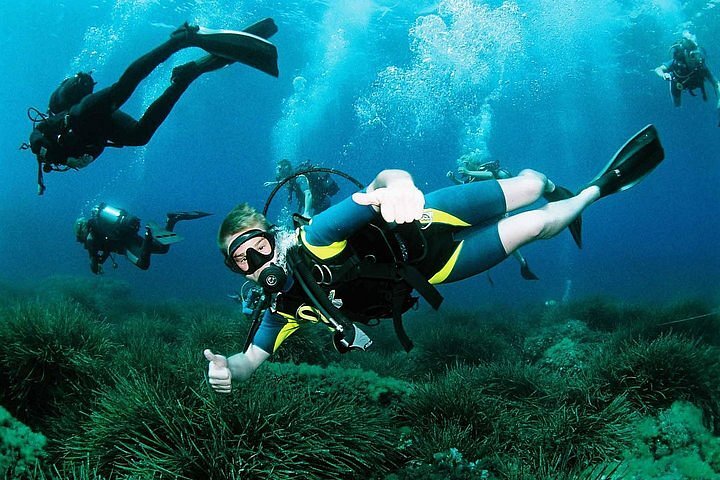
How to check air freshness 3 sensory ...
To check air freshness via three sensory evaluations, start with olfactory assessment: inhale deeply—fresh air smells neutral, free of musty, chemical, or combustion o...
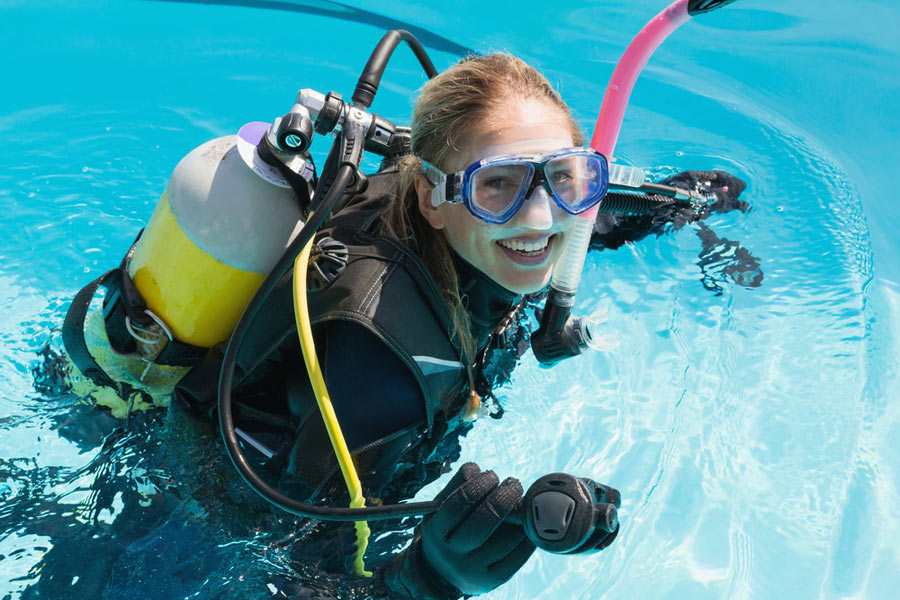
How to use a snorkel with long hair 4...
For long hair, secure with a tight braid (minimum 10 inches) to prevent tangling; use a 2-inch-wide elastic headband under the snorkel strap for grip; wrap hair with a...
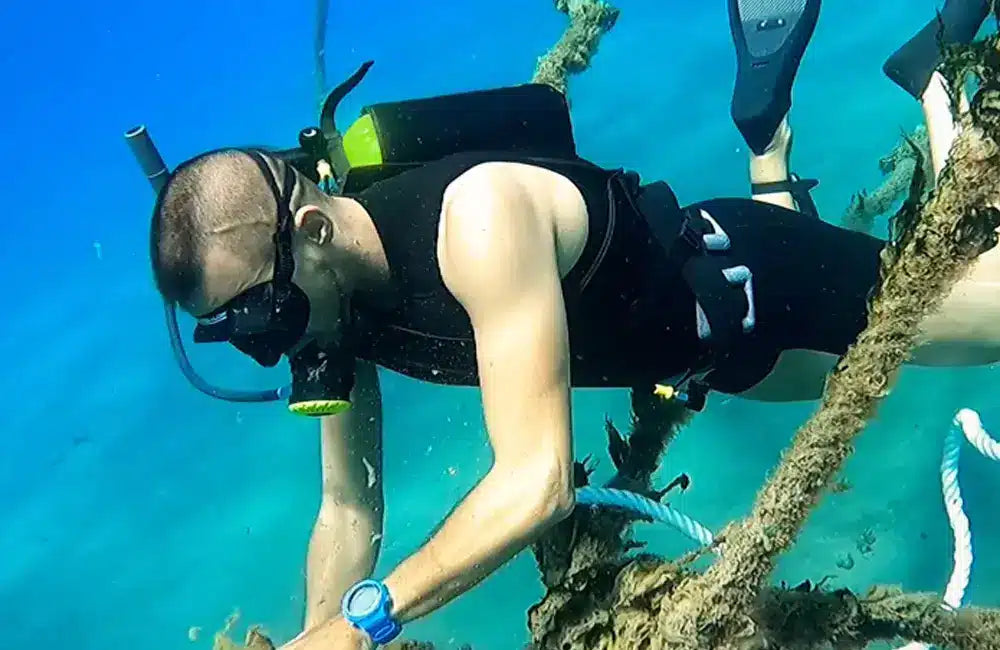
5 Critical Pressure Check Points for ...
For small dive tanks, key pressure checks include: verifying hydrostatic test at 300 bar (1.5x working pressure), ensuring no overfill beyond 200 bar service limit, co...
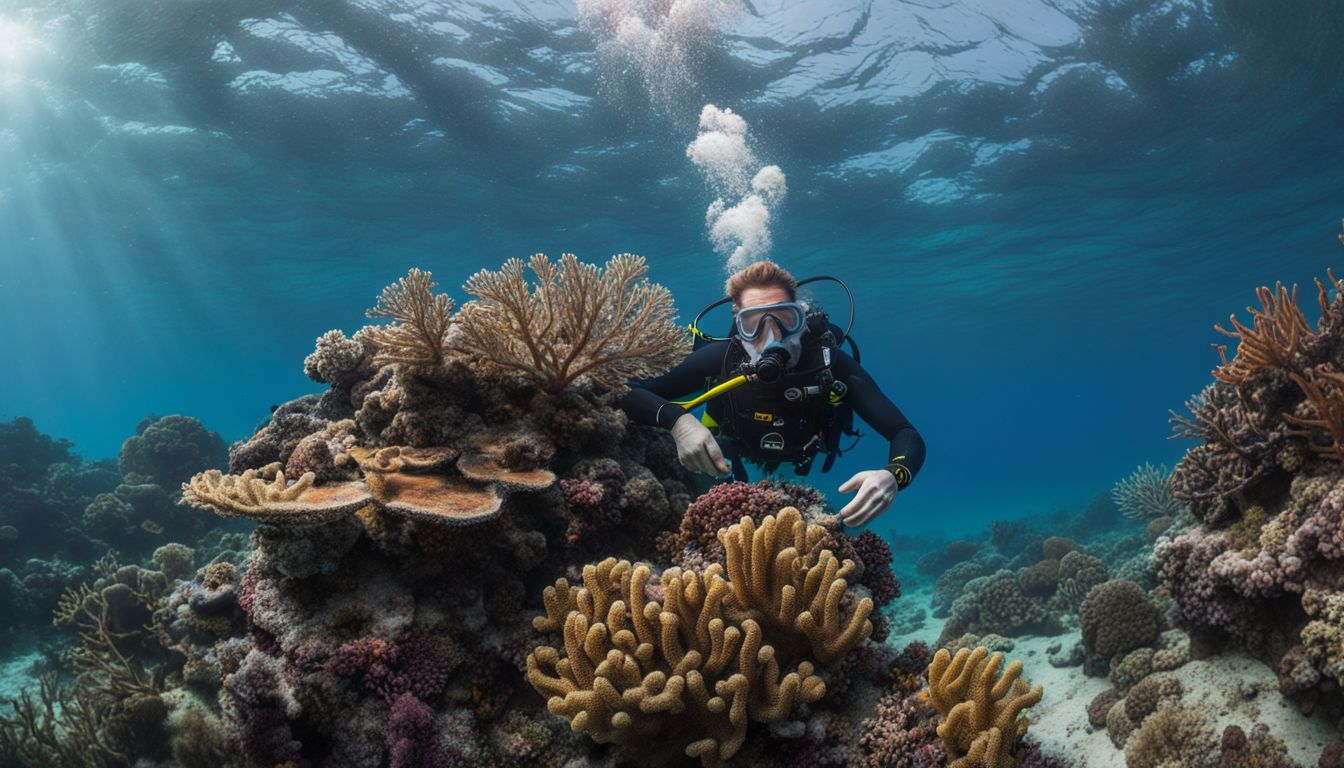
5 Most Common Regulator Issues with M...
Common regulator issues with mini tanks often include leaks at seals (affecting 25% of units annually), pressure fluctuations exceeding ±5 PSI during use, and clogged ...
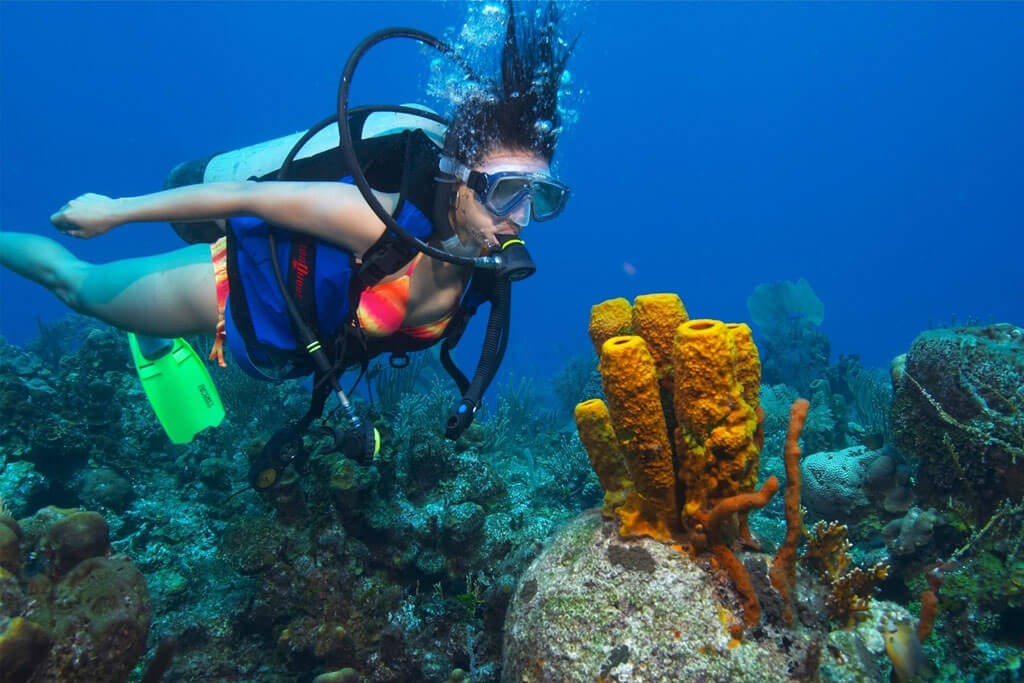
How to Solve Tank Moisture Issues: 5 ...
To tackle tank moisture, prioritize daily ventilation for 15 minutes to reduce humidity by ~30%, use 100g silica gel packs per 50L tank to absorb 20-30% ambient moistu...