
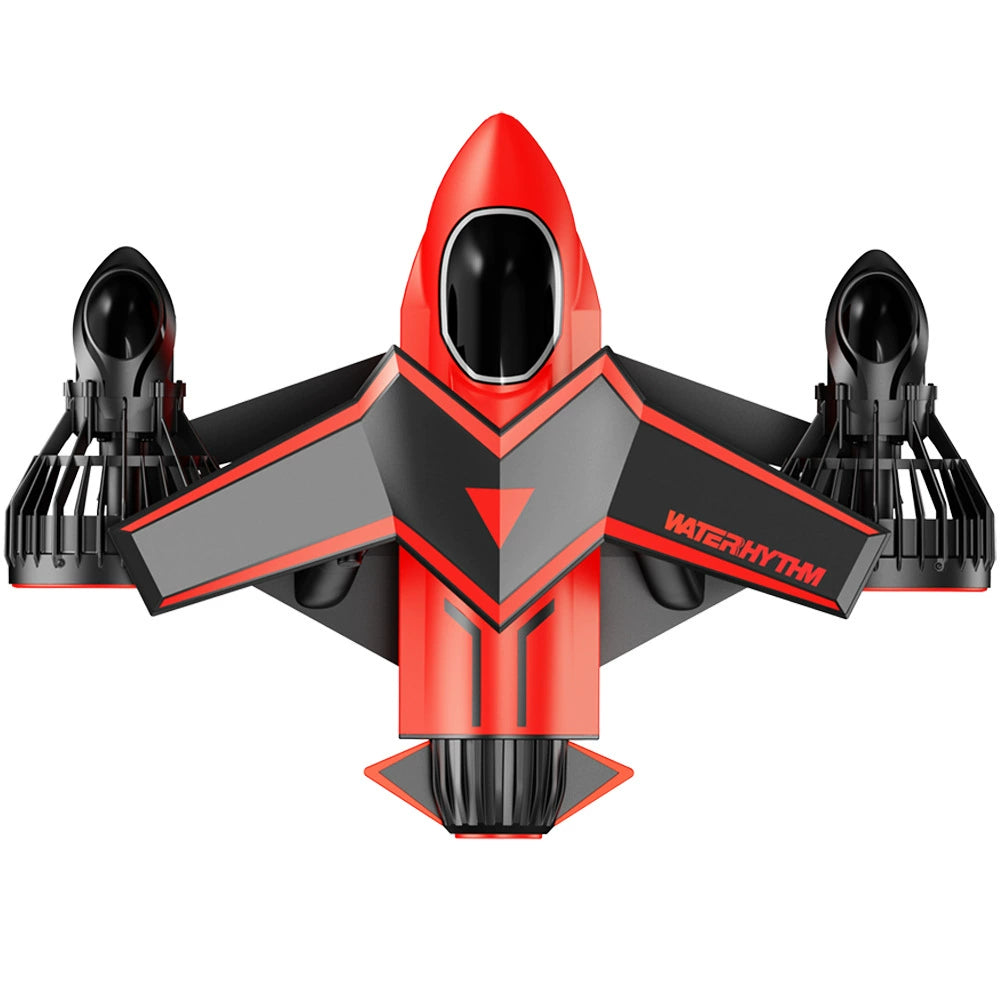

Why avoid car storage 5 temperature r...
5 temperature risks matter: Prolonged exposure above 35°C can fade interiors and cut battery life by 30%; below -10°C thickens oil, making starts harder. Daily swings ...
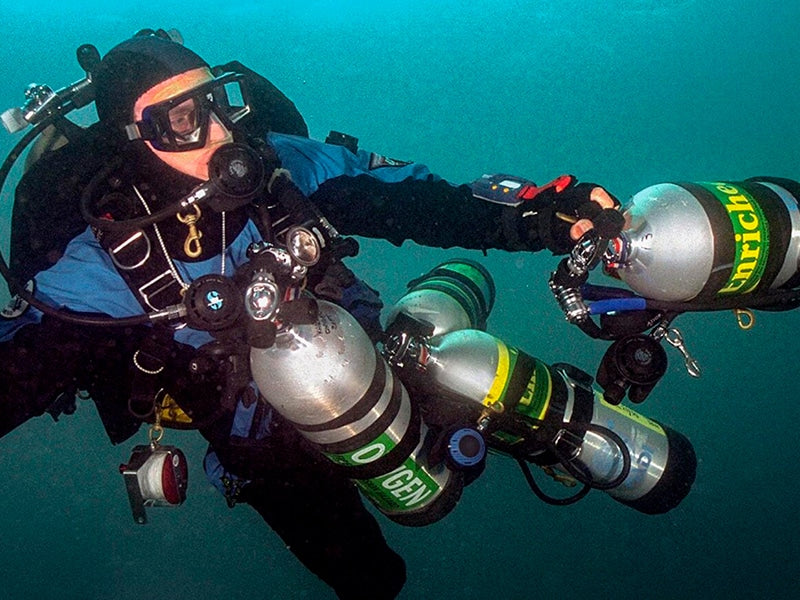
Tank Oxygen Testing Guide: Methods, S...
Analyzing tank oxygen content testing methods involves evaluating tools like electrochemical sensors (with ±0.1% precision) and paramagnetic analyzers; key steps inclu...

Why enriched air different 5 nitrogen...
Ordinary air typically holds 78% nitrogen and 21% oxygen (with 1% trace gases), whereas enriched air intentionally adjusts this ratio—often raising oxygen to 30-40% an...

Why oxygen toxic at depth 5 physiolog...
At 5 meters depth, water pressure rises to 1.5ATA (1 atmosphere + 0.5ATA from water), elevating inhaled oxygen partial pressure to 0.315ATA (0.21×1.5); prolonged expos...
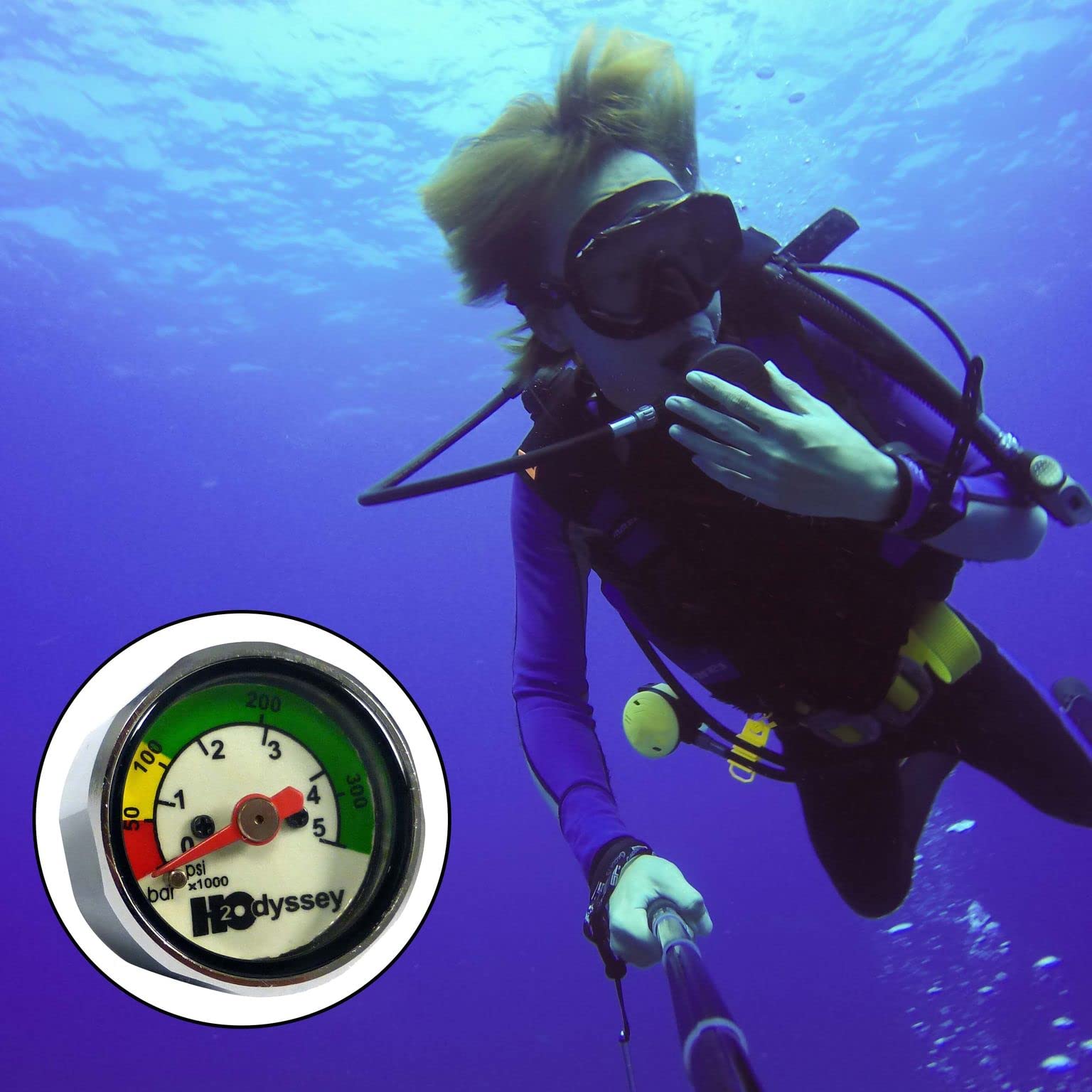
How to check mini tank pressure 5 gau...
To check a mini tank’s pressure, start by ensuring the gauge is calibrated weekly for accuracy; read the dial when the tank is at 20–25°C (room temp), as temps above/b...

How to ascend with mini tank 5 safety...
When ascending with a mini tank, execute these 5 safety stops: Hover at 5 meters for 3-5 minutes to release nitrogen gradually; check tank pressure remains above 50 ba...