
Storage Practices for Portable Scuba ...
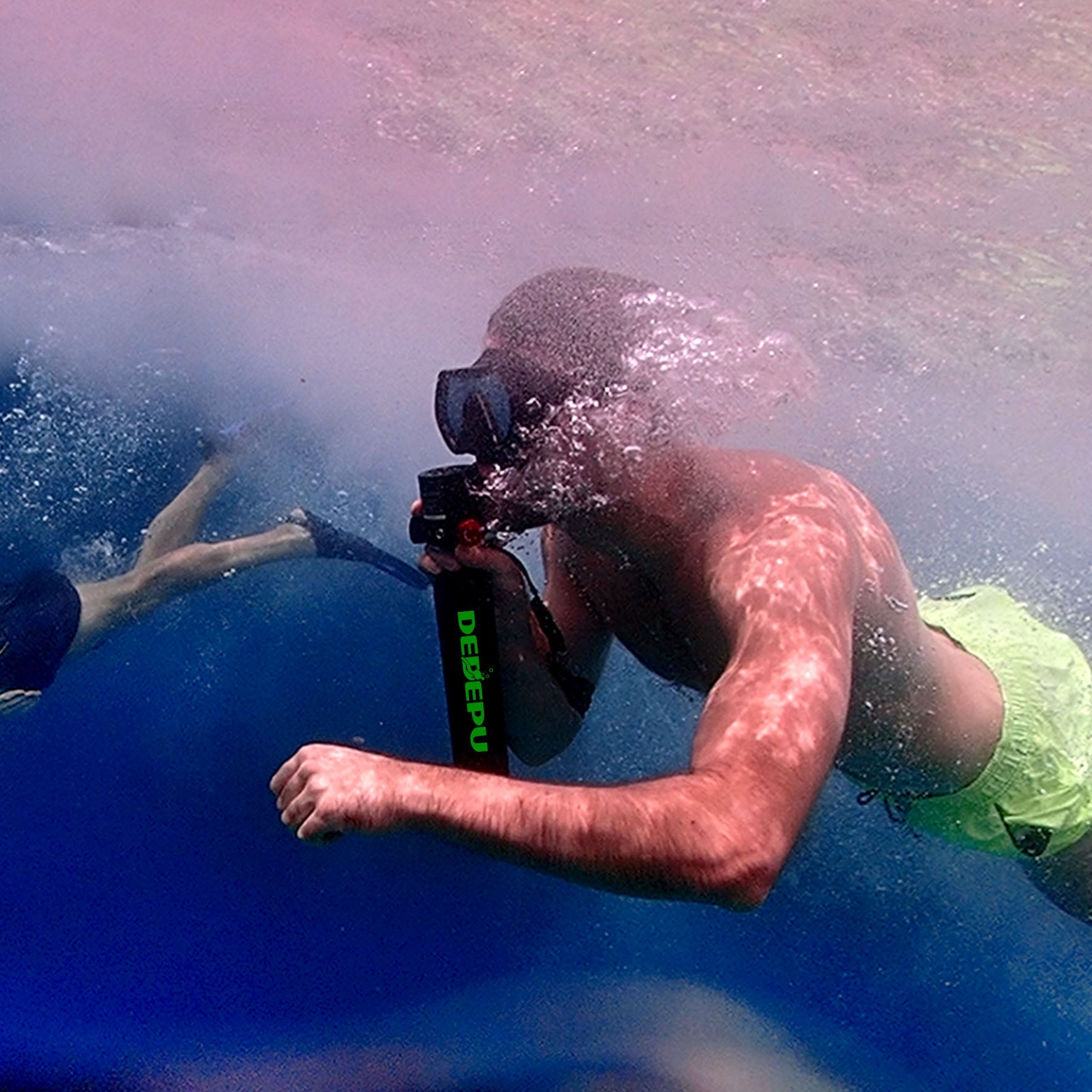
Portable scuba cylinders store breathing gas at very high pressure and should be handled with the same care as full-size scuba cylinders. Correct storage helps reduce ...
Low Visibility Diving with a Mini Tan...
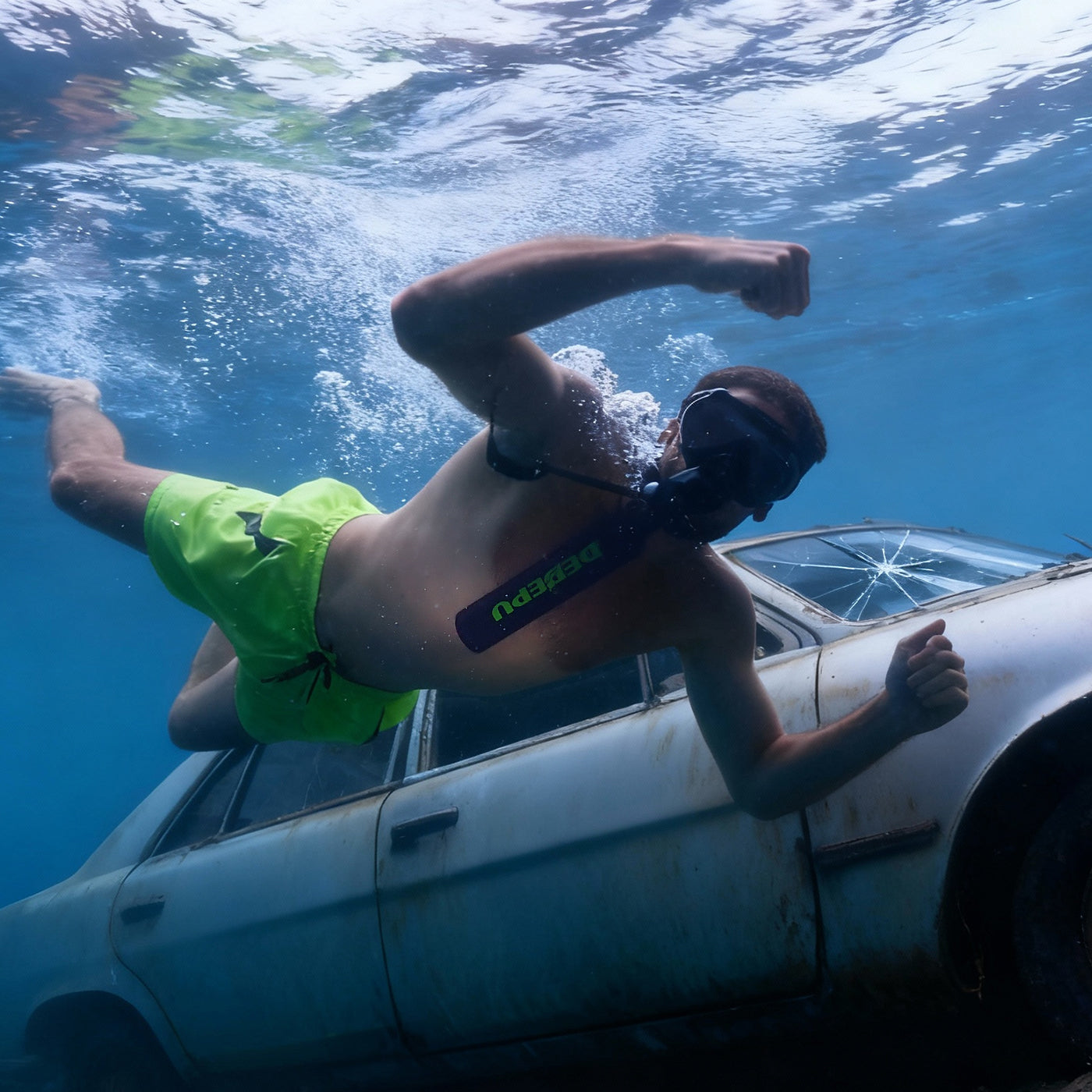
When underwater visibility falls to only a few meters, divers may lose visual contact with their buddies, miss the planned exit route, disturb sediment, misjudge depth...
Mini Scuba Tank Pressure Guide | PSI,...
Mini scuba tank pressure parameters are the foundation of safe diving. PSI and BAR are the two dominant pressure units in diving. Understanding their meanings, convers...
Upgrading from Snorkel to Mini Scuba ...
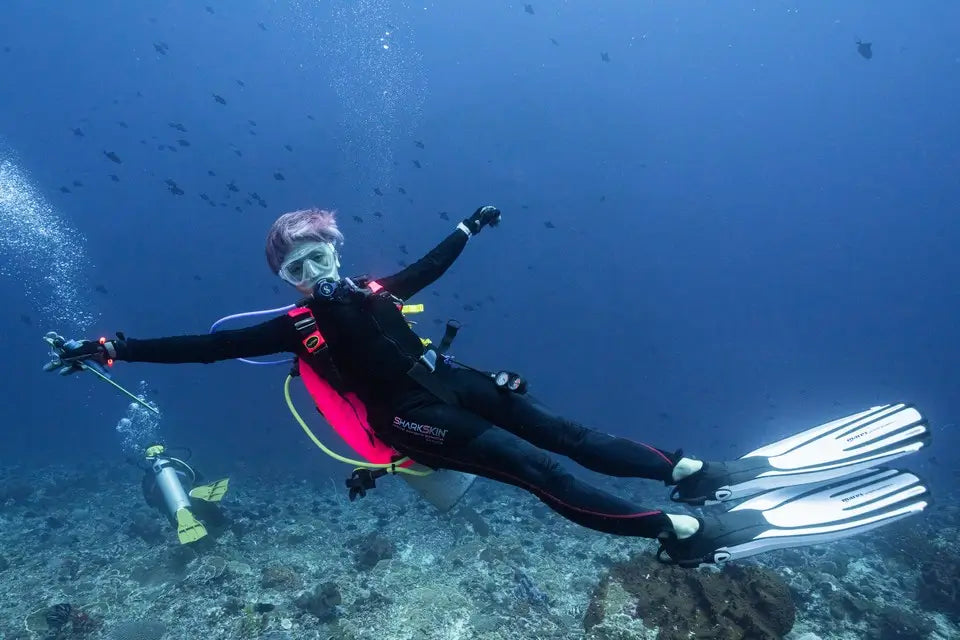
Mini scuba diving (also called underwater breathing apparatus or UBEA) extends underwater time from 30-60 seconds (breath-hold) to 3-10 minutes per cylinder fill, repr...
Using Portable Air in Shallow Water |...
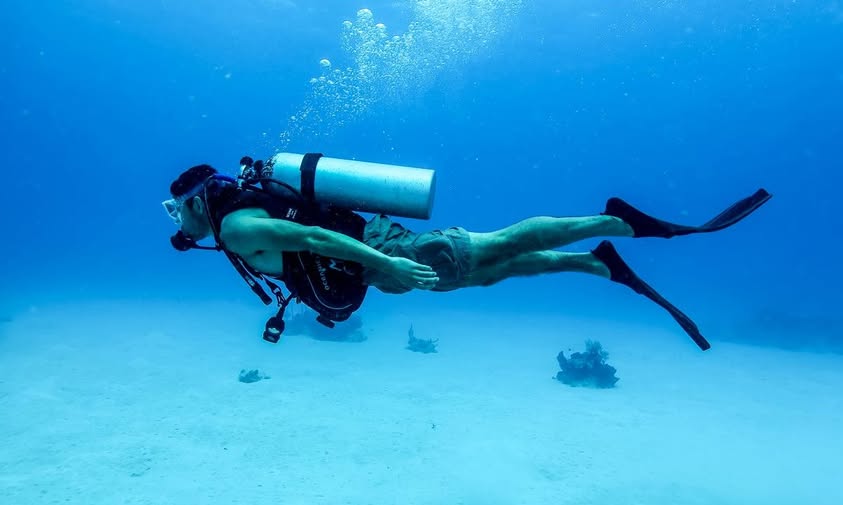
Using a 0.5-liter portable air tank in shallow water (under 3 meters) provides about 5 to 10 minutes of breathing time. To protect delicate reefs, maintain strict buoy...
Choosing Compact Diving Gear for Trav...
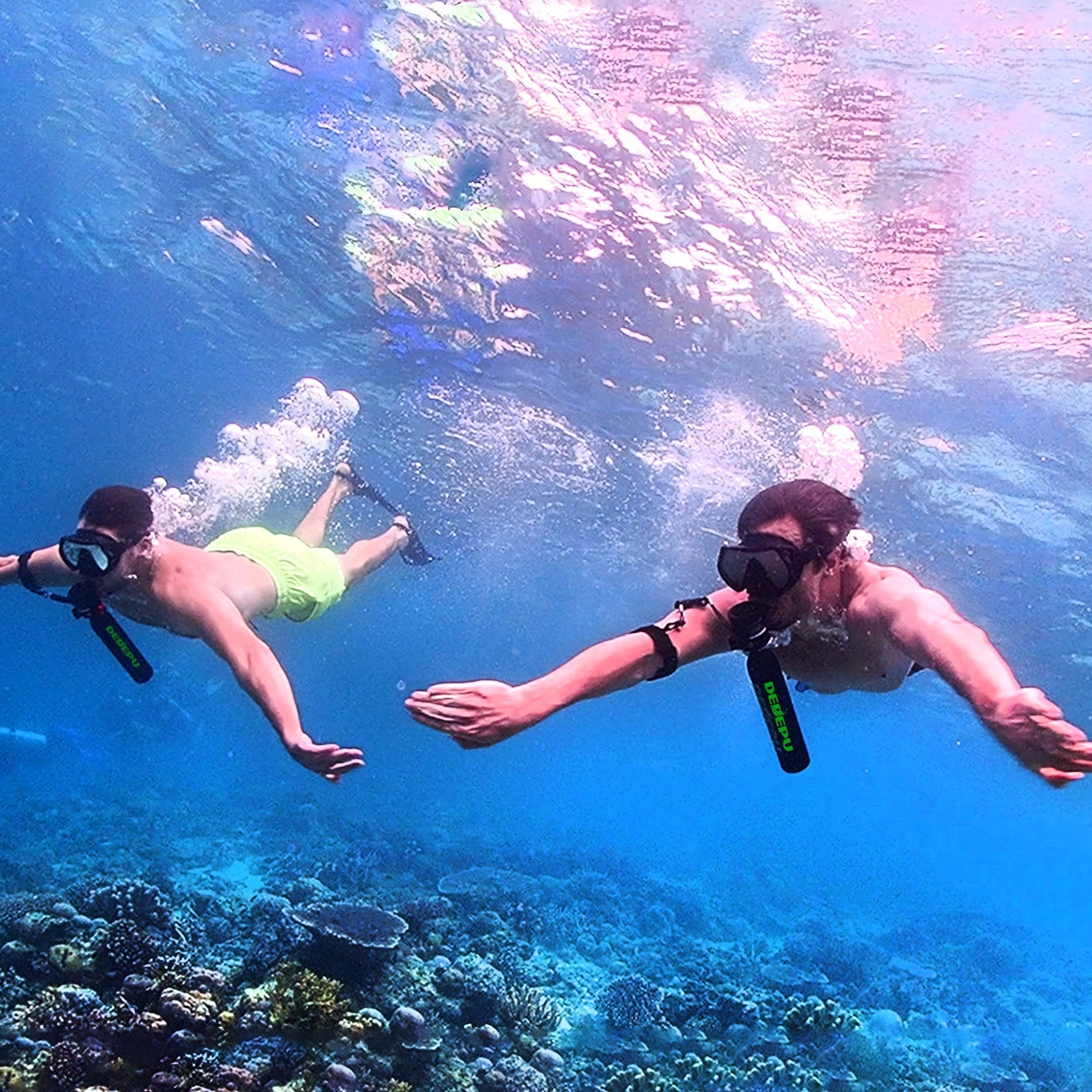
Prioritize a back-inflate travel BCD under 2.2 kg and a lightweight regulator under 1 kg. Choose shorter fins (under 55 cm) to easily fit standard carry-on limits. Wei...