
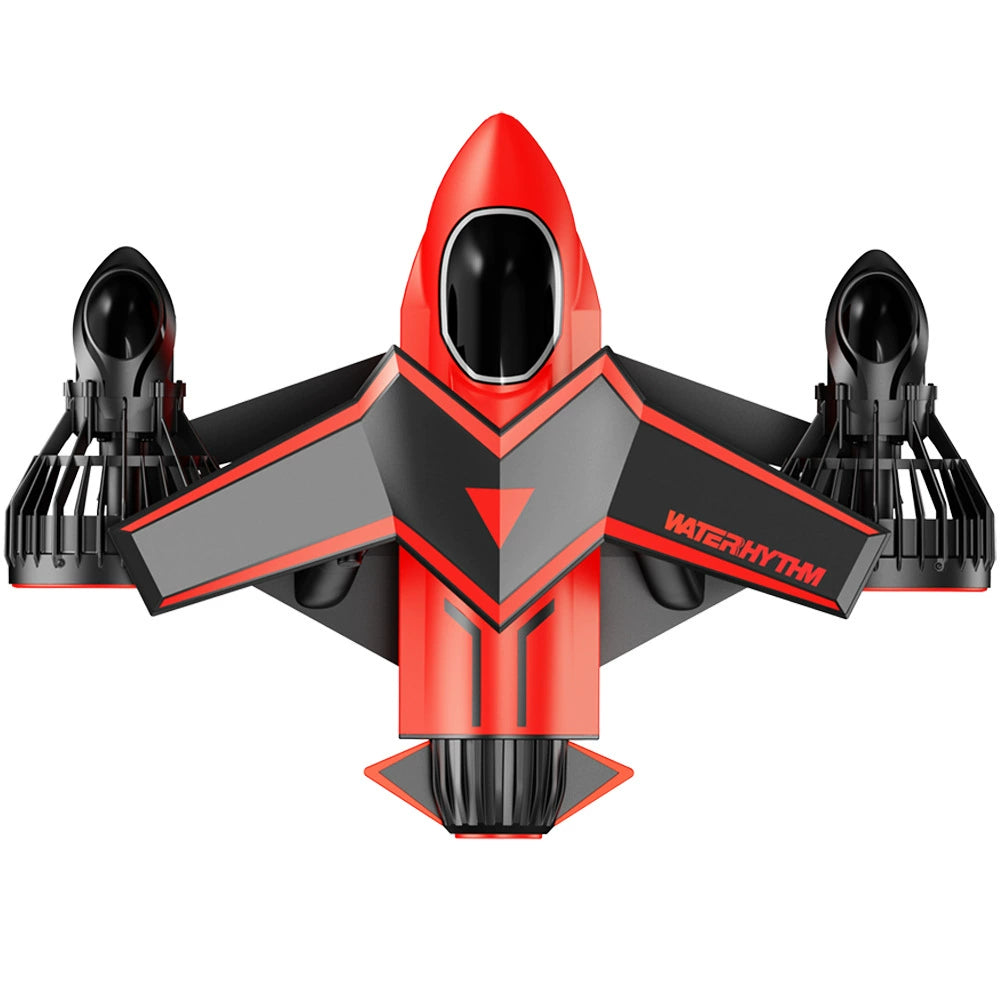
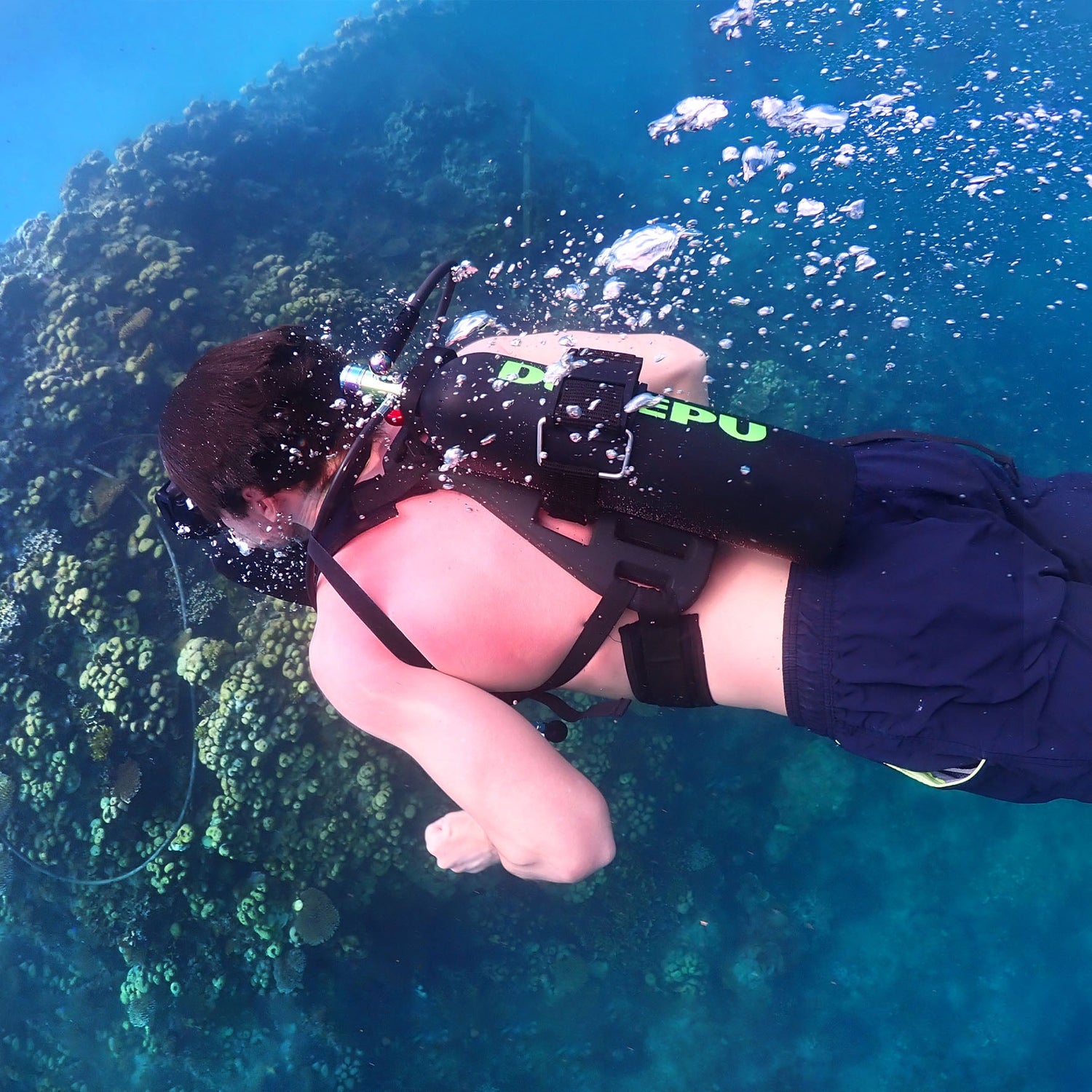
A mini scuba cylinder typically holds about 0.8–1L at 300 bar, provides roughly 6–10 minutes of breathing gas, and weighs around 2–3 kg. It is best suited as an emergency escape bottle or backup gas source for underwater work at depths of 10 meters or less.

Emergency
Life-Saving Time
Water aspiration is terrifying. A sudden rush of cold water against the throat can trigger vocal cord spasm within 5 to 10 seconds. Even a few drops entering the airway can make the body clamp the entire breathing passage shut by reflex. If a person is forced to hold their breath, blood oxygen saturation can plunge from 98% to below 85% in just 90 seconds. After 3 minutes without oxygen, brain cell damage becomes irreversible. Putting the mouthpiece of a backup cylinder into the mouth can interrupt that fatal countdown.
A 1L mini cylinder, roughly the size of a large thermos, can hold about 200 liters of air when filled to 200 bar. In an underwater entanglement or equipment failure, heart rate can spike past 140 beats per minute. In panic, a diver may consume as much as 45 liters of air per minute. At that rate, the cylinder lasts about 4.3 minutes. Even those four-plus minutes can be enough to pull a knife and saw through a discarded nylon rope strong enough to lift 50 kilograms.
At 15 meters underwater, ambient pressure is 2.5 times what it is at the surface. A proper ascent from that depth must not exceed 18 meters per minute, so the diver needs at least 1 minute to rise slowly. If there is no air and the diver bolts upward holding their breath, the air in the lungs can expand by a factor of 2.5, rupturing the alveoli and driving bubbles into the bloodstream. With a backup gas source in the mouth, the diver can keep calm, count the seconds, and ascend at a controlled pace.
When you get tangled in netting or rope underwater, it takes time to sort it out:
-
10 seconds to reach the line cutter strapped to your calf
-
15 seconds to locate 0.5 mm transparent fishing line underwater
-
40 seconds to saw through a 4 mm rope wrapped around a propeller
-
8 seconds to clear seawater that has leaked into the mask
Once a primary cylinder fails, gas can disappear at a frightening rate. If the high-pressure O-ring blows, a 12L tank at 200 bar can empty completely in 90 seconds. If a regulator jams into free-flow, it can dump 1,500 liters of air per minute. The water turns white with bubbles, and you cannot even see your fingers 30 centimeters away. If a mini cylinder is clipped to the chest, it can be pulled free and put into the mouth in a single second, instantly restoring breathing.
Even when people on the boat notice something is wrong from the bubbles on the surface, it still takes time to react. A rescuer has to put on fins, enter the water, and work their way down to 10 meters, which can easily take 50 seconds. Dragging an unconscious diver back to the surface at a precise ascent rate of 0.3 meters per second is never guaranteed. If the diver is still conscious and breathing steadily from 200 liters of backup gas, the rescue boat and crew have time to assess the current and respond properly.
In a downcurrent, the water can drag you downward at 0.5 meters per second. Kick as hard as you can against it, and within 2 minutes your thigh and calf muscles will be burning and close to cramping. Even with maximum effort, your legs may generate no more than 15 kilograms of thrust. A better option is to stop fighting, press the inflate button, and add 15 liters of air to the BCD. While you remain suspended underwater, the mini cylinder can keep feeding your lungs.
Breathing properly at the surface becomes difficult once the sea starts to build:
-
Even moderate swell can throw up waves 0.5 to 1 meter high
-
The interval between wave crests may be only 4 to 6 seconds
-
Breaking foam is roughly half water and half bubbles, with a density of about 0.7 kg per liter
-
Even a fully inflated vest provides only about 12 kilograms of lift
While waiting on the surface for rescue, waves keep slamming into the face. If you are breathing through a simple snorkel-like tube, a mouthful of foam and seawater can go straight into the throat. A mini cylinder mouthpiece uses a silicone exhaust valve that opens with only 0.2 bar of exhalation pressure. Even if a wave drives you underwater, what reaches your lungs is still dry air. It can take a boat 2 to 4 minutes just to turn around and come back against the swell.
Water at 15°C strips heat from the body 25 times faster than air. Leave your chin in that water for 5 minutes and your teeth will chatter uncontrollably. Once the facial muscles stiffen with cold, it becomes hard to hold onto a rigid standard snorkel. A backup cylinder fitted with a soft, pacifier-like medical-grade silicone mouthpiece has a friction coefficient of 0.8, making it much less likely to slip. If you place it in your mouth and bite down before your face goes numb, you avoid having it drop into the water when your jaw muscles give way.
The wristwatch-sized metal pressure gauge on the cylinder reads pressure through a curved internal tube. The section from 150 to 200 bar is painted green to mark the safe zone. Once the needle falls below 50 bar into the red, less than 50 liters of gas remain. At 30 meters, with 4 atmospheres of surrounding pressure, every breath uses more than four times as much gas as it does at the surface. You have to watch the gauge and calculate your time carefully so the cylinder does not run dry before you get out.
As soon as the water turns even slightly murky, it becomes easy to lose your dive buddy:
-
Striking a tank with a metal rod sends a distress signal through the water at 1,500 meters per second
-
It still takes 5 to 8 seconds for someone to hear it, turn, and locate you
-
Swimming 10 meters toward you against a 0.2 m/s current takes about 35 seconds
-
Removing their own regulator and placing it in your mouth takes another 10 seconds
If your partner is too far away, they simply will not reach you in time. The 1.5 liters of residual air left in your lungs will not last long enough. A backup cylinder clipped to the chest sits only about 15 centimeters below the chin. One hand can grab it, bring it to the mouth, and press the purge button to blow water clear in about 2 seconds. Breathing from your own bottle eliminates the need to wait helplessly for someone else to reach you.
Handling Sudden Emergencies
A 5-meter wave slams into the side of a 12-meter yacht. The hull heels past 60 degrees and fully capsizes within 5 seconds. Three passengers are trapped inside the overturned cabin. Seawater floods overhead, leaving only a 150-liter air pocket at the highest point inside the sealed compartment.
Three adults crammed into that inverted space will consume the oxygen in 150 liters of trapped air in under 12 minutes. Carbon dioxide concentration quickly approaches 4%, and dizziness and nausea set in. To escape, they must hold their breath, dive into 2 meters of water, and feel their way through a blocked cabin doorway in the dark.
The 0.5L aluminum cylinder kept beside the helm weighs about 1.2 kg. Grab it, put the mouthpiece in, and press the purge button on the silicone mouthpiece. With a sharp hiss, high-pressure gas blows all the water out of the hose instantly. That one cylinder provides roughly 50 to 80 solid breaths, buying trapped passengers precious extra time.
With the mouthpiece in place, the trapped person can submerge and look for the way out:
-
Push aside a 15 kg leather seat cushion blocking the hatch
-
Untangle a 2-meter coiled radio cord wrapped around the ankle in the dark
-
Swim 3.5 meters sideways along the overturned hull to clear the boat
-
Surface and pull the inflation cord on the life jacket’s 16 g CO2 cylinder
A yacht traveling at 15 knots strikes a 40-meter abandoned fishing net. The 40 cm brass propeller jams solid within 3 seconds, and the diesel engine dies with a heavy thud. The vessel loses all power and begins drifting in a 2-knot current. Clearing the propeller underwater is brutally demanding work.
At a water temperature of just 18°C, a healthy 30-year-old adult can barely hold their breath for 45 seconds while working. At 1.5 meters under the hull, stinging seawater makes it hard to see even the knot in a line half a meter away. Holding a line cutter, a breath-hold diver can cut only a few strands per descent before having to rush back up for air.
With a mini cylinder filled to 200 bar, the diver can stay down continuously for about 3 minutes without lifting their head. In a 1 m/s current, the thigh muscles must produce about 5 kilograms of force just to hold position. Both hands remain free to grip the knife, making it possible to cut through a 20 mm nylon rope in about 60 seconds.
| Underwater clearing method | Time on the bottom | Visual continuity | Cutting efficiency (20 mm rope) | Physical strain |
|---|---|---|---|---|
| Breath-hold diving only | 30–45 seconds | Frequent surfacing breaks visual focus | 3–5 round trips to cut one line | Heavy gasping, heart rate above 130 |
| With a mini cylinder | 3–5 minutes | Continuous focus on the target | Completed in one pass within 60 seconds | Steady breathing, heart rate around 90 |
A set of stainless-steel boat keys weighing 150 grams slips into the sea. The depth sounder reads 8 meters. At that depth, pressure is 1.8 atmospheres, and without a mask you cannot open your eyes underwater. Anyone untrained in equalization will feel needle-sharp ear pain past 3 meters.
Drop in wearing a 0.5L bailout cylinder and descend at 1 meter per second. Pinch your nose and equalize on the way down; it takes about 15 seconds to reach the bottom. The gauge on your wrist shows pressure has fallen from 200 bar to 180 bar. Push aside a 10 cm-thick layer of seagrass and spend 40 seconds retrieving the reflected glint of the keys.
The bow scrapes a submerged rock at 5 knots, opening a fiberglass crack 5 cm long and 1 cm wide. Nearly 20 liters of seawater per minute begin pouring in. The automatic bilge pump screams as it tries to discharge 50 liters per minute. Someone has to dive under the hull and plug the leak from the outside.
Take a 250 g tube of underwater repair putty. With the mini cylinder in your mouth, descend to the damaged spot 1.2 meters below the hull. It takes 45 seconds underwater to scrape away the sharp fiberglass splinters around the crack. Press the putty firmly into the opening and smooth it over; the entire repair takes 2.5 minutes. Back at the surface, the cylinder gauge still reads 80 bar.
While at anchor offshore, a swimmer is caught in a rip current. A current moving at 2.5 meters per second drags them 50 meters away in just 20 seconds. A crew member races out on a jet ski at 30 km/h to make the rescue. A 0.5L aluminum bottle is thrown to the exhausted swimmer. Once they bite down on the mouthpiece charged to 200 PSI, they immediately stop swallowing bitter seawater.
The bottom of the hull is covered in barnacles, with more than 200 hard shells attached across a 3-meter stretch of the waterline. Standing at the surface with a long-handled scraper gives poor leverage. Put on a mask, take the mini cylinder, and submerge fully. Press the body against the hull and use a steel scraper flat against the surface. After 5 continuous minutes of work, a large clean patch of bottom paint is exposed.
Redundant Safety
Aircraft design follows a hard rule: if the entire system depends on a single piece of equipment, one failure can leave no room for recovery. Underwater, the environment is even less forgiving. A diver may carry a 12L steel cylinder weighing 18 kg and think the gas supply is more than sufficient. Yet all 200 bar of pressure depends on a single rubber diaphragm only 2 mm thick. One grain of sand just 0.1 mm across lodged in the wrong place can trigger a catastrophic free-flow.
Any backup intended to save a life must be physically independent of the primary system. The yellow octopus regulator clipped into the main first stage still draws compressed gas from the same cylinder. If the O-ring at the connection fails, no matter how many spare second stages are hanging from your gear, not one of them will deliver oxygen. A 0.5L mini cylinder strapped to the chest has its own hose, valve, and gas chamber—completely separate from the main system.
A primary gas hose rupture happens fast:
-
A 12L cylinder at 200 bar suddenly bursts at the connection
-
All 2,400 liters of gas are gone in just 90 seconds
-
The jetting gas produces a deafening 120 dB roar
-
Rapid expansion pulls heat from the water, dropping local temperature by 3°C
In 90 seconds, there is no time to wave down a buddy 15 meters away. Reach down, unclip the mini cylinder from the D-ring, and put it in your mouth. Inside is an independent micro-piston system. Press the purge button, bite down on the silicone mouthpiece, and the separately sealed 100 liters of reserve air immediately refill the lungs. This small independent unit, weighing only 1.2 kg, forcibly interrupts the suffocation sequence.
In an open-ocean current exceeding 2 meters per second, divers can be swept apart. At 20 meters, stirred-up silt may reduce visibility to under 3 meters. A diver carrying two completely separate breathing systems feels far more secure than one relying on a single tank. Heart rate settles from 130 back to 85 beats per minute, and gas consumption drops from 40 liters per minute to 20. That instantly doubles the time available to think clearly and respond.
The whole point is complete separation between the two systems:
-
The main tank uses a standard YOKE brass connection rated for 3000 PSI
-
The mini cylinder uses high-strength aviation-grade aluminum to withstand the same pressure
-
The two systems use internal silicone seals from entirely different production batches
-
The backup bottle is fixed with Velcro about 15 cm directly below the chin
Bringing two completely unrelated gas systems into the water makes simultaneous failure extremely unlikely. The chance of a major mechanical failure in the main valve may be about one in ten thousand. The chance of the 0.5L backup cylinder suffering the same kind of failure is also about one in ten thousand. The chance of both independent systems failing in the same second falls to roughly one in a hundred million. For comparison, the odds of winning a jackpot lottery are around one in seventeen million.
On a rigid inflatable boat in Force 7 winds, 3-meter whitecaps break across the sea. The boat flips and the passengers are thrown into the water. Wearing a life jacket that provides 150 newtons of buoyancy, a person fights toward the surface while waves keep breaking over their face. Every attempt to breathe brings in half seawater, half foam.
The captain has already secured three 0.5L spare aluminum cylinders under the seat. Once in the water, the victim grabs one, and the compressed gas inside provides 5 to 8 minutes of reliable breathing. No matter how hard the waves hit, no matter how much saltwater has already been swallowed, even if the current drags the person 2 or 3 meters below the surface, biting on an independent gas source prevents aspiration and loss of consciousness.
Waiting for a helicopter rescue basket takes time:
-
The pilot may need 3 minutes to hold position in 25-knot gusts
-
The winch operator takes 45 seconds to lower the weighted cable
-
The person in the water needs about 20 seconds to swim to the basket and clip in
-
The winch motor lifts them at about 0.8 meters per second
During those long minutes, a wave may submerge the victim for 3 seconds at a time before they fight back up for one desperate breath. An ordinary hollow snorkel would already be full of seawater. A chest-mounted micro-cylinder does not care about wave height, wind speed, or whether the life jacket is leaking. As long as the diver bites down on the silicone mouthpiece, less than 3 centimeters across, the lungs receive dry air. That independent second system provides the confidence needed to withstand severe sea conditions.
Wreck penetration allows no carelessness. At 25 meters, an 80-meter World War II wreck lies half-buried in silt. In the narrowest part of the corridor, the passage is only 60 cm wide. A diver squeezing through with a heavy primary cylinder can easily scrape rusted steel edges. One sharp shard can slice a 3 cm cut into the high-pressure hose, dumping the main gas supply in seconds.
The backup has to be within immediate reach. A micro-cylinder clipped to a heavy-duty nylon mount sits less than 20 cm from the hand. The metal clip withstands a 200 kg load without deforming, yet can be pulled free in 0.5 seconds. A 4 mm one-way purge opening sits in front of the mouthpiece. One firm press with the thumb clears any water that got inside, using less than 1 liter of compressed gas.
On tropical reef trips, most coral viewing happens at depths of 4 to 6 meters. A snorkeler in long fins floats on the surface breathing through a plastic tube. One breaking wave half a meter high washes directly into the snorkel. Instantly, about 30 mL of seawater fills the tube. In panic, the person inhales sharply, driving that saltwater deep into the airway.
Coughing follows, then spasm, then loss of balance and sinking. Even at a depth of only 5 meters, holding the breath can lead to a serious accident. A 1.2 kg aluminum mini cylinder filled to 200 bar sits clipped to the belt. Pull it free, put it in the mouth, and press the silicone valve to purge out the water. One deep breath of completely dry compressed air enters the lungs, and the throat spasm immediately begins to ease. That is exactly where an independent backup system stops a small aspiration event from becoming a major emergency.
Deep
Depth in Physical Terms
When sunlight enters seawater with a refractive index of 1.33, red light fades quickly. By 3 meters, red wavelengths around 650 nm are already gone, leaving the underwater world washed in blue-green. Wearing a 2.5 kg mini cylinder holding 0.5L and using 60 cm carbon-fiber fins, a diver descends. The eardrums feel an extra 0.3 atmospheres of inward pressure. Pinching the soft silicone nose section of the mask and gently blowing produces a faint pop in the ears.
At 5 meters over sandy bottom, each cubic meter of water contains tens of thousands of tiny suspended planktonic particles. These drift with the current at about 0.2 m/s, yet visibility still reaches 15 to 20 meters. The brass regulator head reduces the 200 bar pressure in the cylinder to an intermediate pressure 9.5 bar above ambient. One breath through the silicone hose fills a pair of lungs with a total volume of roughly 6 liters.
A typical adult at the surface consumes about 15 liters of air per minute. At 5 meters, compressed by 1.5 bar of surrounding water pressure, that rises to about 22.5 liters per minute. A 0.5L cylinder contains 100 liters of air at surface pressure; after reserving a 20 bar safety margin, the remaining supply lasts around 3.5 minutes. Looking toward a large rock, you can see a cleaning shrimp less than 5 cm long flicking its white antennae twice a second.
-
Water temperature is 27.5°C, and the small fleshy tentacles on brain coral are fully extended
-
A clownfish swims 20 cm away from its anemone in search of food
-
Bubbles exhaled from the mouth rise 2 meters and expand in volume by 20%
-
A 3 mm neoprene wetsuit is compressed down to 2.2 mm
-
Photos look too blue, so white balance is shifted 3200K toward red
Descending along a rocky slope to 8 meters, the water temperature drops by about 1.2°C. Bare wrists feel the chill immediately. The gauge strapped to the left wrist shows the needle retreating slowly to 120 bar. Breathing now takes slightly more effort; the muscles in the chest must generate about 1.5 inches of water-column pressure to open the valve.
A parrotfish 60 cm long bites chunks from dead white coral. The sound carries like metal striking stone, racing through seawater with a density of 1,025 kg/m³ at 1,500 meters per second. Hovering 0.5 meters above the seabed, the diver inhales about 2.5 liters of gas. That expansion in the chest provides just enough buoyancy to remain suspended, and the weight of the mini cylinder neatly offsets part of the seawater’s lift.
-
The 4.5 mm aluminum shell of the cylinder feels cool to the touch
-
The mask contains about 200 mL of air and must be equalized by exhaling through the nose
-
As depth increases, nitrogen pressure dissolved in the blood rises as well
-
Each kick of the fins produces roughly 25 newtons of thrust
-
Because of refraction, underwater objects appear about 25% closer than they really are
At 10 meters, ambient pressure reaches a full 2 atmospheres. Air now disappears from the cylinder quickly—about 30 liters per minute, double the rate at the surface. Out of the corner of the eye, the diver sees the needle approaching the 50 bar red zone. Ventilation becomes faster, and exhaled gas now contains about 4.5% carbon dioxide.
The diver begins a controlled return toward the brighter water above. The ascent is kept below 0.3 meters per second. Fine bubbles escape from the valve beside the mouth and drift upward past the cheeks at about 0.5 m/s. Back at 3 meters, the air trapped in the lungs expands as the surrounding pressure eases. The extra volume presses at the lips and slips out through a slightly open mouth as a trail of 5 mm bubbles.
-
The 2 liters of air remaining in the suit expand, adding 0.6 kg of upward lift
-
For every meter ascended, ambient pressure drops by exactly 0.1 atmosphere
-
The dive computer updates current pressure readings twice per second
-
The diving reflex slows the heart rate from 95 to 72 beats per minute
With only 1.2 meters left to the surface, the sunlight shining down feels almost warm. Small waves about 0.3 meters high rock the diver at roughly 0.5 Hz. The spring in the pressure gauge continues to relax, and the needle settles at 35 bar. A quick press of the inflate button adds 3.5 liters of gas; the upper body rises out of the water, and the diver fills the lungs with fresh air containing 21% oxygen.
Depth in Safety Terms
At 18 meters beside the wreck of a broken wooden boat, ambient pressure has reached 2.8 atmospheres absolute. The main aluminum cylinder on the back weighs 14.3 kg and holds 11.1 liters, but the gauge shows only 70 bar remaining. A faint hissing leak can be heard through the bones around the ears. The surrounding water is 24°C, yet sweat still beads across the forehead beneath the silicone mask.
The black O-ring under the main gauge has been compressed too long and suddenly splits along a 0.5 mm crack. The 200 bar gas inside begins venting violently, escaping at nearly 3 liters per second. A quick mental calculation tells the diver there are no more than 40 seconds before the main gauge drops to zero.
The left hand reflexively reaches for the small backup bottle clipped to the metal ring on the right side of the belt. It is a compact aluminum cylinder 29 cm long and 6 cm across, holding 0.5L. The diver tears away the plastic cap, puts the yellow-and-green mouthpiece into the mouth, and exhales hard. With a soft pop, the purge opening expels the 15 mL of seawater that has flowed backward into the system.
When a diver has been suppressing the urge to breathe too long at depth, the chest begins to spasm painfully. The moment that small plastic mouthpiece with its luminous dot is bitten down on, cool dry air at 15°C rushes into the alveoli, and the panic begins to ease.
The diver takes one deep breath. Compressed gas surges through a 90 cm black rubber hose into the throat. As the gas expands, it absorbs heat from its surroundings, and the inhaled air carries a faint industrial silicone taste. That short 0.5L cylinder becomes a working breathing line at 18 meters, reopening the collapsed air spaces in the lungs, and the heart rate, which had jumped to 115, gradually drops back to 85.
At 2.8 atmospheres, a diver in an emergency can easily consume more than 35 liters of air per minute. This 0.5L bottle, filled to 200 bar, contains only 100 liters of breathing gas at surface pressure. Once depth is factored in, it provides no more than about 1.5 minutes of rapid emergency breathing.
-
The diver keeps staring at the faint blue glow of the computer on the left wrist
-
The fins begin a steady rhythm, generating roughly 15 newtons of upward thrust
-
The urge to bolt for the surface is suppressed, and ascent is held to 18 meters per minute
-
The middle finger of the left hand stays on the exhaust control, dumping the 1.2 liters of expanding air inside the BCD
After roughly 30 seconds of ascent, the depth on the computer changes from 18.2 meters to 10.5 meters. Ambient pressure has now dropped to 2 atmospheres, and inhalation takes noticeably less effort. Gas consumption falls gradually to around 25 liters per minute. Exhaled bubbles grow larger as they rise, rolling upward along both sides of the mask.
The residual gas in the lungs nearly doubles in volume as pressure decreases. The lips must stay slightly parted in a relaxed round shape while the diver makes a quiet “ah” sound, letting the expanding air escape continuously. A glance at the tiny coin-sized gauge on the mini cylinder shows the black needle has already fallen to 110 bar.
Surrounded by nothing but shifting blue water and with no rock or structure nearby to judge orientation, it becomes easy to lose all sense of up and down. The diver can only fix their eyes on the 45 mm electronic display at the wrist and watch the numbers climb millimeter by millimeter.
At last, the diver reaches the 5-meter safety stop zone. Ambient pressure is now a steady 1.5 atmospheres. Standard procedure requires a full 3-minute stop here to allow excess dissolved nitrogen to leave the bloodstream gradually. The 0.5L cylinder still holds about 65 bar of compressed air.
-
The diver stabilizes the torso and holds a flat horizontal trim, limiting vertical movement to within 0.5 meters
-
Inhalation is deliberately slowed, taking in only 1.5 liters at a time—less than half normal lung capacity
-
Heart rate settles fully at 72 beats per minute, and gas consumption drops to a minimum of 16 liters per minute
-
The countdown on the right side of the display begins at 180 seconds and ticks downward one second at a time with a faint electronic hum
Those 3 minutes feel especially long. The right thumb rests on the red inflate button, ready at any moment to correct the tiny 0.2 kg buoyancy shift caused by the air in the lungs and bladder. The aluminum body of the mini cylinder feels icy to the touch, about 4°C colder than the surrounding 26°C seawater.
The timer finally reaches 00:00, and the computer emits two sharp beeps. The diver glances sideways at the gauge and sees the black needle resting in the final red zone at 20 bar. That remaining reserve is just enough for a few more kicks through the last 5 meters of water overhead.
Depth in Understanding
Sitting on the fiberglass edge of a boat 1.5 meters above the sea, holding a small aluminum cylinder filled to 200 bar, the shell feels warm from the sun at 32°C. Even if the plan is only to drop to 3 meters and look at fish near a rocky outcrop, the rules must still be run through in your head before entering the water. One cubic meter of seawater weighs 1,025 kilograms, and underwater physics never negotiates.
Many people assume lying face-down over a 2-meter reef flat in 60 cm fins is as casual as looking at fish through a plastic mask at the surface. But the gas in the lungs is compressed gas. At just 3 meters, the water is already pressing on the body with 1.3 atmospheres of force.
An adult taking a full breath can hold about 6 liters of air in the lungs. If those 6 liters are inhaled at 3 meters and then the diver panics, clamps the mouth shut, and rushes upward, the reduction in pressure makes that air expand immediately.
The walls of the alveoli are as delicate as soaked tissue paper, only about 0.2 mm thick. An outward pressure difference of just 50 mmHg can tear the engorged lung tissue apart. Those 6 liters expand by nearly 30% over a 3-meter ascent, reaching roughly 7.8 liters.
-
Escaping gas in the chest can compress the heart within 5 seconds
-
Bubbles entering the bloodstream can reach the brain in 20 seconds
-
Even standing up from 1.8 meters in a pool while holding your breath can go badly wrong
-
Before boarding, every diver should sign a safety form listing 15 separate hazards
As the body descends, the ears are the first structures to suffer from pressure. After only 1.2 meters of descent, the extra 0.12 atmosphere outside can push the delicate eardrum inward by roughly 2 mm. A dull deep pain appears immediately behind the ears.
Two fingers of the right hand press firmly on the soft silicone nose pocket of the mask. With the lips sealed, the diver blows gently through the nose for about half a second. The muscles around the throat contract and force open the normally closed Eustachian tubes to a slit about 1.5 mm wide.
Air at surface pressure passes through that tiny opening into the middle ear. A soft pop is heard, and the pressure on both sides of the eardrum equalizes instantly. If the diver has a cold or nasal congestion, even squeezing the nose and blowing with 5 newtons of force may do nothing because the swollen tissue completely blocks the passage.
-
For every additional meter of descent, the diver should equalize again
-
Swallowing a few times on the boat beforehand can pre-stretch the muscles of the soft palate
-
If equalization still hurts after three attempts, the diver must ascend 0.5 meters immediately
-
Shifting the jaw side to side can help open the ear passages
Breathing compressed air also means accounting for the nitrogen dissolving into the body. Air is 78% nitrogen, and under pressure that gas quietly enters blood and muscle tissue. After 20 minutes at 5 meters, the body can retain about 0.5 liters of microscopic nitrogen bubbles.
Handing a 2.5 kg metal cylinder to a beginner whose only experience is surface swimming requires close supervision. An instructor will usually spend at least 15 minutes watching every movement on shore. Pressing the black purge button near the mouth releases a sharp hiss of high-pressure gas approaching 85 dB—startling for anyone unfamiliar with it.
Breathing compressed gas underwater follows completely different rules from breathing on land. The diver has to consciously expand the abdomen and spend 3 full seconds drawing in the slightly rubbery air. Then the lips narrow slightly, and the exhalation is stretched out over 4 seconds.
-
At no point underwater may the diver hold their breath
-
Exhalation should be long and continuous, like blowing across a cup of tea that is still too hot to drink
-
The moment the gauge needle touches the 50 bar red zone, the diver must turn back
-
If the plastic mouthpiece slips from the teeth, the diver must immediately make an “ah” sound while exhaling
-
Ascent speed must never exceed the speed of those 5 mm bubbles rising ahead
Fast
Donning and Entry
A 221 g phone slips off the edge of a yacht deck. Its metal body sinks through seawater at about 0.8 meters per second. On the seabed 15 meters below, soft seagrass more than 20 cm thick covers everything. Putting on a conventional scuba kit with a 12L aluminum tank takes 15 minutes. After those 900 seconds, the phone will already have vanished into the mud.
Conventional scuba requires assembling seven or eight separate components. A 3.5 kg BCD has to be fitted over the tank. Each hose has to be routed properly. The first stage and second-stage regulator must be tightened securely. The 200 atmospheres of gas in the lines have to be tested. The diver also has to strap on 4 to 8 kg of lead weight.
The complete setup comes to nearly 25 kg. Just walking a couple of steps under that load feels awkward. Before entry, the diver still has to complete the full five-step PADI buddy check. A 0.5L mini cylinder needs none of that assembly. The 35 cm cylinder comes already attached to its regulator and silicone mouthpiece, lying flat in a dry storage case.
You can grab the 1.08 kg cylinder in one hand and pull it out immediately. The medical-grade mouthpiece fits naturally against the teeth. No nylon straps need fastening. One push off the deck and you are in the water. The entire sequence takes less than 10 seconds. By then, the phone has only just reached about 8 meters depth.
Put on a mask, take a deep breath, and you can still catch up to the glowing screen. By contrast, conventional scuba is slow to get on:
-
Assembling a 5 kg regulator system
-
Tightening an 80 cm low-pressure hose
-
Putting on a 3 mm tight-fitting wetsuit
-
Fastening a weight belt with stainless-steel buckles
-
Securing the non-slip straps around a 15 kg cylinder
Stripping away all that unnecessary mass makes the diver feel dramatically lighter. There is no need to carry dense lead weights on the surface. One hand can hold a metal bottle only 6 cm in diameter with no effort. Turning the head to check the bottom is no longer restricted by a 1-meter rubber hose. Meanwhile, the propeller of a 40-foot yacht has been locked solid by 15 mm discarded nylon netting.
The engine, previously turning at 1,500 rpm, stalls instantly. The boat is left drifting 12 nautical miles offshore. The wind gauge reads 8 m/s, and the waves are over 1.5 meters high. If the repair is delayed, the hull may be pushed onto a shoal or hidden reef.
The gap between the two propeller blades is less than 40 cm wide. Trying to work in that confined space wearing 25 kg of conventional gear is risky. A 12L aluminum tank can easily snag between the metal rudder plates. Strap the mini cylinder to the chest with a Velcro sleeve and take down a stainless-steel serrated underwater knife.
At the propeller 1.5 meters below the surface, the light cylinder does not change body trim at all. With this stripped-down setup, underwater movement changes dramatically:
-
Frontal drag area drops by about 80%
-
Underwater turn time falls below 1 second
-
There is no need to operate inflator or dump valves
-
The cervical spine is relieved of 500 g of traction
-
The chest is free from strap pressure
Cutting a jammed knot requires only three precise slices at the load points. Because breathing continues normally underwater, heart rate does not spike the way it does on breath-hold dives. A 3-meter length of high-strength nylon rope can be cut clear within 5 minutes. The remaining 60 atmospheres of gas in the cylinder are enough for a calm return to the surface. Those few seconds saved during setup create a critical window for getting out of danger.
Reducing Drag
Water is 784 times denser than air. Walking on land feels effortless, but once you enter the sea, even lifting an arm means pushing against heavy resistance. Diving with a standard 12L aluminum cylinder is much like trying to swim with a large fuel drum strapped to your back.
A standard aluminum cylinder is 18.4 cm in diameter and more than 65 cm tall. That large metal cylinder completely disrupts the body’s natural streamlining. As the diver moves forward, water slamming into the tank base and brass valve creates large decelerating vortices.
For every meter of forward motion, the thigh muscles must work harder just to overcome that backward pull. Measured frontal area underwater increases to nearly three times that of a bare body. A conventional setup with BCD and regulator can create more than 15 kg of rearward drag in seawater.
A 0.5L mini cylinder produces a completely different hydrodynamic profile. Its slender 6 cm body can sit close against the chest of a wetsuit or along the outer thigh. Water slides along the smooth 35 cm shell with almost no turbulence at all.
Without a large cylinder on the back, body position underwater becomes much freer. With conventional scuba, movement is constantly restricted:
-
The head can tilt back no more than about 30 degrees
-
Rolling sideways takes roughly three times more effort
-
Inverted descents can cause lead weights to slip
-
Rock gaps narrower than 80 cm are impossible to enter
The mini cylinder reduces the contact area between the chest and the moving water by about 80%. In a 1.5 m/s head current, the diver no longer feels like they are towing a parachute. The thrust generated by each kick is converted almost entirely into forward motion.
A yacht is anchored over coral in 5 meters of water. The bottom is covered in colorful staghorn coral, with branch spacing often under 50 cm. A diver holding a 150 g action camera wants to get close enough to film a clownfish hidden in the reef. Someone wearing 25 kg of conventional gear would never dare squeeze into that space.
One careless turn with a large aluminum tank could snap coral branches that have taken years to grow. An 80 cm low-pressure hose can easily be cut by sharp barnacles on the reef edge. With only a mask and a mini cylinder weighing less than 1 kg in the mouth, the diver can slip through the gap like an eel.
The wrist can rotate freely to adjust camera angle, and the body feels almost weightless. Because the cylinder is so light, very little energy is wasted. Conventional scuba produces all kinds of poor performance metrics underwater:
-
About 400 calories wasted per hour
-
Heart rate easily exceeding 150 beats per minute in a head current
-
Lactic acid building up in the legs in under 20 minutes
-
The lungs having to work harder against compression from the nylon chest straps
Holding a micro-cylinder no wider than a coin, the diver can glide three or four meters with just a light kick. There is no need for a heavy, constricting 5 mm neoprene wetsuit, and no need to strap 8 kg of lead around the waist just to offset the lift of a BCD.
Fast Refilling
A 0.5L aluminum mini cylinder will support roughly 8 minutes of breathing at 6 meters. Once the gauge needle drops into the red 50 bar zone, the diver has to surface and refill. A standard 12L scuba cylinder, once empty, has to be loaded into a pickup and taken to a dive shop in town. There, a large compressor roaring above 90 dB and the wait for refilling can consume half a day.
The mini cylinder moves the refill process to the yacht deck or the trunk of a car. The easiest method is a brass transfer whip with a pressure gauge, connected at one end to the mini cylinder and at the other to a full-size tank. Many yachts keep several spare large aluminum cylinders onboard filled to 3000 PSI, ready to share gas whenever needed.
Once the two valves are connected through a Yoke fitting, gas naturally flows from the higher-pressure cylinder to the lower-pressure one. The instant the main valve is opened, compressed gas surges through the 8 mm stainless braided hose into the 0.5L mini cylinder. The transfer takes only 30 to 40 seconds, until both sides equalize at around 150 bar. The diver does not even have to remove the wetsuit before jumping straight back in to cut away netting.
| Refill method | Power source | Time to fill a 0.5L cylinder | Equipment weight |
|---|---|---|---|
| Cylinder transfer adapter | Pressure differential from a larger tank | About 30–40 seconds | 0.35 kg |
| Portable compressor | 12V DC / 220V AC | About 10–12 minutes | 6.5 kg |
| Manual high-pressure pump | Human-powered pumping | About 18–25 minutes | 2.5 kg |
If the boat reaches a remote island with no dive shop in sight and no spare large cylinders onboard, a portable electric compressor becomes useful. The unit weighs about 6.5 kg and is about the size of a standard car battery. In the box is a 2.5-meter power cable with red and black crocodile clips.
Open the engine bay or battery compartment and clamp the leads to the positive and negative terminals of a 12V battery. Inside is a 250-watt brushless motor capable of compressing air to 300 atmospheres. Attach the empty 0.5L cylinder, switch the unit on, and after 10 to 12 minutes the needle settles firmly in the green at 200 bar.
Because the compressor runs continuously at high pressure, the metal cylinder body becomes too hot to touch within minutes. A cooling fan spinning at 1,500 rpm blows heat away from the base. If the internal temperature sensor detects the cylinder body reaching 85°C, the unit cuts power automatically.
There is a proper procedure for refilling with a portable electric compressor:
-
Tighten the 8 mm quick-fill fitting on the cylinder
-
Open the brass bleed valve beside the compressor
-
Connect the 12V power supply and make sure voltage stays above 11V
-
Let the machine run unloaded for 30 seconds, then close the bleed valve and begin filling
-
Once pressure reaches 200 bar, open the bleed valve before disconnecting the hose
If you are on a remote wild beach where neither a car nor a boat can get close and there is no electricity available, a portable high-pressure hand pump in a waterproof case can save the day. The pump stands only about 50 cm tall and uses a three-stage compression design.
Plant both feet on the folding metal footrests at the base and grip the non-slip rubber handles at the top. On the upstroke, the first-stage cylinder draws air in; on the downstroke, that air is forced into the narrower second- and third-stage chambers. Each full stroke compresses the air to 3000 PSI.
To fill a 0.5L mini cylinder from empty to full, a healthy adult usually needs 600 to 800 strokes. At a normal pace, that takes almost 20 minutes, and the forehead will be covered in sweat by the end. The advantage is complete independence from power cables and large machinery.
The hand pump’s materials and hardware specifications are straightforward:
-
The outer tube is made from 3 mm-thick 304 stainless steel
-
The piston rings are upgraded to heat-resistant PTFE
-
A 40 mm luminous high-pressure gauge is fitted at the top
-
An oil-water separator filled with activated carbon is mounted at the base
-
The 8 mm-thick base plate is rigid enough not to bend under load
Coastal air contains invisible moisture and dust. Under pressure, contaminants enter the cylinder and can condense on the inner wall in cold water, causing corrosion. That is why the hose between the filling device and the cylinder includes a gold-colored aluminum filter canister about the thickness of a finger.
Inside the canister are molecular sieve material and dense degreased cotton. As high-pressure air is forced through it, 99.9% of moisture and dust particles are trapped. At 8 meters underwater, the air reaching the lungs through the silicone mouthpiece feels extremely dry and slightly mechanical in taste.
Whether using an electric compressor or a hand pump, one rule is absolute when disconnecting after filling. The hose still contains gas at 3000 PSI; if the fitting is pulled loose under pressure, it can whip away like a projectile. First loosen the coin-sized brass bleed screw at the base of the pump and wait for the sharp hiss of escaping gas. Once the hose softens, pull back the sliding collar on the 8 mm female fitting with your thumb and remove the mini cylinder safely for use in the water.


Leave a comment
All comments are moderated before being published.
Situs ini dilindungi oleh hCaptcha dan berlaku Kebijakan Privasi serta Ketentuan Layanan hCaptcha.