
Rent vs. Buy Mini Scuba Diving Tank |...
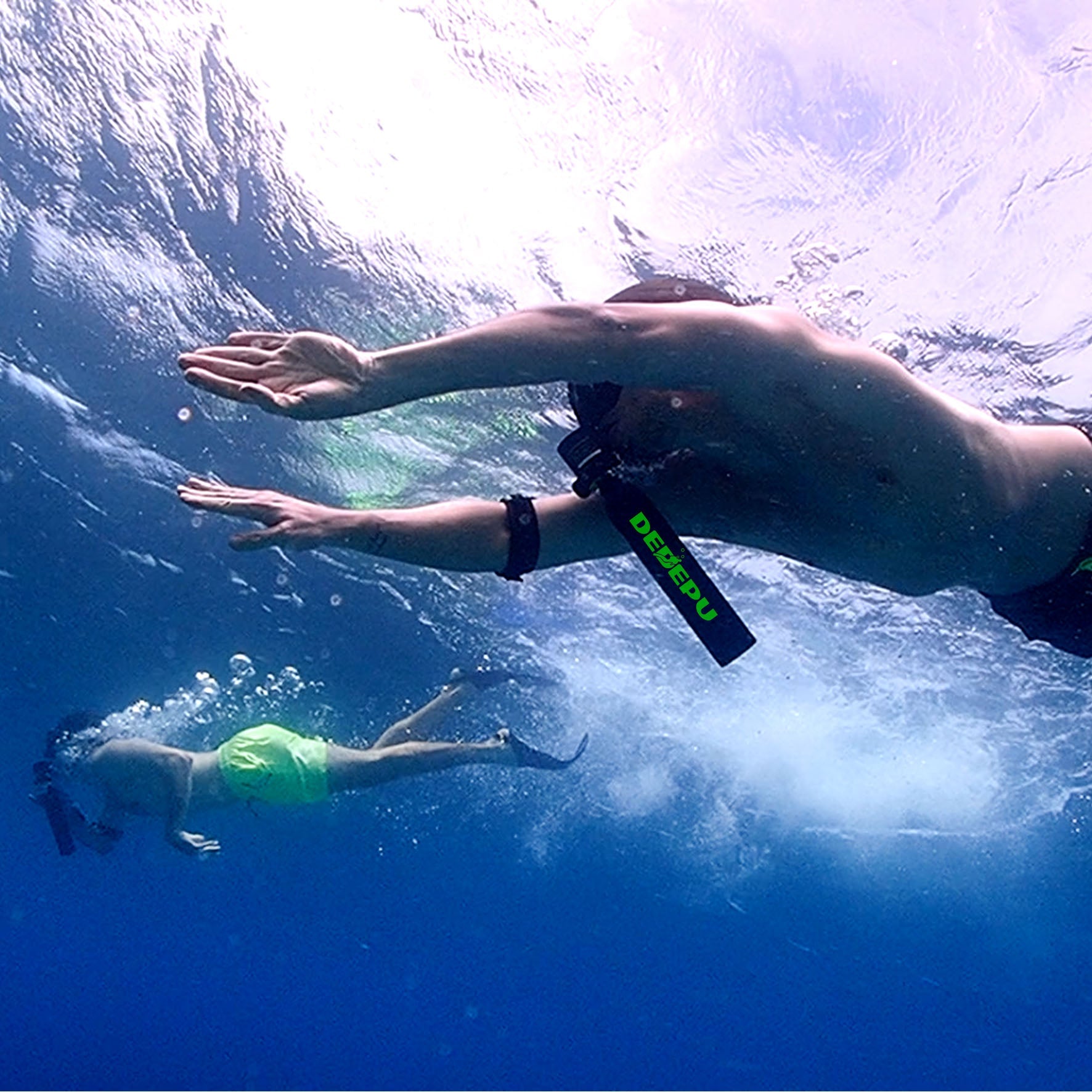
Renting is the easier option: €10–30 per day, making more sense if you use one fewer than 5 times a year. Buying is more cost-effective at €200–500 if you use one 10 o...
Flying with Mini Scuba Tanks | TSA Ru...
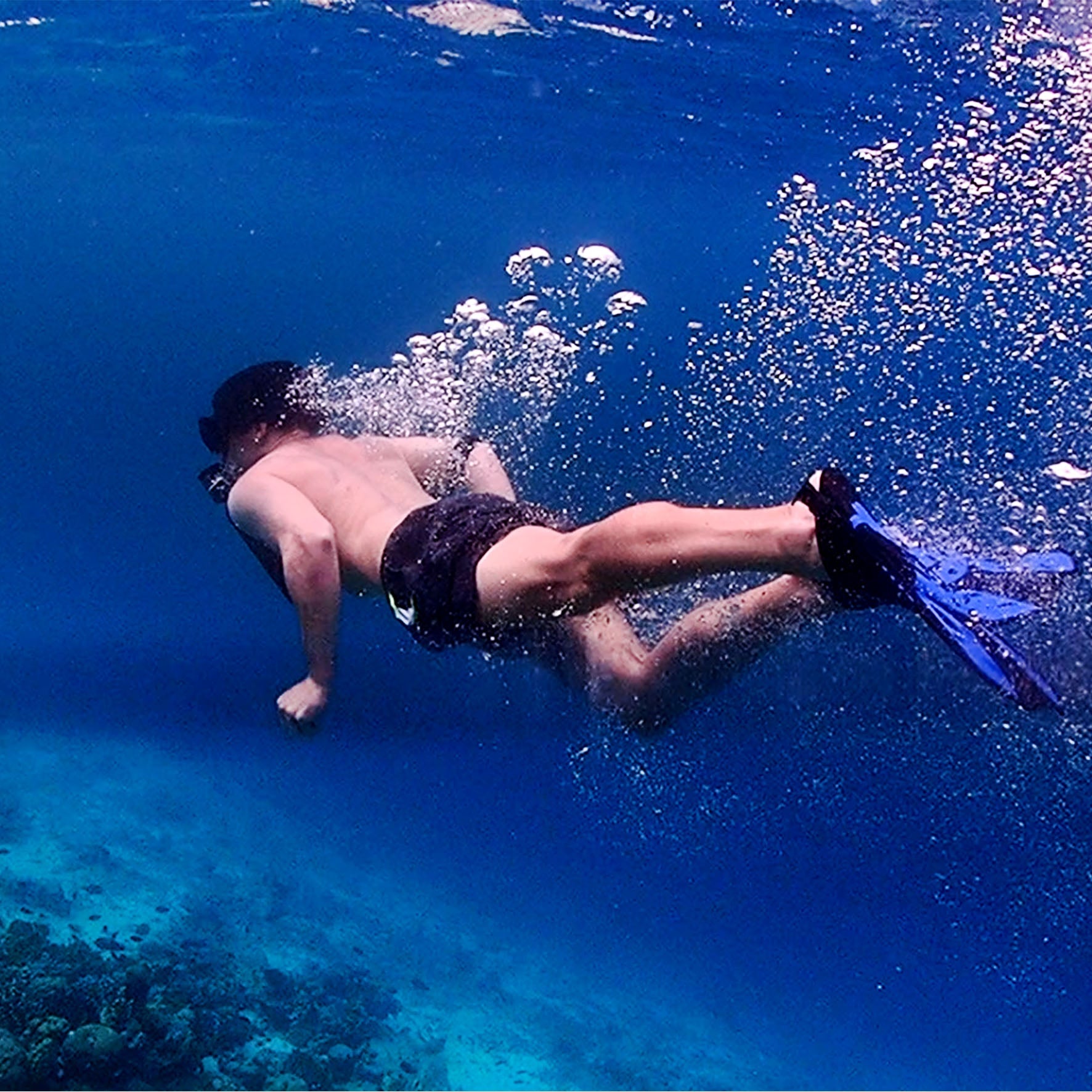
Mini scuba cylinders must be completely depressurized for air travel (0 PSI), with the valve removed and the opening left unobstructed to show there is no residual pre...
Store Aluminum 80 Scuba Tank | Uprigh...
To safely store an AL80 scuba cylinder, keep it secured in an upright position. This allows trace moisture to settle at the bottom to prevent corrosion. Store the tank...
Small Diving Cylinder Spare Parts | V...
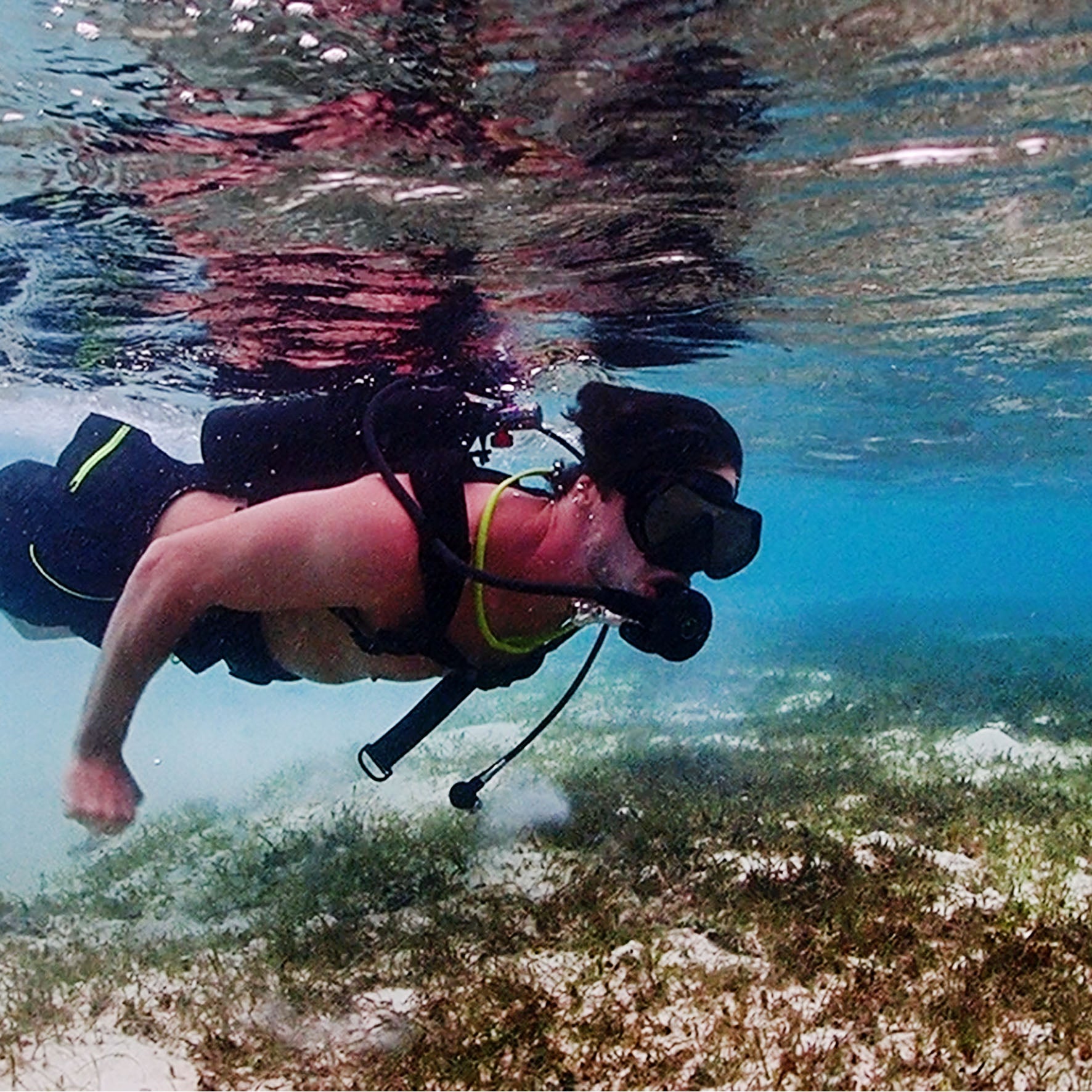
For cylinder safety, use 90 Shore fluororubber O-rings rated for 300 bar high pressure. Have the cylinder professionally inspected once a year, and replace all seals e...
Who Needs Small Diving Cylinder | Boa...
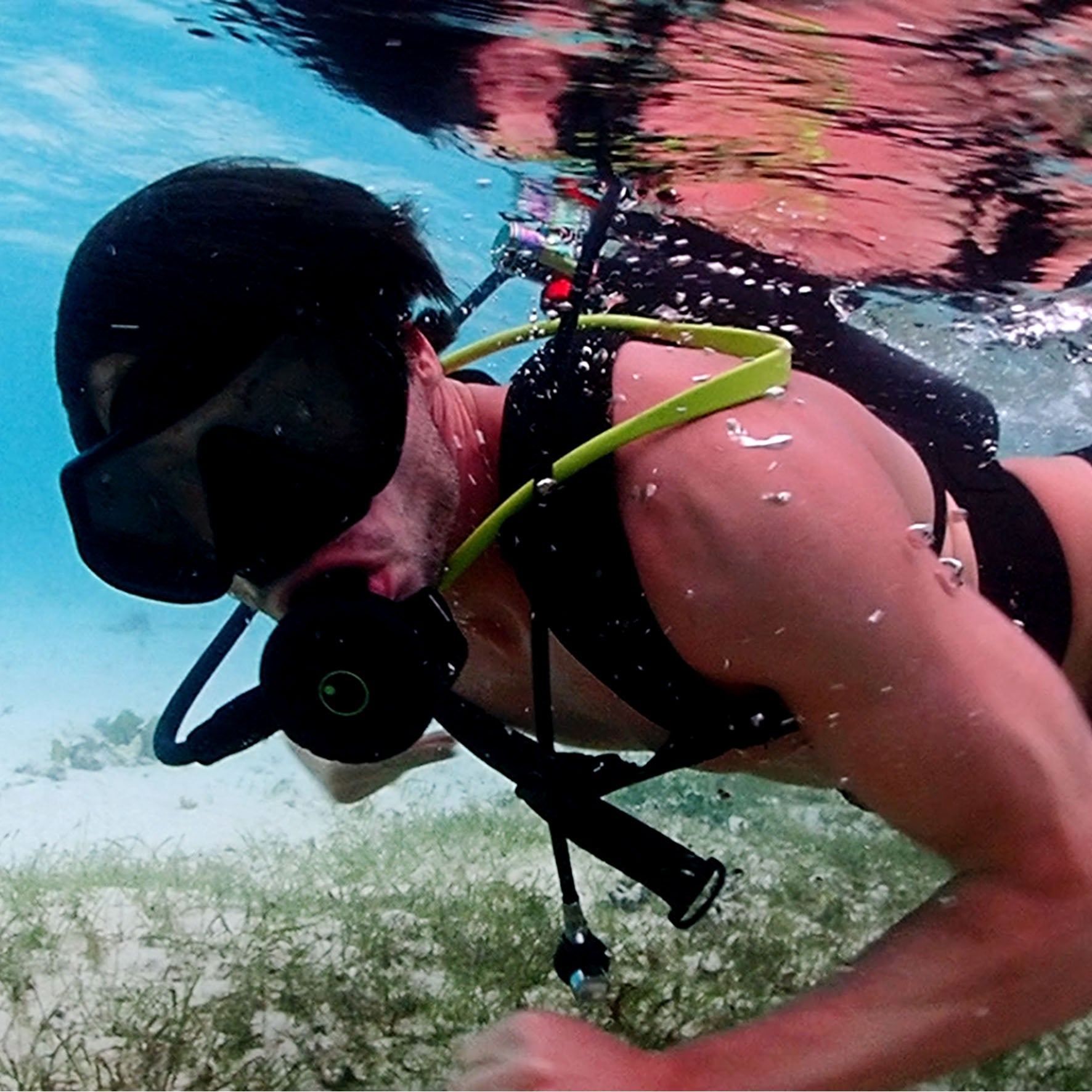
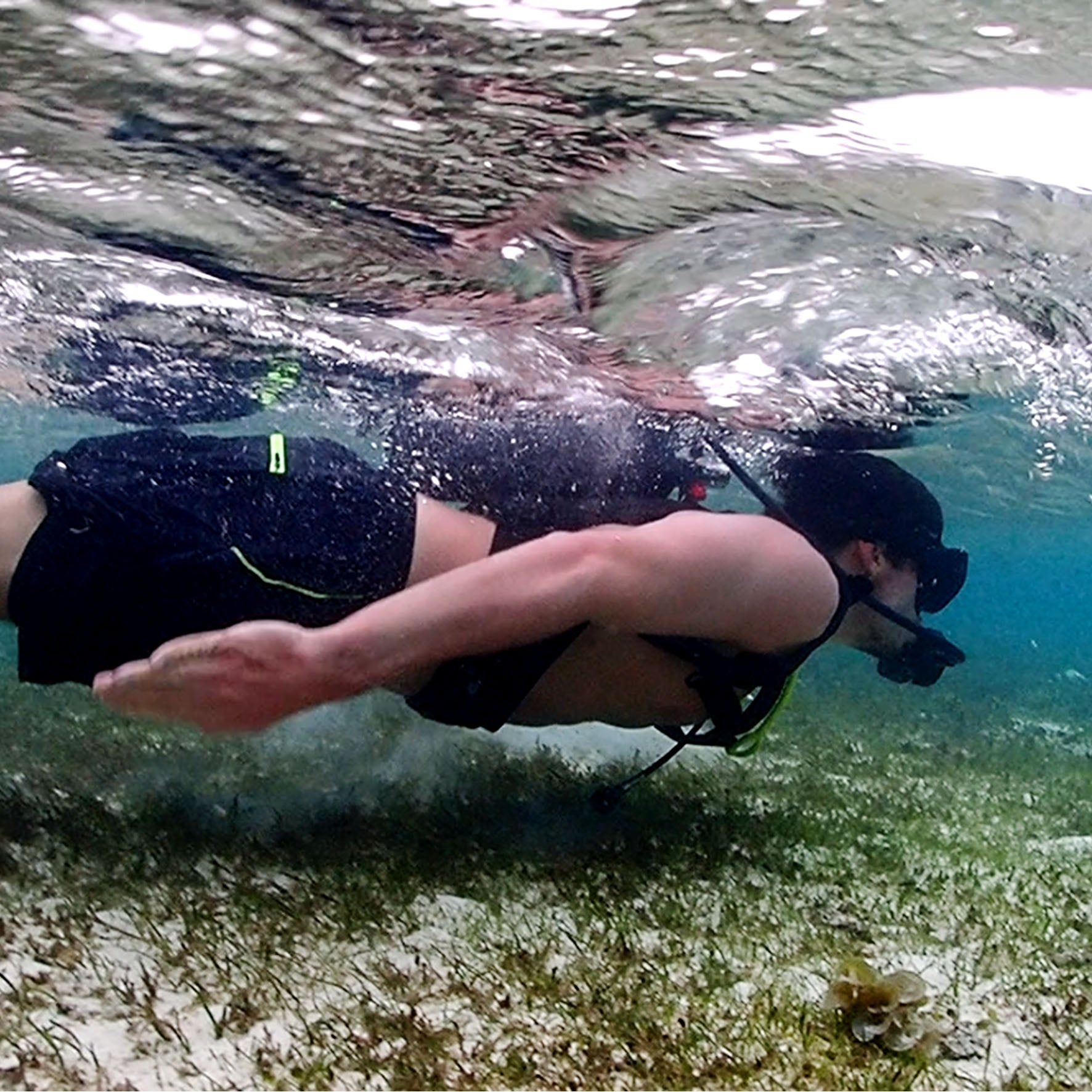
0.5-1L mini tanks can provide about 5-10 minutes of underwater breathing and are best suited for boat owners clearing propellers, pool maintenance, and shallow-water f...
Snorkel vs. Small Diving Cylinder | D...
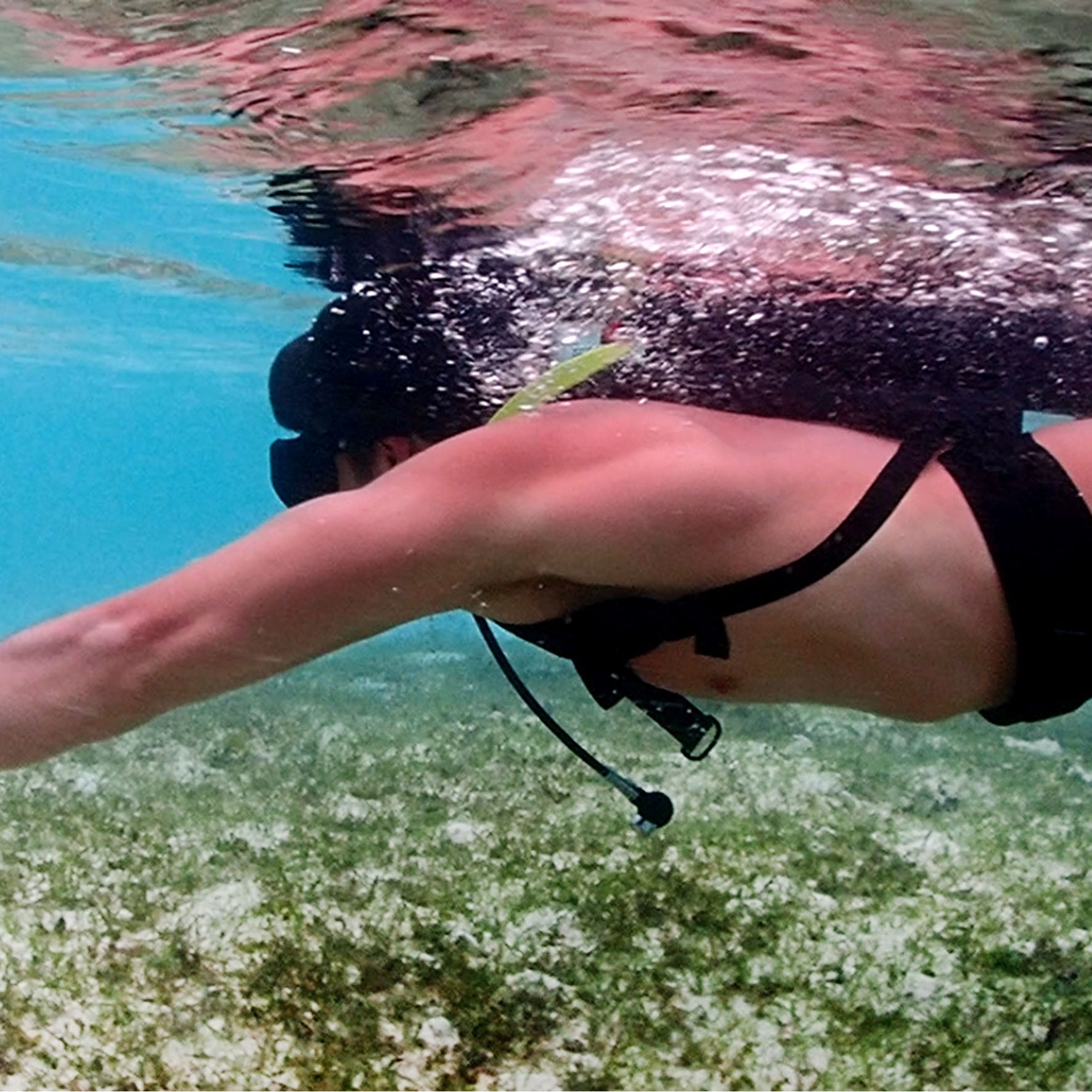
Snorkels are unbeatable for their zero learning curve and unlimited air supply, but they are strictly for surface use and offer exceptional safety and freedom. Mini sc...