

Small Diving Bottle Setup | Integrate...
Integrated secures the small cylinder to the BCD using a bracket or an air cell pocket. Pros: Excellent underwater streamlining and a stable center of gravity, making ...

Small Tank Scuba Guide | How to Choos...
Choosing a Spare Air requires balancing air volume with weight: The standard 3.0 cu ft (0.85L) weighs about 0.9kg and provides 30-50 breaths at a depth of 10 meters, w...
Small Scuba Gear | Why Use a Diving M...
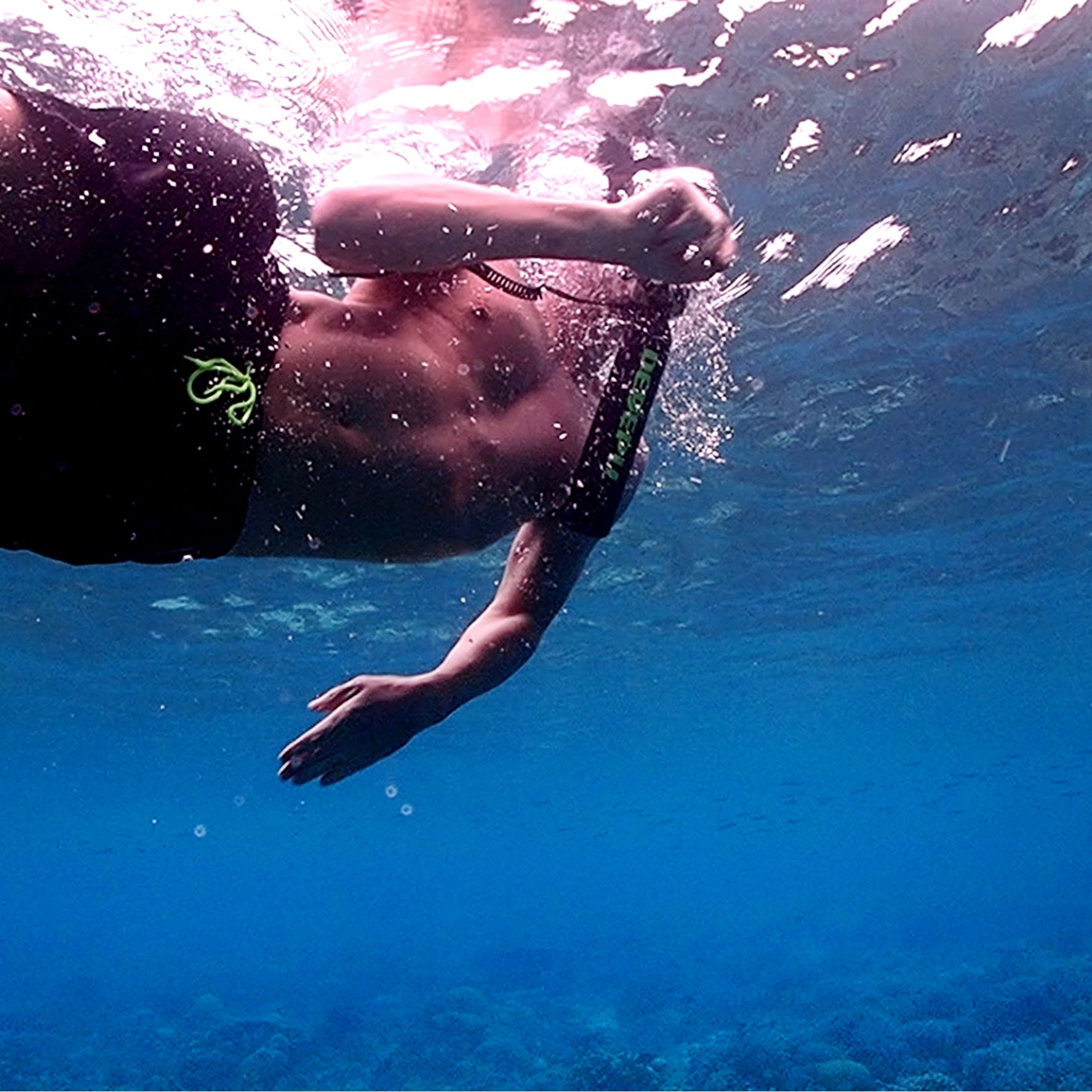
Mini scuba cylinders (0.5L-1L), weighing as little as 1.5kg, are the ideal choice for shallow water recreation and emergency backup. In waters within 10 meters, they p...

Scuba Tank Sizes | Everything You Nee...
Selecting a scuba cylinder requires focusing on material and capacity. The most mainstream AL80 aluminum cylinder (11.1 liters, 3000 psi) is suitable for beginners, of...

How to Store a Scuba Diving Tank | Lo...
The cylinder should be stored upright, with pressure maintained at 300-500 PSI to isolate moisture. Place in a cool and dry place. Be sure to have a visual inspection ...

Scuba Diving Tank Valves | DIN vs. Yo...
DIN port supports 300 bar high pressure, threaded connection is safer, and suitable for technical diving; Yoke port is limited to 232 bar, has a simple structure, and ...