
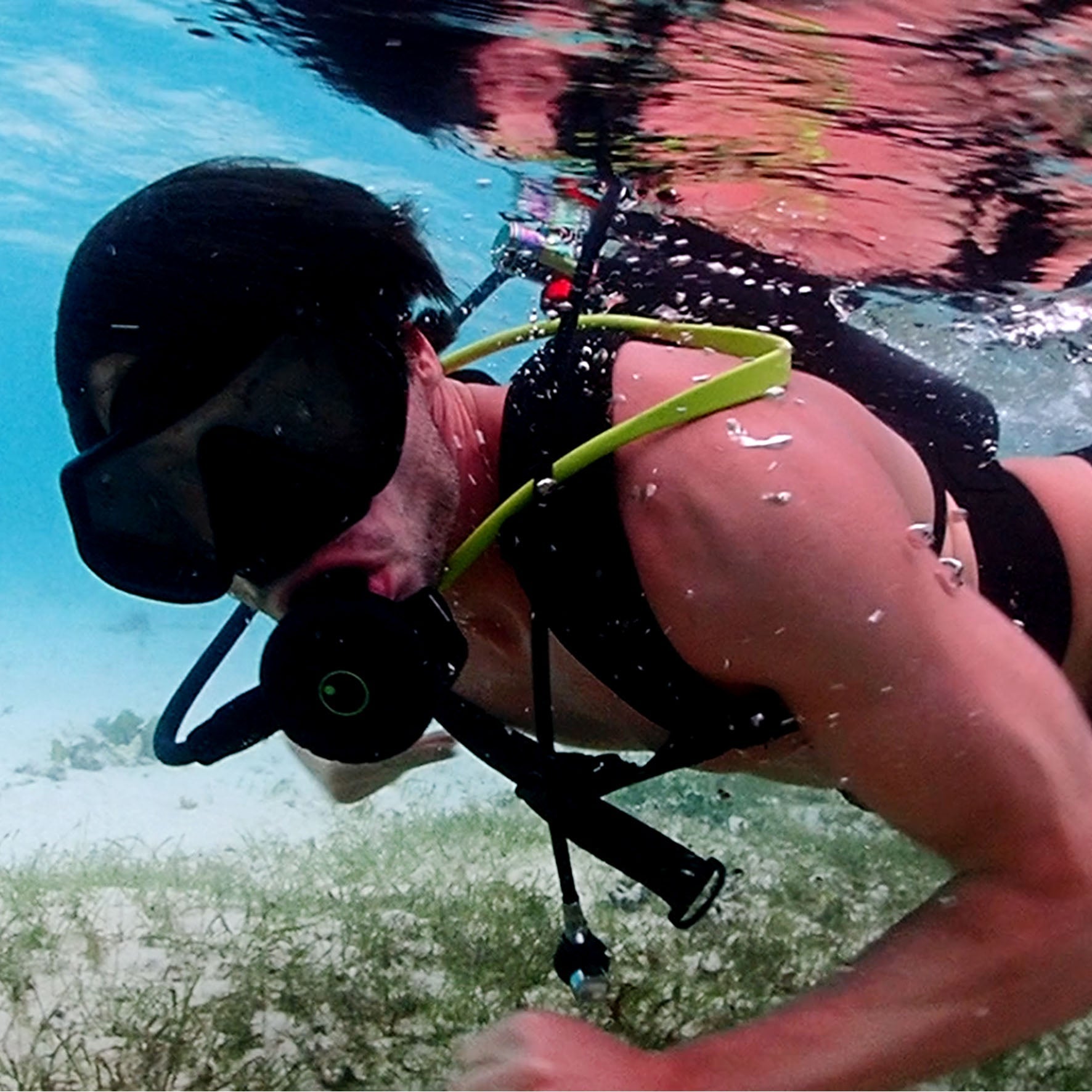
Underwater scooters for mini tanks: 5...
Underwater scooters boost efficiency for inspecting and maintaining mini tanks. Selecting the right model requires matching thrust power (typically 15-20 kgf) to overc...
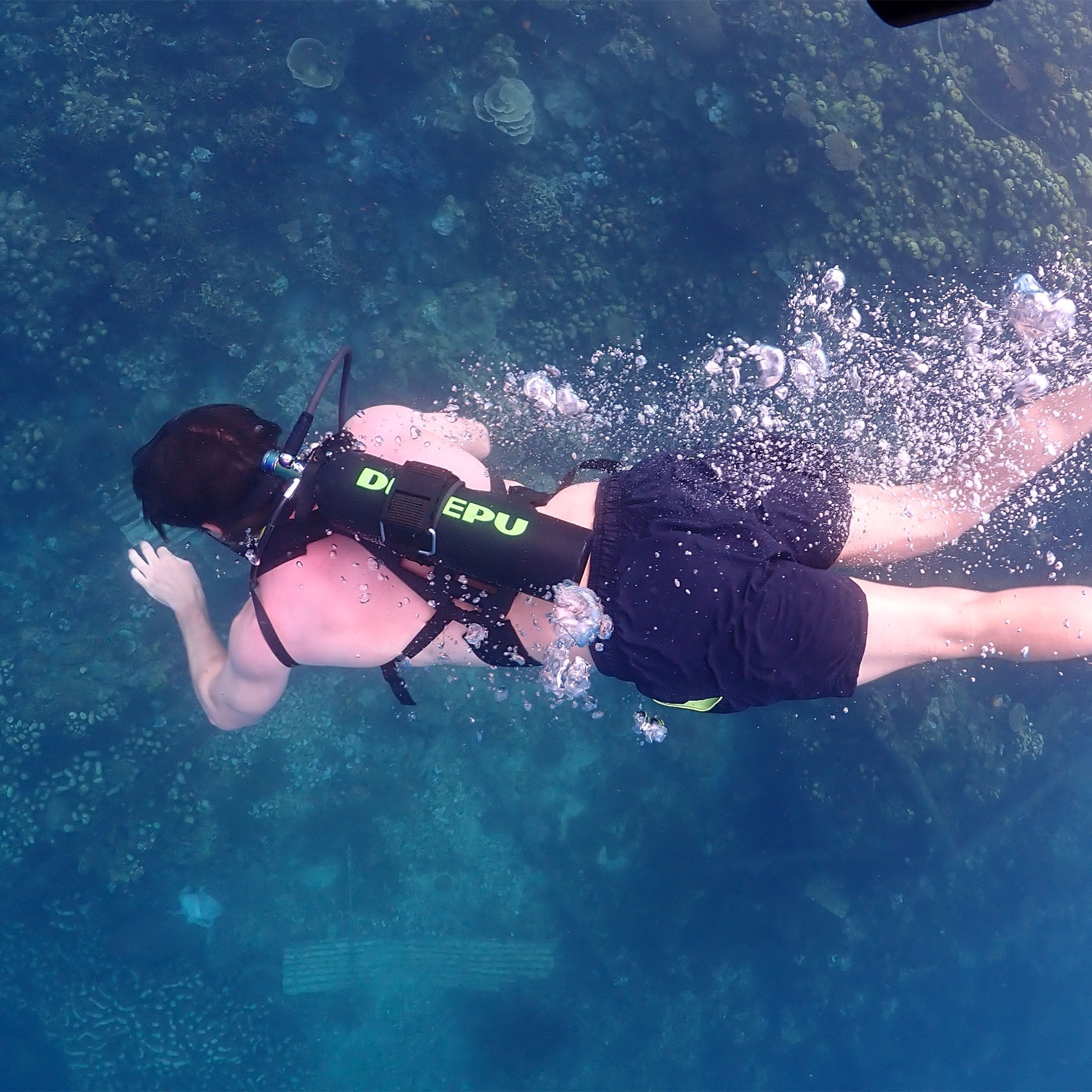
Maintaining mini scuba tanks: 5 simpl...
Saltwater corrosion can degrade tank integrity by up to 50% faster than freshwater exposure. After every dive, completely rinse the tank’s exterior, valves, and thread...

How to choose a mini diving tank in 6...
Mini diving tanks (typically 3-6 liters / 0.4-0.8 ft³) provide freedom beyond bulky gear. Used for 5-15 minute dives at depths under 10 meters, they’re ideal for snork...
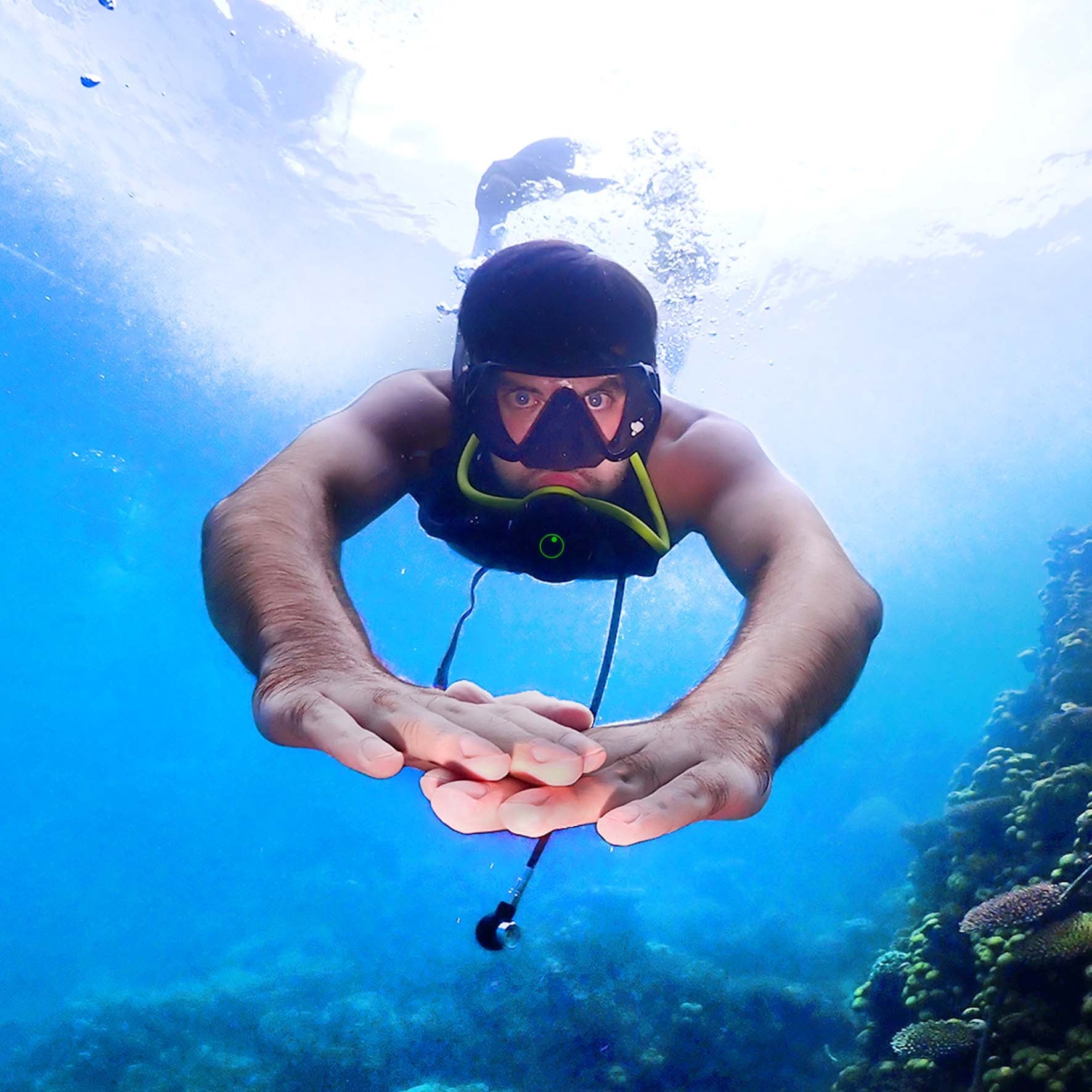
Mini vs regular scuba tank: 6 key dif...
While both fill to similar high pressure (around 3000 PSI/207 bar), their physical differences significantly impact your dive. A mini tank is vastly smaller and lighte...
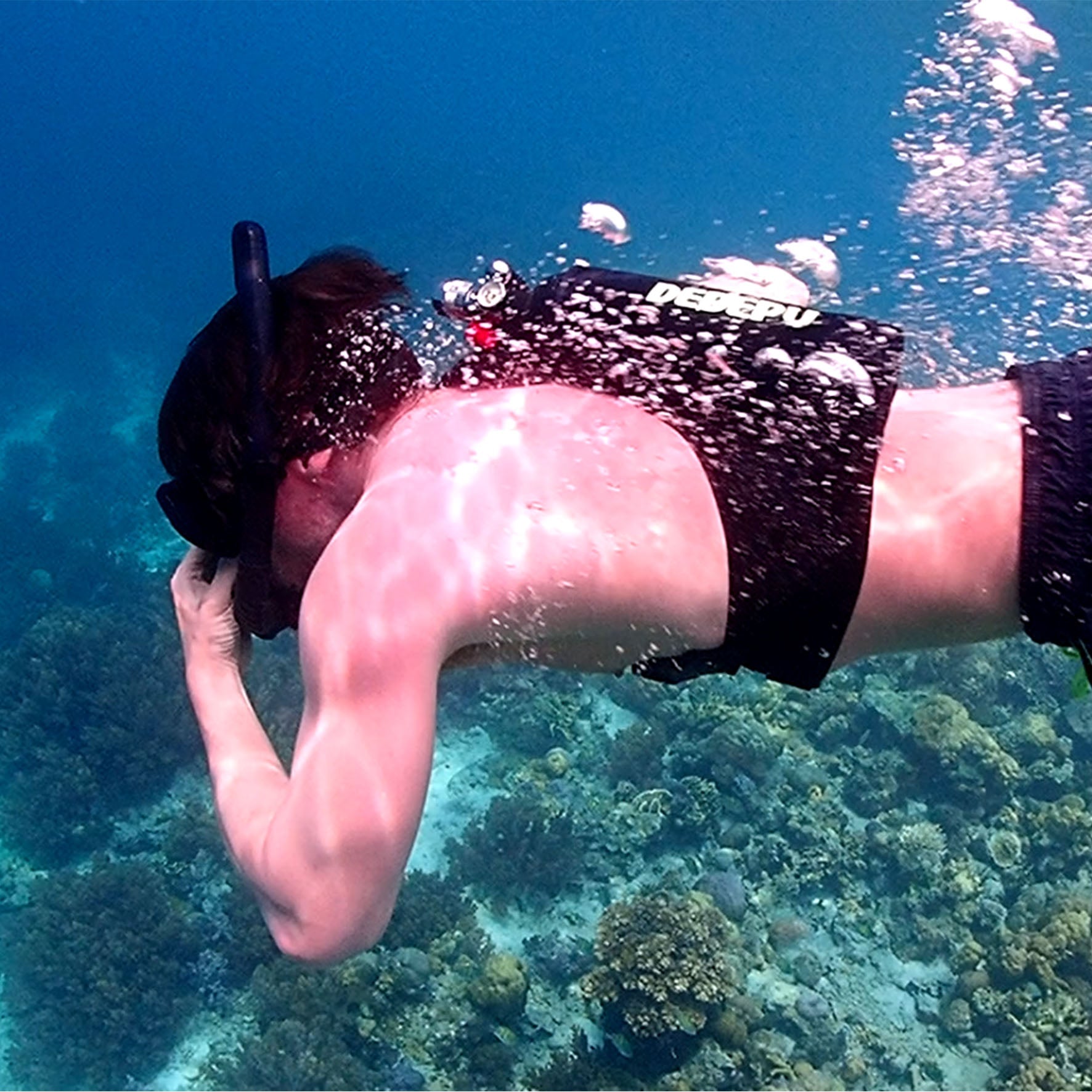
5-step guide to filling a mini scuba ...
You'll need a specialized compressor capable of reaching pressures exceeding 3000 PSI (often 90+ CFM models) producing CGA Grade E breathing air – standard shop...
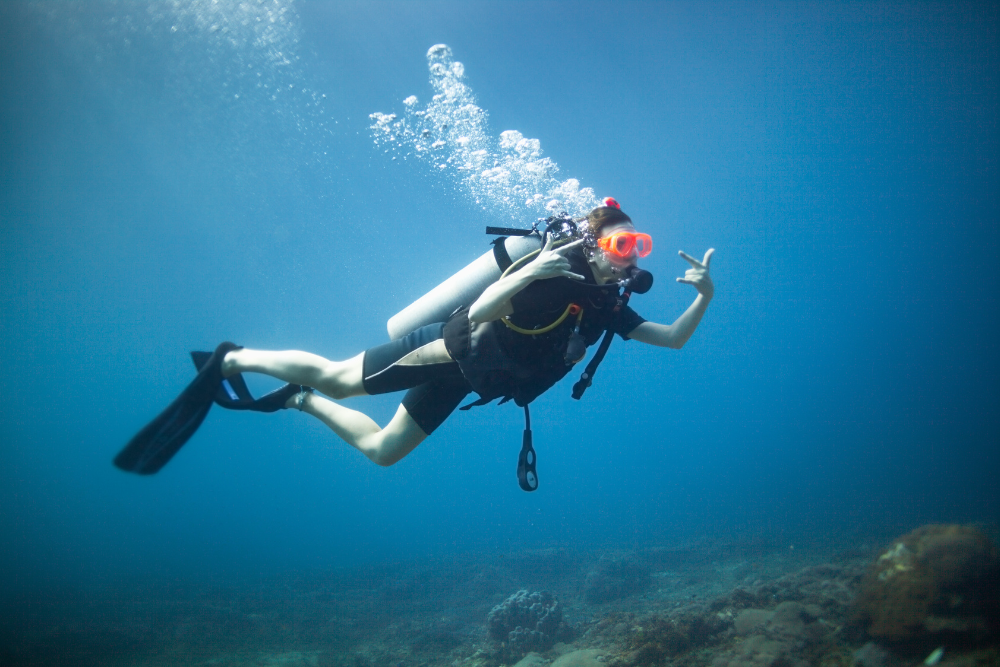
How long will a mini scuba tank last?...
The answer depends heavily on your tank's actual usable air volume (e.g., 1.0, 1.7, or 3.0 cubic feet) and your breathing rate. At this low pressure point, usable time...