
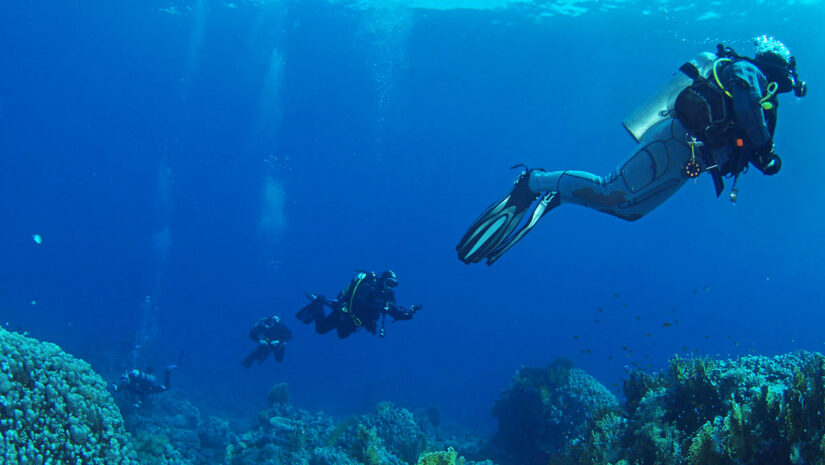
5 safety checks before using your min...
Before using your mini scuba dive tank, perform these 5 safety checks: 1) Inspect the tank for dents or rust, as even minor damage can compromise integrity. 2) Verify ...

How does an underwater scooter enhanc...
An underwater scooter enhances your dive by extending dive time up to 30% with less effort, allowing you to cover 3x more distance effortlessly. It improves buoyancy c...
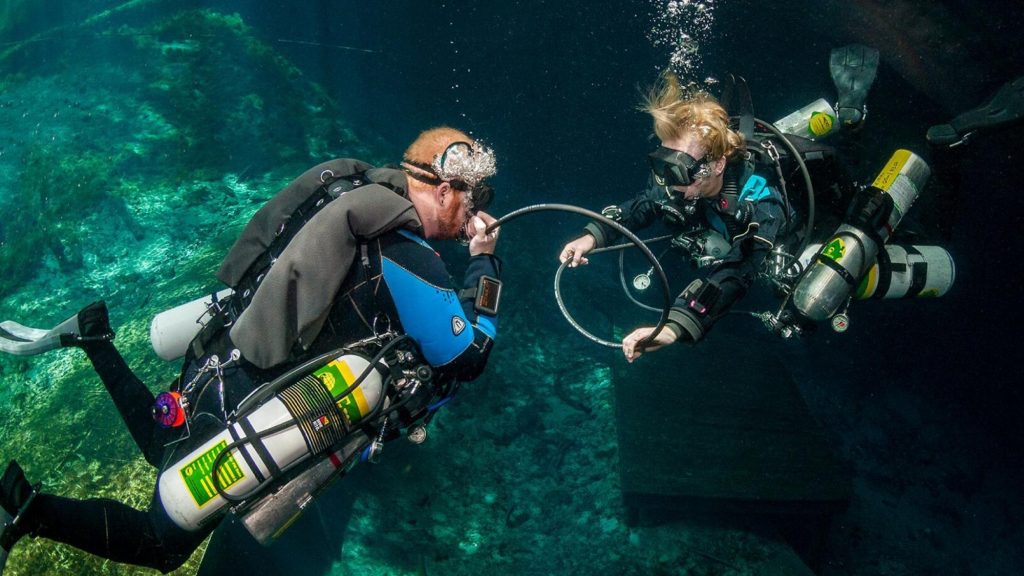
5 common mistakes when using a mini s...
Here are 5 common mistakes first-time users make with mini scuba tanks: Overestimating air supply (a 1L tank lasts only 5-10 minutes at 10m depth), skipping pre-dive e...
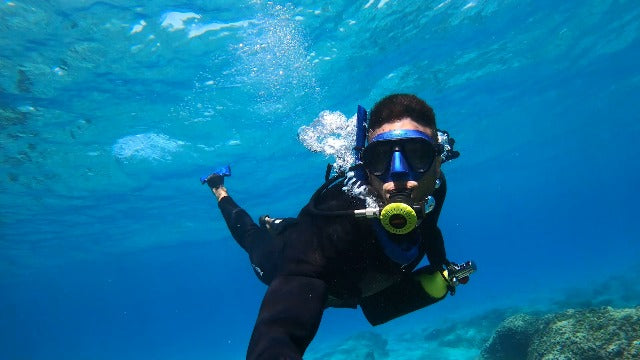
Can you use a mini scuba tank for sno...
Yes, you can use a mini scuba tank (like a 1-3 liter pony bottle) for snorkeling, but consider: 1) Limited air supply (5-15 minutes at 10m depth); 2) Weight and buoyan...
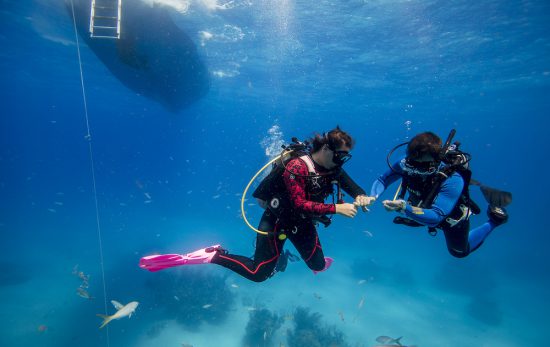
What are common mini tank failures 6 ...
Common mini tank failures include clogged filters (30% of cases), low battery voltage (below 11.5V), leaking seals, motor burnout, sensor malfunctions, and controller ...
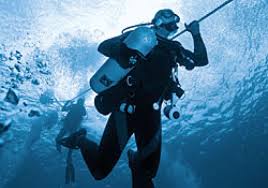
How to store mini scuba tanks long-te...
To store mini scuba tanks long-term, keep them at 50-80% full (200-500 PSI) to prevent internal moisture buildup, store upright in a cool, dry place below 80°F (27°C),...