
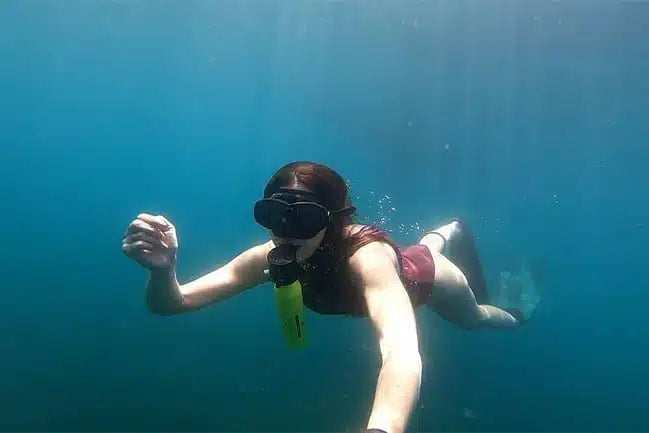
Mini Tank Safety Features: 5 Mechanis...
The Mini Tank incorporates five key safety features: a 35-degree tilt sensor halts operation if tilted beyond safe limits, a pressure relief valve activates at 2.5 bar...
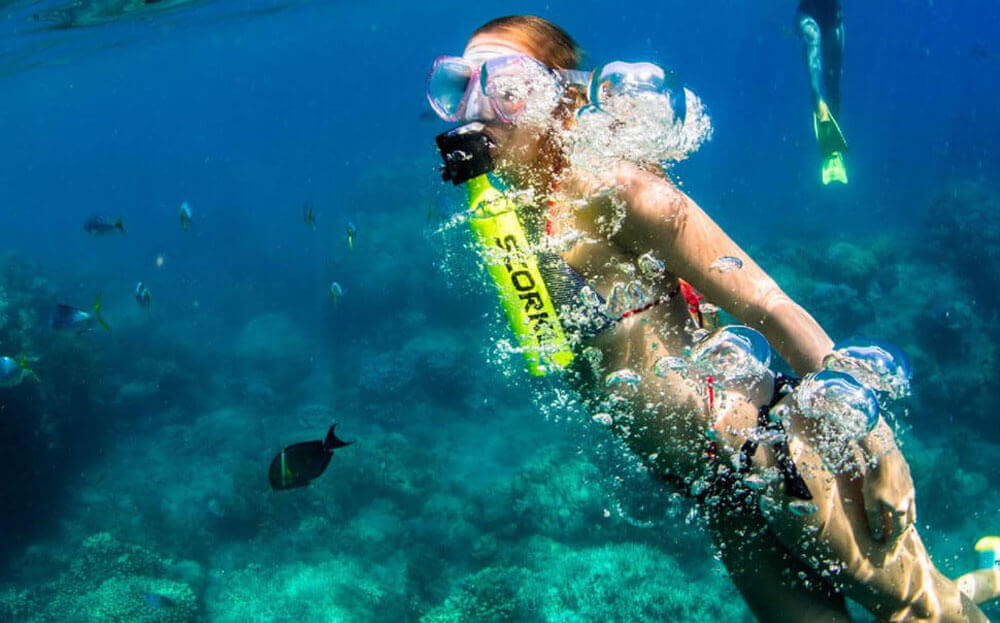
Mini Scuba Tank Safety Guidelines 5 M...
To ensure mini scuba tank safety, check the pressure gauge first—always use tanks with ≥50% of their rated capacity (e.g., ≥100 bar for 200-300 bar tanks) to avoid sup...
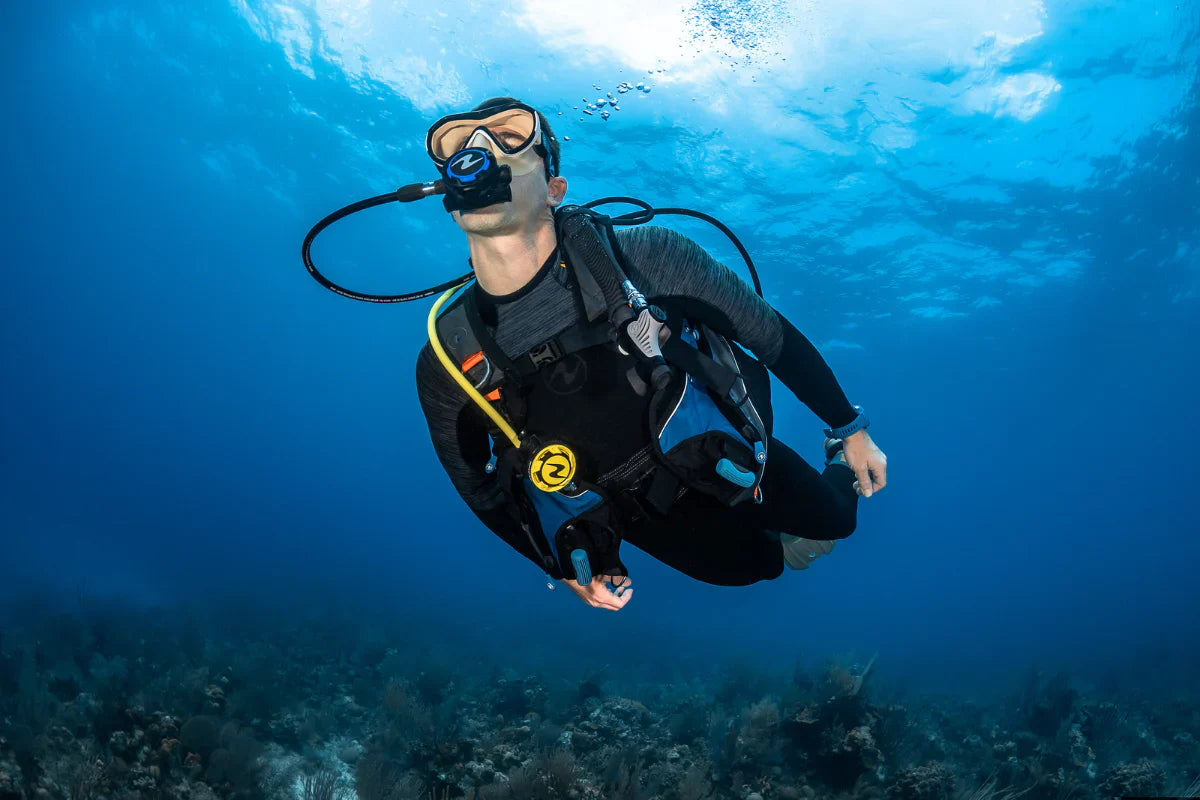
How to Store a Scuba Tank 5 Tips to P...
To store a scuba tank and prevent damage, keep it pressurized at 100-200 psi (never fully empty) to block moisture, place it upright on a stable stand in a dry, shaded...
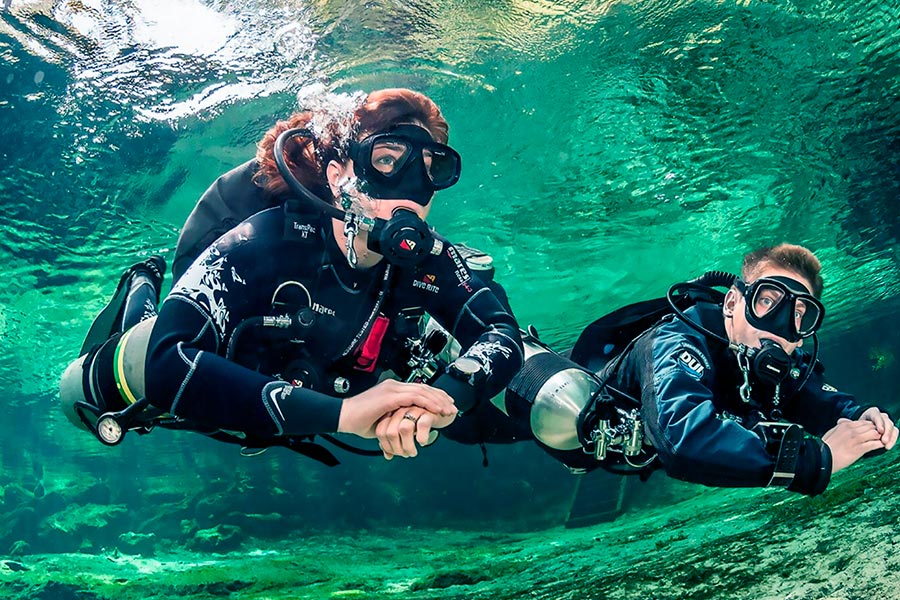
How to Choose Between a 1l and 2l Min...
When choosing between a 1L and 2L mini diving tank, focus on dive duration and portability: the 1L tank offers ~15-20 minutes of bottom time, lightweight (~2.1kg) for ...
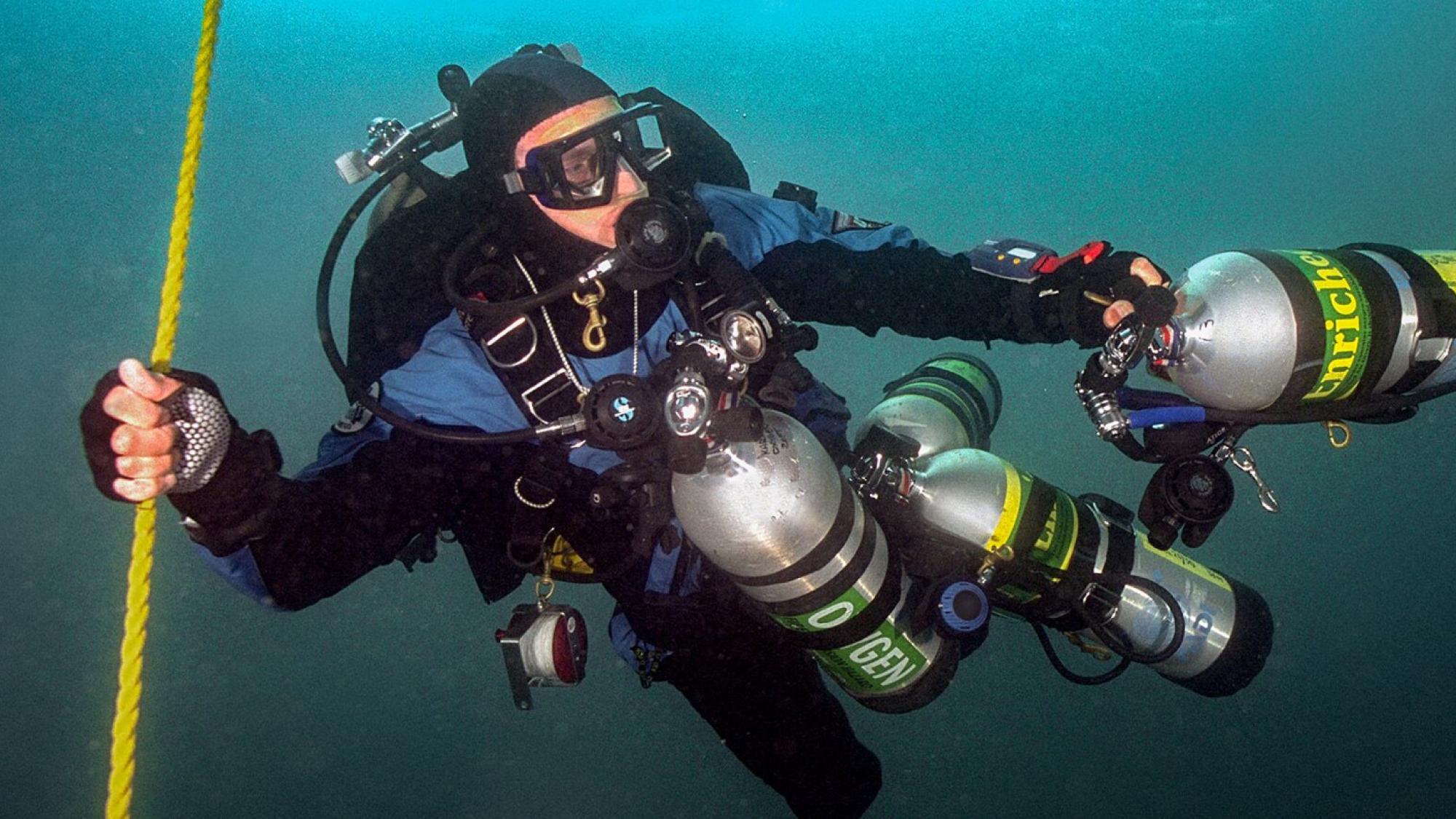
How to Prevent Rust in a Steel Dive Tank
To prevent rust in steel dive tanks, thoroughly rinse with fresh water post-dive to remove salt residue, then dry the interior completely (air-dry for at least 24 hour...
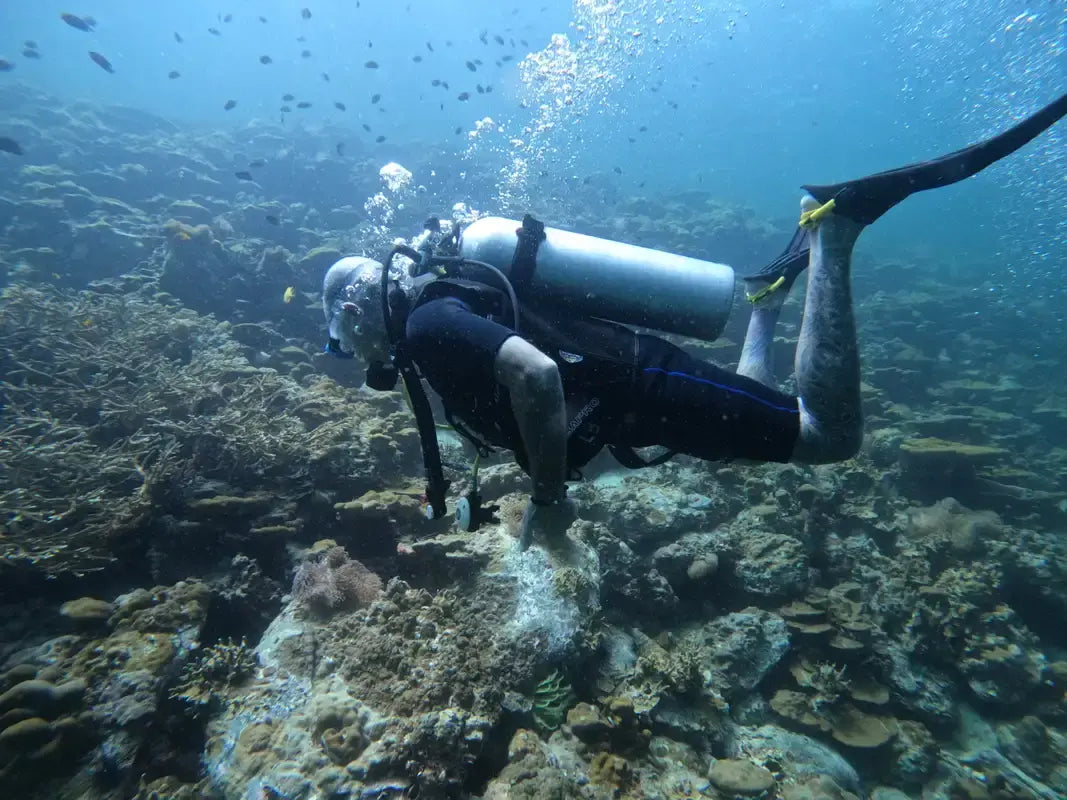
How to Choose Dive Tank Compressor Bu...
To choose a dive tank compressor, start with 4 core steps: first, confirm airflow (aim for 4-5 CFM to fill 80-cubic-foot tanks in ~30 minutes); second, check max press...