
Why Buy a Small Diving Bottle | Extre...
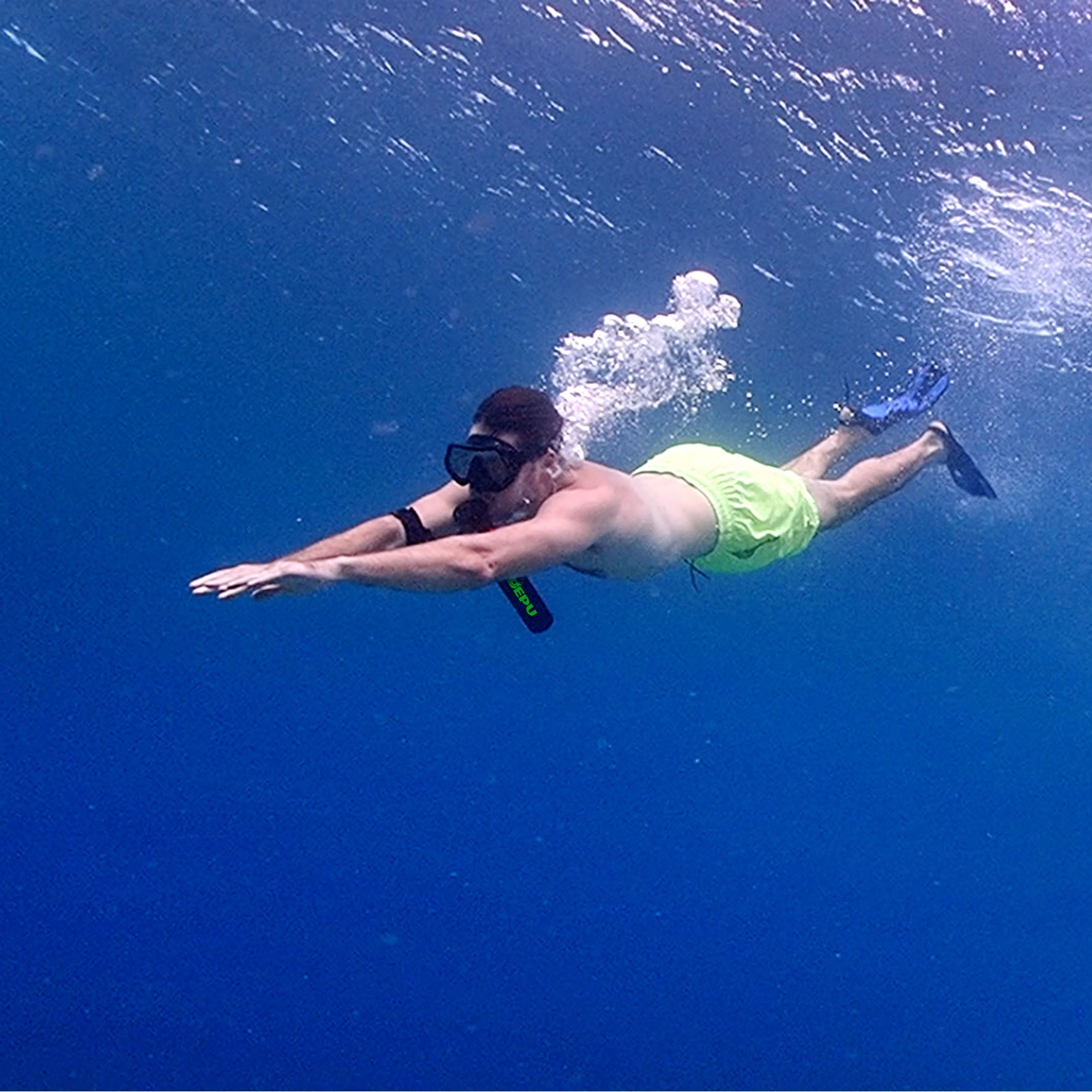
Mini scuba tanks are 80% smaller than conventional 12L cylinders (e.g., a 3L aluminum tank is 12cm in diameter and 50cm long) and weigh only 1.5kg (vs. 15kg for conven...

Portable Dive Tank vs. Full Scuba Gea...
Portable Dive Tank advantages include extreme portability (0.5-2L aluminum tank, weighing 0.8-1.5kg, only 1/10 of a traditional tank), low cost (purchase price 200-500...

Snorkel Gear Buying Guide | How to Ch...
Choose basic models for still water (lakes); use wave-resistant gear for surf zones/open seas. Prioritize masks with a single-window wide field of view (e.g., Cressi B...

Refillable Diving Mini Tank | Cost-Ef...
Refillable mini scuba tanks with a capacity of 0.5-2L (e.g., 1L × 300bar = 300L air), aluminum body height 15-25cm, diameter 5-8cm, weight 0.8-1.5kg, only 1/10 of a tr...

How to Choose a Small Diving Tank | C...
Small cylinders are commonly 3-12L, primarily made of aluminum. Select 5-7L for recreational diving (e.g., 5L × 200bar = 1000L air; at 20L/min consumption, it lasts 50...

How to Clean Snorkeling Gear | Step-b...
Immediately rinse the surfaces of the mask, snorkel, and fins with fresh water (non-seawater) after each use to remove silt and sand. Focus on scrubbing the mouthpiece...