
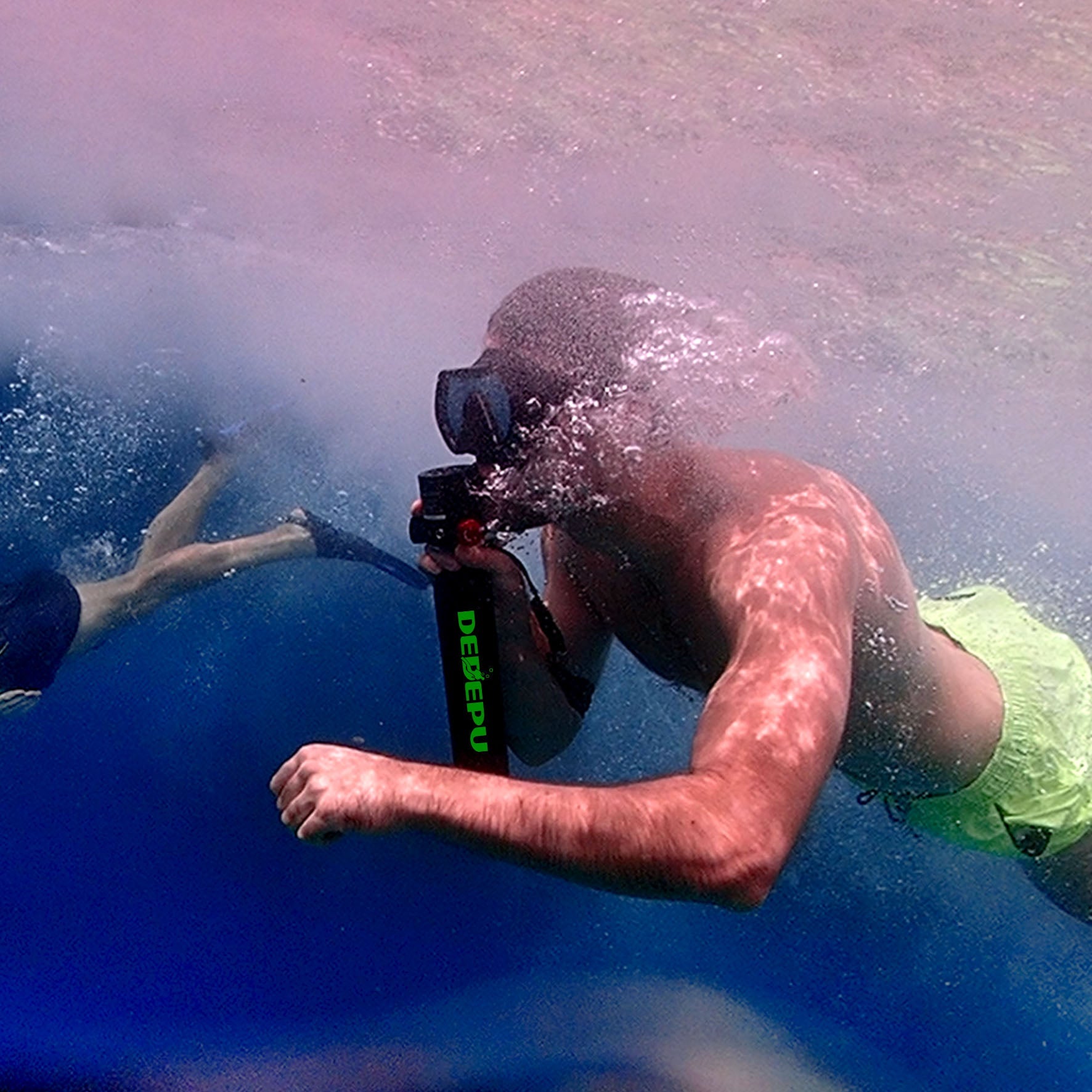
Opciones de montaje para botella pony...
Durante mi período como responsable de auditorías de seguridad en PGASA, documentamos 8 separaciones de tanques de emergencia en un año; el 60 % se atribuyó a métodos ...
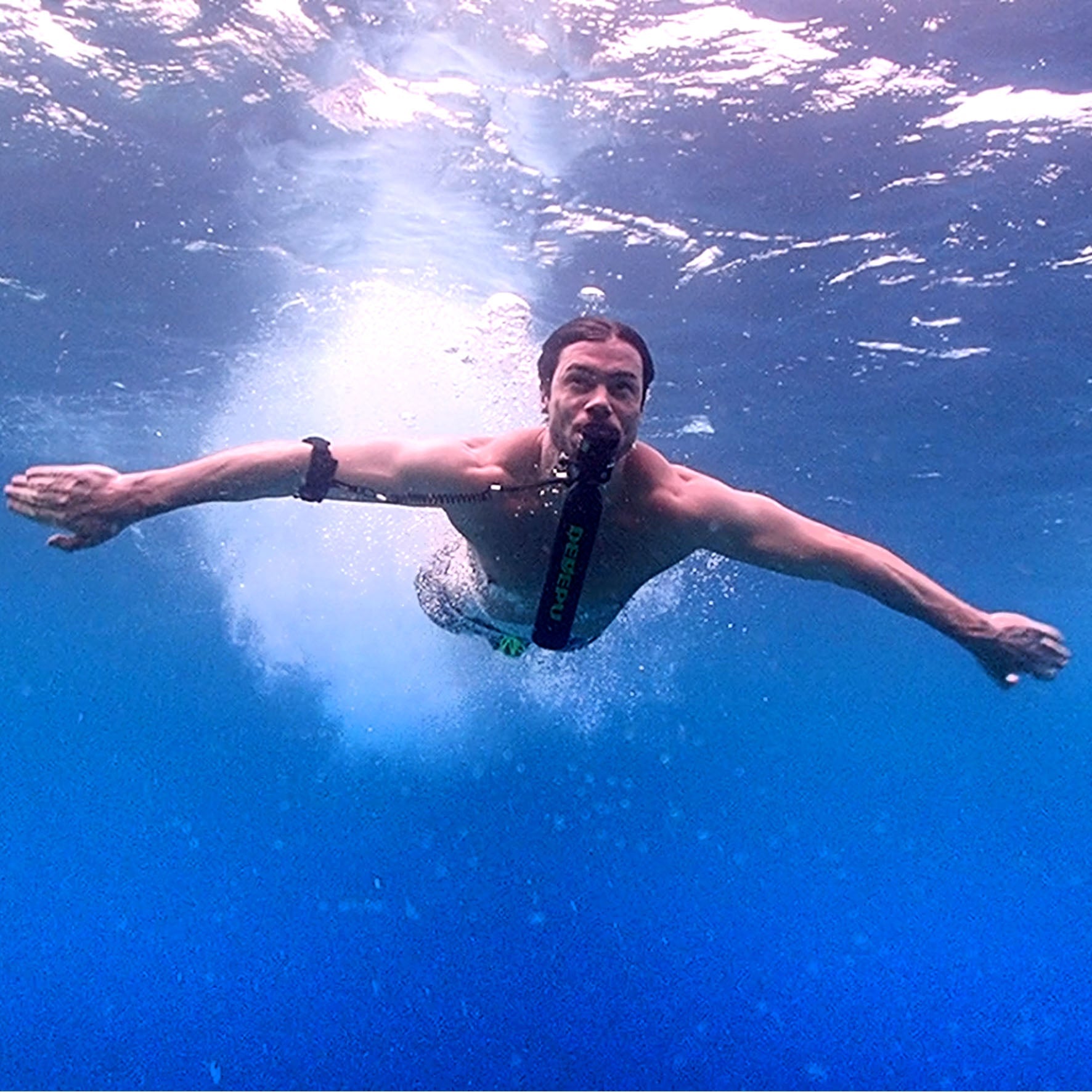
Pequeña botella de buceo para limpiar...
Un pequeño cilindro de buceo es una ayuda práctica para la limpieza rápida de embarcaciones, las revisiones del casco y las inspecciones de la hélice en aguas poco pro...
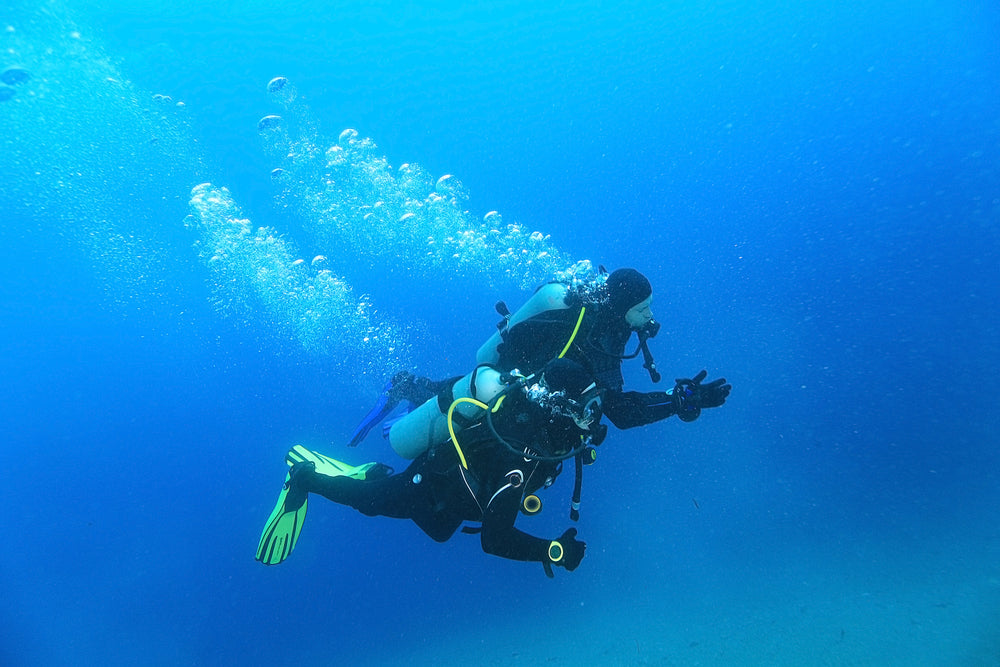
Botella de buceo pequeña para fotogra...
Los tanques pequeños de aire para buceo son fuentes compactas de aire a alta presión diseñadas específicamente para fotógrafos subacuáticos. Con una presión de trabajo...
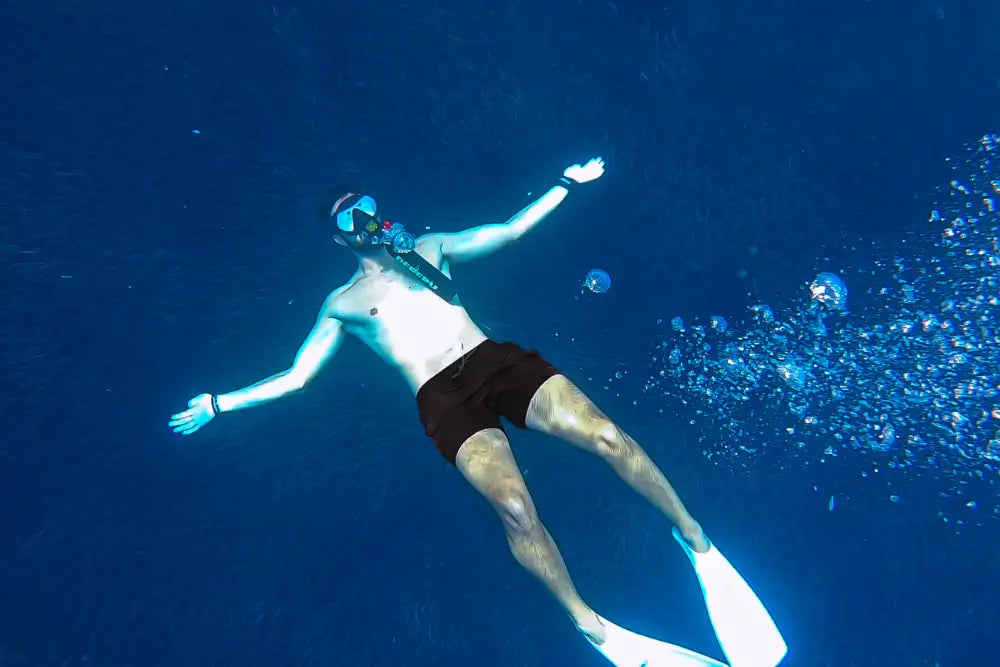
Mini tanque de buceo para hacer turis...
Los mini tanques de buceo autónomo son fuentes compactas de gas respirable diseñadas específicamente para hacer turismo bajo el agua; normalmente tienen una capacidad ...
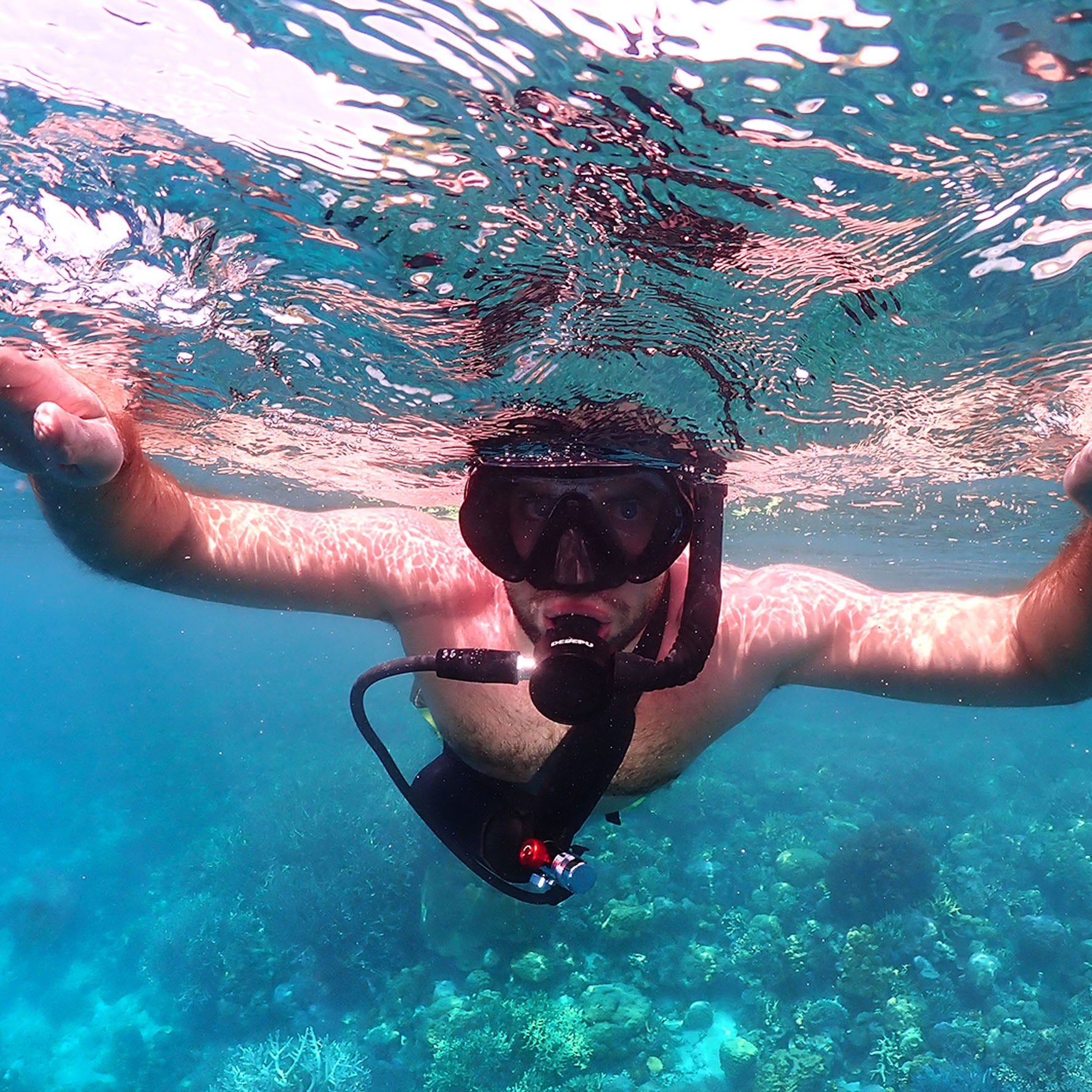
Pesos y flotabilidad para mini equipo...
Los datos de PADI muestran que más del 90 % de los buceadores recreativos llevan entre 2-4 kg más de lastre del que realmente necesitan. El exceso de lastre obliga a i...
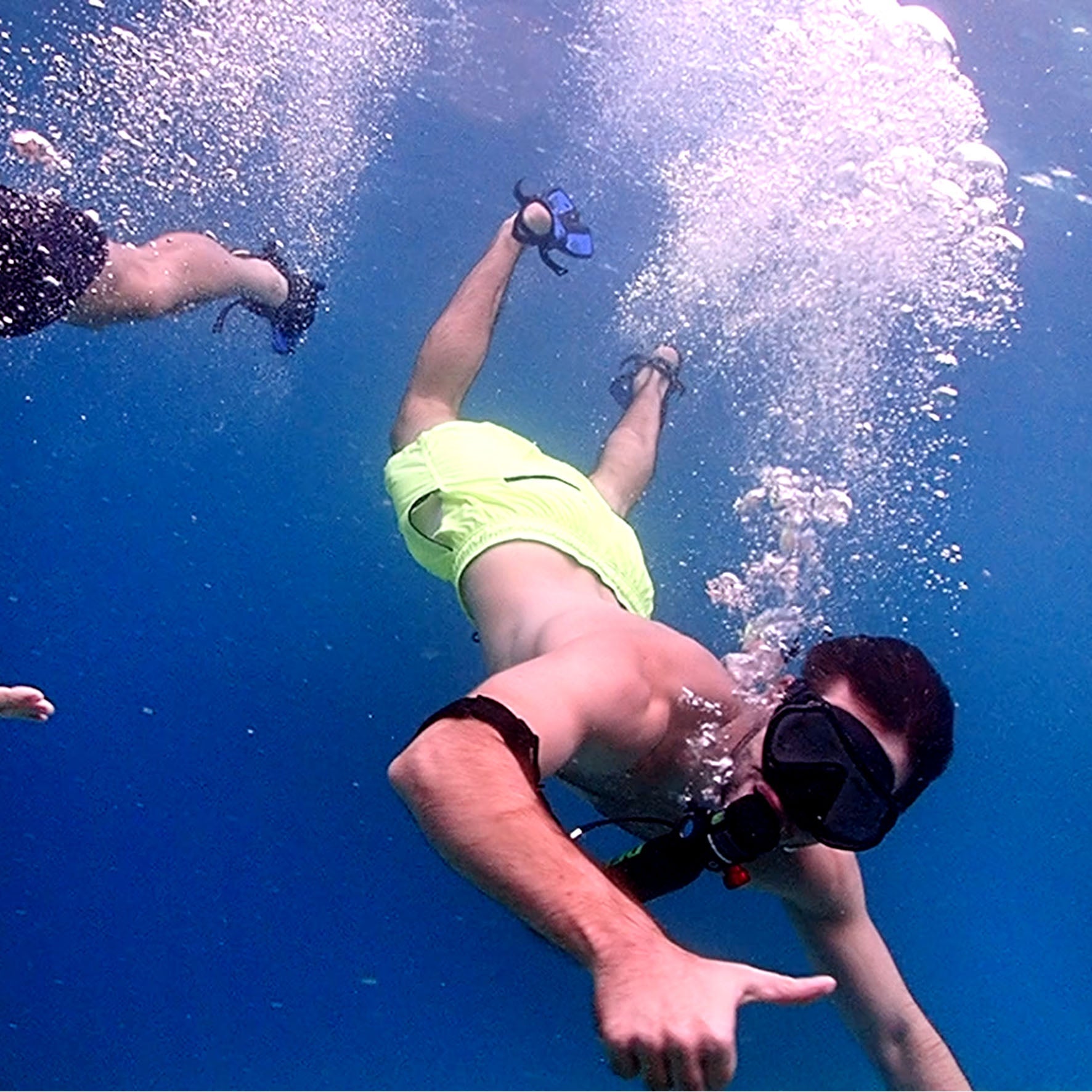
Cómo evitar que se empañen las máscar...
La encuesta de buceadores de PADI de 2026 muestra que el empañamiento de la máscara es uno de los problemas recurrentes más comunes en el buceo en aguas abiertas. Qued...