
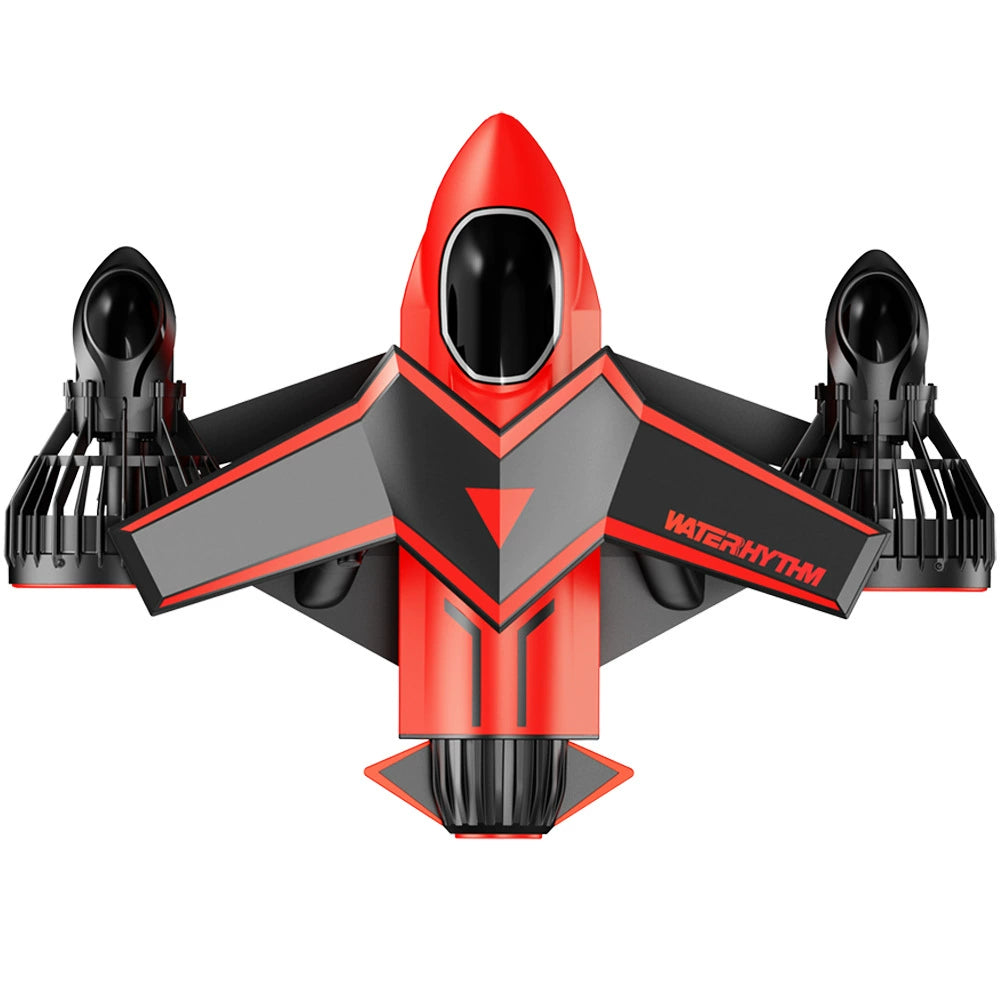

Al comprar un mini tanque de buceo (como los de 0.5L/1L), dé prioridad al aluminio aeronáutico 6061 con certificación DOT/CE. Los datos empíricos muestran que, a una presión máxima de 3000 PSI, un tanque de 0.5L proporciona aproximadamente 5-10 minutos de respiración en aguas poco profundas.
Asegúrese de que esté equipado con una válvula de presión constante para garantizar una respiración fluida e incluya un racor de conexión rápida refractivo de 8mm. Este equipo está estrictamente limitado a actividades recreativas en aguas poco profundas o como respaldo de emergencia dentro de los 10 metros; está estrictamente prohibido bucear a gran profundidad.

Seguridad y certificación
Los mini tanques de buceo homologados deben llevar un sello permanente de DOT-3AL (Departamento de Transporte de EE. UU.) o CE (norma europea). La presión de trabajo estándar suele ser de 3000 PSI / 200 Bar, y un tanque de 1L puede proporcionar aproximadamente 8-10 minutos de suministro de aire a una profundidad de 3 metros. Los reguladores deben cumplir la norma de respiración EN250 para garantizar un flujo de aire estable a distintas profundidades. La recarga debe realizarse con aire seco de grado E; está estrictamente prohibido utilizar compresores industriales sin filtración multietapa.
Normas del equipo
Los mini tanques de buceo que ingresan al mercado norteamericano deben superar la certificación DOT-3AL. El grabado del cuerpo del cilindro suele incluir la marca DOT-3AL 3000, donde 3000 representa una presión de trabajo nominal de 3000 PSI (aprox. 207 Bar). Los materiales de fabricación utilizan principalmente aleación de aluminio de grado aeronáutico 6061-T6, que mantiene un perfil ligero y ofrece una resistencia a la tracción extremadamente alta, capaz de soportar cargas de prueba superiores a 1.5x la presión nominal sin deformación plástica.
| Número de norma | Jurisdicción | Requisitos técnicos | Ejemplo de marcado de conformidad |
|---|---|---|---|
| DOT-3AL | Departamento de Transporte de EE. UU. (DOT) | Normas obligatorias para la composición química y el grosor de pared de las aleaciones de aluminio | DOT-3AL 3000 PSI |
| EN 250:2014 | Comité Europeo de Normalización (CEN) | Trabajo respiratorio (WOB) del regulador a una profundidad de 50m < 3.0 J/L | CE 0098 |
| ISO 11119-2 | Organización Internacional de Normalización (ISO) | Pruebas periódicas de fatiga por presión para cilindros compuestos reforzados con fibra | ISO 11119-2 GAS |
| AS 1777 | Standards Australia | Especificaciones de resistencia a la corrosión y presión para cilindros de aleación de aluminio sin costuras | AS 1777-2005 |
En Europa y en la mayoría de las aguas internacionales, la certificación CE (Conformité Européenne) es el requisito básico de entrada para los mini equipos de buceo. En concreto, para los reguladores de respiración, la norma EN 250 exige que el dispositivo alcance un caudal de suministro de aire de 62.5 L por minuto en entornos con una temperatura del agua de 10°C y una profundidad de 50 metros. Aunque los mini tanques suelen utilizarse en aguas poco profundas, su válvula reductora de primera etapa debe mantener las fluctuaciones de la presión de salida dentro del 10% durante el proceso de reducción de la alta presión de 200 Bar a una presión media de 9-10 Bar.
Todos los recipientes de buceo exportados a Canadá deben llevar además grabada la marca TC-3ALM. Estas normas definen estrictamente las especificaciones de la rosca en el cuello del tanque, que suelen adoptar las especificaciones M18 x 1.5 o 3/4-14 NPSM. Si la tolerancia de precisión de la rosca supera los 0.02mm, existe un riesgo extremo de desprendimiento de la válvula a alta presión; por ello, la producción de estos tanques debe estar supervisada durante todo el proceso por una Agencia de Inspección Independiente (IIA).
-
Prueba de presión hidrostática de ruptura: La presión de ruptura real de los cilindros conformes suele establecerse en más de 2.25x la presión de trabajo (es decir, 6750 PSI).
-
Tratamiento térmico del material: El estado 6061-T6 requiere una dureza de envejecimiento superior a 95 HB después del tratamiento de solubilización para resistir la presión estática de aguas profundas.
-
Disco de ruptura de la válvula: Debe estar equipado con un disco de ruptura; cuando la presión interna aumente a 4500 PSI debido a una temperatura elevada, el disco debe romperse automáticamente para aliviar la presión.
-
Seguimiento del número de serie: Cada tanque certificado por el DOT tiene un número de serie único, en el que se registran el lote de aluminio y los datos hidrostáticos originales.
En cuanto a los populares mini tanques compuestos de fibra de carbono de los últimos años, la norma ISO 11119-2 estipula que su vida útil suele estar limitada a 15 años. En comparación con los tanques de aluminio, estos recipientes cuentan con una capa de bobinado de fibra de carbono T700 de alta resistencia, lo que permite aumentar la presión de trabajo a 4500 PSI (310 Bar). Sin embargo, debido a que la fibra de carbono es sensible a los rayos UV y a los impactos físicos, estos equipos deben incluir un recubrimiento protector no metálico, y se debe realizar una evaluación externa de la integridad estructural cada 3 años.
La segunda etapa del regulador respiratorio (la parte de la boquilla) debe verificarse mediante la norma de interfaz EN 144-3 para garantizar que la conexión con la válvula del tanque no se afloje debido a las vibraciones. En las pruebas de simulación, la segunda etapa debe mantener una presión de apertura de la válvula de escape de entre 1.0 y 1.5 mbar después de ciclos de temperatura extremos de -20°C a +60°C. Esta sensibilidad garantiza que los usuarios a una profundidad de 10 pies puedan obtener un flujo de oxígeno suficiente con una presión pulmonar negativa mínima.
-
Ajuste de tolerancia: La profundidad de la ranura del anillo tórico entre la válvula y la boca del tanque debe ser precisa hasta 0.1mm para evitar que el flujo de aire a alta presión expulse el sello.
-
Grabado de identificación: La profundidad del sello DOT/CE debe estar entre 0.3mm y 0.5mm; una profundidad excesiva debilita la resistencia del cuello, mientras que una profundidad insuficiente dificulta su identificación.
-
Tratamiento de la pared interior: La pared interior del tanque requiere un tratamiento de pasivación química para formar una película de óxido densa de aproximadamente 2-5 micras de espesor que evite la corrosión por picaduras.
-
Clasificación del manómetro: Los manómetros estándar deben cumplir el grado ANSI B40.1, con un error no superior a ±5 Bar dentro de la escala completa de 200 Bar.
En el uso marítimo real, los equipos que cumplen las normas de la prueba de niebla salina ASTM B117 ofrecen ciclos de mantenimiento más prolongados. Tras una exposición continua durante 500 horas a un entorno de niebla de agua salada con una concentración del 5 %, la superficie no debería mostrar manchas de óxido visibles ni fallos funcionales. En el caso de las protecciones de acero inoxidable y los mandos del regulador de los mini tanques, esta resistencia a la corrosión es un requisito previo para el almacenamiento prolongado en entornos de yates a 20 millas de la costa sin fallos.
Si un producto solo está etiquetado como "conforme" sin un número de certificación específico (como un número RIN o un ID del organismo notificado), es muy probable que se rechace para su recarga en tiendas profesionales de buceo. En Estados Unidos, las leyes del Título 49 del CFR prohíben explícitamente que los buceadores recarguen recipientes que no estén certificados por el DOT o cuya inspección esté vencida, y las infracciones pueden dar lugar a multas administrativas de decenas de miles de dólares.
Ciclos de inspección
Según las normativas del CFR (Código de Reglamentos Federales), Título 49, como recipientes a presión de aleación de aluminio conforme a las especificaciones DOT-3AL, los mini tanques de buceo deben someterse a una prueba hidrostática cada 60 meses (5 años). Durante la prueba, el tanque se coloca en una cámara de acero a prueba de explosiones llena de agua y se presuriza a 5/3x la presión de trabajo (es decir, 5000 PSI / 345 Bar) para calcular con precisión la tasa de expansión permanente de la pared del cilindro midiendo el volumen de agua desplazada. Si la tasa de expansión permanente supera el 10% de la expansión total, el tanque se retira definitivamente debido a la fatiga del metal, y los técnicos estamparán una marca "X" en el cuello o perforarán agujeros para destruirlo físicamente.
| Elemento de inspección | Frecuencia | Criterios técnicos |
|---|---|---|
| Inspección visual (VIP) | Cada 12 meses | El espesor de la capa de oxidación interna no debe superar 0.05mm; sin grietas capilares en las roscas. |
| Prueba hidrostática (hidro) | Cada 60 meses | La tasa de expansión permanente debe ser inferior al 10%; normalmente lo realizan agencias certificadas por RIN. |
| Reemplazo del disco de ruptura (disco) | Cada revisión de la válvula | Presión de ruptura establecida entre 140% - 150% de presión de trabajo. |
Además de las pruebas de presión de ciclo prolongado, una inspección visual interna y externa (Inspección visual) cada 12 meses es el medio para descubrir corrosión oculta. Como los mini tanques suelen cambiarse entre 0,5 L y 2 L y con frecuencia utilizan conectores rápidos de 8 mm para el llenado, la junta tórica (normalmente una junta Viton n.º 014) situada en la parte inferior de la válvula es propensa a desplazarse por el impacto del flujo de aire a alta presión. Durante una inspección VIP, los técnicos profesionales utilizan un endoscopio con aumento de 20x para comprobar si hay polvo de óxido de aluminio gris blanquecino en el fondo del tanque; si esta sustancia entra en la primera etapa del regulador, provoca un fallo del sellado bajo una presión alta de 200 Bar.
-
Límite de llenado del 110%: Está estrictamente prohibido superar la presión nominal de 3000 PSI grabada en el cilindro; el sobrellenado acelera la corrosión intergranular de la aleación de aluminio.
-
Inspección por corrientes de Foucault: En la aleación de aluminio 6061-T6, comprueba si hay grietas por fatiga en las roscas de la boca, que solo pueden detectarse mediante ultrasonido.
-
Eliminación de salitre: Después de cada uso en agua de mar, el tanque debe sumergirse en agua dulce a menos de 40°C durante 30 minutos para evitar que la sal corroa los componentes de la válvula.
-
Almacenamiento con presión residual: Durante el almacenamiento prolongado, debe mantenerse una presión interna de aproximadamente 300 PSI (20 Bar) para evitar que la humedad externa se filtre y provoque picaduras.
Al realizar una prueba hidrostática, el organismo de inspección registra el código de fecha de prueba del cilindro, como "03 26", que representa marzo de 2026, y estampa su código de registro único. Si un mini tanque se almacena durante mucho tiempo en entornos con temperaturas superiores a 140°F (60°C) (como el maletero cerrado de un automóvil en verano), el efecto de recocido del aluminio modificará su estructura molecular y hará que el rendimiento de resistencia a la presión disminuya en más del 15%. En este caso, aunque no se haya alcanzado el límite de 5 años, debe recalibrarse la presión para garantizar la integridad estructural a una profundidad de agua de 33 pies (10 metros).
-
Control del par de la válvula: Al instalar la válvula del regulador, debe utilizarse una llave dinamométrica para ajustarla entre 40-50 lb-ft y evitar daños en la rosca.
-
Protección de la identificación: El código de pulverización DOT/TC del cilindro debe ser claramente visible; si el área de desprendimiento del recubrimiento supera el 20% del cilindro, la inspección puede ser rechazada.
-
Supervisión del desecante: Al recargar con una bomba manual, la decoloración de las partículas desecantes del tamiz molecular (normalmente de azul a rosa) indica un fallo de filtración.
-
Inspección tras una caída: Si un cilindro cae desde una altura superior a 3 pies (1 metro) sobre una superficie dura, debe realizarse inmediatamente una inspección visual para garantizar que no haya abolladuras.
En los cilindros utilizados con frecuencia en entornos de yates o embarcaciones habitables, la corrosión externa suele producirse en las zonas cubiertas por fundas de goma. Como la parte inferior de los mini tanques es principalmente redondeada, una funda puede atrapar fácilmente agua salada y formar una celda de corrosión electroquímica. Durante las inspecciones VIP anuales, debe retirarse la funda para comprobar si hay picaduras oscuras; una picadura de más de 0,5 mm de profundidad es suficiente para provocar un riesgo de explosión en un tanque con una presión de trabajo de 200 bar durante la recarga.
Calidad del aire
Según las especificaciones de CGA G-7.1, el aire comprimido introducido en los mini tanques de buceo debe alcanzar el nivel Grado E. El contenido de monóxido de carbono (CO) debe ser inferior a 10 PPM, el de dióxido de carbono (CO2) inferior a 1000 PPM, y la neblina de aceite condensado en el aire no debe superar los 5 mg por metro cúbico. Si se utiliza un compresor de aire industrial ordinario, el vapor de aceite lubricante contenido en el aire producirá un efecto de concentración bajo la alta presión de 3000 PSI, lo que provocará daños en las vías respiratorias o acumulación de residuos en el interior de los componentes del regulador.
| Método de recarga | Límite superior de presión | Tiempo típico de recarga (0,5 l) | Requisitos del sistema de filtración |
|---|---|---|---|
| Bomba manual de alta presión | 3000 PSI / 200 bar | 15 - 25 minutos | Filtro externo de tamiz molecular de doble capa |
| Decantación estándar de cilindros | 3000 PSI / 200 bar | 30 - 60 segundos | Malla de filtro de retención interna de 8 mm |
| Bomba eléctrica portátil | 4500 PSI / 310 Bar | 8 - 12 minutos | Carbón activado + tamiz molecular + núcleo de algodón de 0,01 micras |
Al utilizar una bomba manual de alta presión de tres o cuatro etapas para rellenar, la temperatura de la base del cuerpo de la bomba puede subir hasta 60°C después de 10 minutos de funcionamiento continuo. La alta temperatura reduce el rendimiento de sellado de las juntas tóricas y dificulta que la humedad del aire se condense en la válvula de drenaje.
Se recomienda descansar cada 50 bombeos para garantizar que la temperatura del aire que entra en el tanque sea cercana a la temperatura ambiente y evitar una caída de presión de aproximadamente 10% - 15% después del llenado debido a la expansión y contracción térmicas. El extremo de la manguera de la bomba manual debe estar equipado con un cartucho filtrante que contenga desecante de tamiz molecular. Este desecante cambia de color de azul brillante a rosa después de absorber humedad; en ese momento, debe sustituirse inmediatamente, de lo contrario, la humedad que entre en el tanque de aluminio provocará corrosión por picaduras.
-
Compresor portátil de 12 V: Generalmente adopta un diseño de separación de aceite y gas, con velocidades del ventilador de refrigeración normalmente superiores a 2800 RPM.
-
Conector rápido de 8 mm: Debe utilizar acero inoxidable 304 o un material de grado superior, con una resistencia a la presión nominal de 5000 PSI.
-
Precisión de filtración: El tamaño de los poros del filtro terminal de núcleo de algodón debe ser inferior a 5 micras para impedir que entren pequeñas partículas de polvo de carbón en el tubo de aire.
-
Válvula de trasvase del tanque: Se recomienda equiparla con un tornillo de purga de alivio de presión para evitar que la presión residual de 200 Bar salpique y dañe la superficie de sellado al desconectarla.
Al trasvasar aire de un tanque de buceo estándar grande de 80 pies cúbicos (12 l) a un mini tanque, la presión se equilibra de acuerdo con la ley de Pascal. Si al tanque grande solo le quedan 2000 PSI de presión, el mini tanque no podrá alcanzar su presión nominal de 3000 PSI, aunque se llene por completo. En este método, el flujo de aire es extremadamente rápido y el calor generado por la fricción hará que la pared exterior del mini tanque se caliente considerablemente; se recomienda colocar el mini tanque en un recipiente con agua fría durante el llenado.
Durante el proceso de trasvase, la válvula de alivio de presión del adaptador Yoke o DIN es un componente clave para la seguridad operativa. Después de que el mini tanque alcance la presión objetivo, primero debe cerrarse la válvula del tanque grande y, a continuación, descargarse a través de la válvula de alivio el exceso de gas a alta presión del tubo de conexión.
Intentar extraer el conector rápido de 8 mm sin aliviar la presión hará que el gas a alta presión se libere instantáneamente y provoque que la manguera se balancee violentamente, con una fuerza de impacto suficiente para dañar los equipos circundantes o causar lesiones personales.
-
Recarga segmentada: Hacer una pausa de 3 minutos por cada 1000 PSI de llenado ayuda a mantener la estabilidad de la estructura metálica del tanque.
-
Detección de olores: Después de completar la recarga, presiona ligeramente el botón de purga de la segunda etapa; el aire respirable no debe tener ningún olor aceitoso ni metálico.
-
Vida útil del filtro: Las partículas de carbón activado absorberán la humedad ambiental incluso si no se utilizan después de abrirlas; se recomienda su reemplazo obligatorio cada 3 meses.
-
Mantenimiento de la interfaz: Aplica una cantidad mínima de grasa de silicona segura para oxígeno al conector macho de 8 mm para evitar la fricción en seco durante la inserción y extracción.
Los compresores eléctricos portátiles generalmente se dividen en modelos lubricados con aceite y sin aceite. Los modelos lubricados con aceite deben controlar estrictamente el nivel de la varilla medidora y utilizar aceite sintético para compresores de aire respirable especializado; el aceite de motor para automóviles está estrictamente prohibido porque su punto de inflamación es demasiado bajo. Al operar en entornos con temperaturas superiores a 80 °F, el tiempo de funcionamiento continuo del compresor no debe superar los 15 minutos; de lo contrario, el desgaste de los aros del pistón aumentará considerablemente el contenido de partículas en el aire.
Otro aspecto importante del control de la calidad del aire es la gestión del punto de rocío. A una profundidad de 10 metros, la temperatura del agua puede ser mucho más baja que la de la superficie. Si el contenido de humedad del aire cargado supera el estándar, el enfriamiento del gas a alta presión causado por el efecto Joule-Thomson al pasar por la primera etapa del regulador hará que las válvulas internas de precisión se congelen y se atasquen, lo que provocará una interrupción del suministro de gas.
Usar aire de grado E suministrado por una tienda de buceo suele ser la opción más segura. Si decides usar una bomba eléctrica en casa, deben extraerse muestras periódicamente y enviarse a un laboratorio para realizar un análisis de la composición del gas según la CGA. Aunque el análisis de laboratorio cuesta aproximadamente entre 150 y 200 USD, para quienes realizan con frecuencia tareas de limpieza en aguas poco profundas o inspecciones de cascos, este gasto es necesario para garantizar la salud pulmonar a largo plazo.
Tiempo realista bajo el agua
Un tanque de 1 L lleno a 3000 PSI (200 bar) proporciona 200 litros de aire comprimido. Calculado con una tasa estática promedio de consumo de aire (tasa SAC) de 15 L/min para un adulto, el tiempo en superficie es de aproximadamente 13 minutos. Al descender a una profundidad de 10 metros (2 atmósferas absolutas), la presión ambiental hace que el consumo de aire por respiración se duplique, reduciendo el tiempo de permanencia a unos 6 minutos. El uso real debe descontar un margen de seguridad de 50 bar; el tiempo efectivo de operación de un tanque de 0,5 L a una profundidad de 5 metros suele ser de solo 3 a 5 minutos.
Profundidad y volumen
La presión en la superficie se define como una atmósfera absoluta (1 ATA), aproximadamente 14,7 PSI. Descender a 10 metros (33 pies) bajo el agua aumenta la presión en 1 atmósfera, hasta alcanzar una presión total de 2 ATA. Este cambio en el entorno de presión reduce el volumen físico del aire comprimido dentro del tanque.
Un tanque de 0,5 litros (de especificación 0,5L), cuando se llena a 3000 PSI (200 Bar), almacena 100 litros de aire utilizable. Al entrar en el agua a una profundidad de 10 metros, como la presión ambiental se duplica, el volumen de expansión de estos 100 litros de aire al respirar se reduce a la mitad, lo que equivale a solo 50 litros en el entorno de la superficie. Si la frecuencia respiratoria permanece constante, la duración utilizable también se reduce a la mitad.
La ley de Boyle establece que, a temperatura constante, la presión y el volumen de un gas son inversamente proporcionales. A una profundidad de 20 metros (3 ATA), la masa molecular de aire necesaria para una sola respiración es 3 veces mayor que en la superficie. Los 200 litros de aire proporcionados por un tanque de 1L solo pueden sustentar menos de 70 litros de intercambio pulmonar de gases a esa profundidad.
| Profundidad de inmersión (m) | Entorno de presión (ATA) | Cantidad utilizable del tanque de 1L (L) | Cantidad utilizable del tanque de 2L (L) | Multiplicación del consumo |
|---|---|---|---|---|
| 0m (Superficie) | 1.0 | 200 | 400 | 1.0x |
| 5m (Poca profundidad) | 1.5 | 133 | 266 | 1.5x |
| 10m (Estándar) | 2.0 | 100 | 200 | 2.0x |
| 20m (Límite) | 3.0 | 66 | 133 | 3.0x |
| 30m (Advertencia) | 4.0 | 50 | 100 | 4.0x |
La ventilación pulmonar de un adulto en estado de calma es de aproximadamente 12 a 15 litros por minuto. El uso de un tanque de 1L para realizar actividades a 10 metros de profundidad consume de 24 a 30 litros de aire por minuto; sin contar el margen de seguridad de 50 Bar, el tiempo efectivo de operación es inferior a 5 minutos. Este cálculo se basa en una respiración estática y no tiene en cuenta la carga física adicional de nadar.
En un entorno a 15 metros de profundidad, la presión es de 2,5 ATA. Un tanque de 2L completamente cargado con 400 litros de aire, menos una reserva de seguridad de 100 litros (50 Bar), deja 300 litros. A esta profundidad, los 300 litros de aire proporcionan un volumen respirable efectivo de 120 litros; con una tasa de consumo moderada de 20L/min, el tiempo de permanencia es de 6 minutos.
La presión de trabajo nominal de un cilindro suele estar indicada como 3000 PSI o 207 Bar. Si la presión de recarga solo alcanza 2500 PSI, la cantidad total inicial de aire de un tanque de 1L disminuirá aproximadamente en 35 litros. Este llenado insuficiente es muy común al utilizar bombas manuales en el campo, lo que hace que el ya limitado tiempo bajo el agua se reduzca en más de un 20% adicional.
-
Tanque de 0,5L: 100L de volumen de aire en la superficie, 50L utilizables a 10m de profundidad.
-
Tanque de 1,0L: 200L de volumen de aire en la superficie, 100L utilizables a 10m de profundidad.
-
Tanque de 2,0L: 400L de volumen de aire en la superficie, 200L utilizables a 10m de profundidad.
-
Margen de seguridad: reserve siempre 725 PSI (50 Bar) para el ascenso.
El tamaño corporal del buceador ajusta ligeramente la línea base del consumo de aire. Un hombre adulto de 190 cm de altura puede tener una capacidad pulmonar de 6L, mientras que una mujer de 160 cm puede tener solo 3,5L. En las mismas condiciones con un tanque de 1L, la autonomía de un buceador más pequeño a 5m de profundidad suele ser de 2 a 3 minutos más que la de uno más grande.
Durante el descenso, a 30 metros de profundidad, la densidad del aire es 4 veces mayor que en la superficie y el flujo de gas dentro del regulador se ve obstaculizado. Esto hace que los buceadores profundicen inconscientemente la respiración, provocando que el manómetro de un tanque de 2 L descienda rápidamente a un ritmo de 300 PSI por minuto.
En equipos de microvolumen de 0,5 L, si se produce una ligera fuga en la segunda etapa (Free Flow) a 10 metros de profundidad, la pérdida de aire por minuto puede alcanzar los 40 litros. En un entorno de 2 ATA, todo el aire de un tanque de 0,5 L se agotaría en 70 segundos, sin permitir realizar un procedimiento normal de ascenso.
Introducir en agua a 15 °C un tanque lleno a 3000 PSI hará que la presión descienda a aproximadamente 2700 PSI debido a la contracción causada por el frío. Este cambio físico hace que un tanque de 1 L pierda unos 20 litros de aire comprimido en el momento de entrar en el agua, lo que interfiere considerablemente con los planes de inmersión de corta duración. En pruebas profesionales realizadas en Europa y Estados Unidos, los tanques de 1 L suelen considerarse la configuración mínima para las inspecciones de cascos.
La limpieza de la hélice de un yate de 40 pies suele tardar entre 8 y 12 minutos. A una profundidad operativa de 3 metros (1,3 ATA), un tanque de 1 L apenas puede cubrir esta necesidad, mientras que uno de 2 L proporciona un margen de operación segura más generoso, de 15 minutos.
Impacto ambiental
A una profundidad de 10 metros, la presión ambiental es de 2 atmósferas absolutas (2 ATA). Un tanque de 1 L proporciona 200 litros de aire en superficie, cantidad que se reduce a un volumen efectivo de 100 litros a esta profundidad. Por cada 10 metros adicionales de profundidad, el número total de moléculas de aire respirable permanece constante, pero la densidad molecular de cada respiración aumenta linealmente con la presión.
El efecto de compresión de la presión ambiental sobre el volumen del gas es un límite físico, mientras que la ventilación pulmonar de cada buceador introduce una enorme variable sobre esta base. La capacidad pulmonar de un hombre adulto suele estar entre 4 L y 6 L, y una respiración tranquila (volumen corriente) consume aproximadamente 0,5 L de aire. Si respira 15 veces por minuto, la tasa de consumo de aire en superficie (tasa SAC) es de 7,5 L/min.
En actividades subacuáticas reales, la tasa SAC puede dispararse a más de 25 L/min debido al nerviosismo o al ejercicio. Tomando como ejemplo un tanque de 0,5 L lleno a 3000 PSI (200 Bar), la cantidad total de gas de 100 litros solo permitiría una permanencia en superficie de 4 minutos con una tasa de consumo elevada de 25 L/min. Las fluctuaciones de estos datos fisiológicos modifican el tiempo teórico de autonomía del equipo.
Debido a que la conductividad térmica del agua es aproximadamente 25 veces mayor que la del aire, el calor corporal se perderá rápidamente en aguas por debajo de 20 °C. Para mantener una temperatura de 37 °C, el cuerpo aumenta la producción de calor mediante escalofríos, lo que provoca que el consumo de oxígeno y la excreción de dióxido de carbono aumenten simultáneamente. Cuando la temperatura del agua desciende de 25 °C a 15 °C, la tasa de consumo de un buceador sin protección aumentará entre un 15 % y un 20 %.
La 1.ª etapa de la mayoría de los minitanques reduce la alta presión de 3000 PSI a una presión intermedia de 135-145 PSI. Si la presión intermedia del regulador está ajustada demasiado alta o la presión de apertura de la 2.ª etapa (esfuerzo de inhalación) está ajustada demasiado baja, se produce un desperdicio de gas durante la respiración.
| Parámetros mecánicos y físicos | Valores estándar | Impacto en el consumo de aire |
|---|---|---|
| Presión intermedia de la 1.ª etapa | 140 PSI (9.6 Bar) | Un valor demasiado alto provoca microfugas en la 2.ª etapa, reduciendo la autonomía en un 5% |
| Trabajo respiratorio (WOB) | 0.8 - 1.5 J/L | Una mayor resistencia provoca respiraciones más profundas y un consumo de aire más rápido |
| Caída de presión dinámica | < 15 PSI | Una caída excesiva al aumentar la profundidad causa dificultad para inhalar |
En cuanto a la intensidad del ejercicio bajo el agua, cuando la frecuencia cardíaca aumenta de 80bpm a 120bpm, la ventilación pulmonar suele duplicarse. Esta relación lineal es muy evidente al limpiar el casco o nadar contra la corriente, lo que hace que el gas restante en un tanque de 1L descienda de 150 Bar a 50 Bar en 3 minutos. Si el regulador de respiración de un minitanque tiene más de 150ml de espacio muerto, provocará que parte del dióxido de carbono exhalado se vuelva a inhalar. El cerebro percibe el aumento de las concentraciones de CO2 y ordena respirar más profundamente, consumiendo así innecesariamente el aire comprimido del tanque.
El aumento de la profundidad de inmersión provoca un incremento de la densidad del aire, y el flujo de gas en las vías respiratorias y las válvulas del regulador pasa de laminar a turbulento. A una profundidad de 20 metros, la densidad del aire es 3 veces mayor que en la superficie y el esfuerzo físico necesario para respirar es aproximadamente un 200% mayor que en la superficie. Este gasto físico adicional es la principal razón del crecimiento no lineal del consumo de gas en entornos de aguas profundas.
La temperatura de la aleación de aluminio 6061 puede subir hasta 50°C durante un llenado rápido; después de entrar en agua a 20°C, la presión descenderá aproximadamente un 10% debido al enfriamiento del gas. Una presión inicial de 3000 PSI podría bajar a 2700 PSI 5 minutos después de entrar en el agua; esto no es una fuga, sino un cambio físico de temperatura. Cada respiración profunda tomada para compensar el hundimiento consume entre 1.5L y 2L adicionales de aire.
Cuando la visibilidad es escasa o al entrar en un espacio cerrado, el volumen corriente de un buceador puede aumentar de 0.5L a más de 1.5L. Aunque la profundidad no haya cambiado, esta respuesta al estrés psicológico puede hacer que un tanque de 2L alcance una presión de advertencia de 50 Bar en 10 minutos. Un tanque etiquetado como 0.5L, si su volumen interno real es de solo 0.48L, tendrá 4 litros menos de aire utilizable a plena presión. En equipos de microcapacidad, cada litro de aire comprimido perdido corresponde a unos 15 a 20 segundos de tiempo de respiración bajo el agua.
¿Para quién es REALMENTE esto?
Los mini tanques de buceo suelen tener una capacidad de entre 0.5L–1.0L, con presiones de trabajo de alrededor de 200–300 Bar (3000 PSI), y proporcionan aproximadamente entre 6 y 12 minutos de respiración a 5 metros de profundidad. Son más adecuados para usuarios que realizan tareas breves en aguas poco profundas, como el mantenimiento de embarcaciones, la recuperación de objetos o reparaciones en piscinas, que para el buceo profundo o el buceo recreativo prolongado.
Propietarios de yates
En Estados Unidos y a lo largo de la costa mediterránea, los yates recreativos de 20–45 pies de eslora suelen botarse durante 60–120 días al año. Las hélices enredadas con sedales o algas ocurren principalmente en zonas de muelles a una profundidad de 1–4 metros. Si los propietarios de embarcaciones esperan a los servicios de buceo, una sola tarifa de mano de obra suele oscilar entre 150 y 300 USD, mientras que el tiempo real de trabajo bajo el agua suele ser inferior a 10 minutos.
Con un tanque de 1.0L a 200 Bar, el almacenamiento total de aire es de aproximadamente 200 litros. El consumo medio de aire de una persona en reposo es de unos 15–20L/min; a una profundidad de 3 metros (aproximadamente 1.3 ATA), el consumo real aumenta a 20–26L/min, lo que permite unos 7–9 minutos de trabajo continuo. La mayoría de los problemas de hélices se resuelven en menos de 5 minutos.
La temperatura del agua en las zonas de los muelles suele ser de 12–18°C en primavera y otoño; las bajas temperaturas aumentan la frecuencia respiratoria. Cuando la frecuencia respiratoria aumenta de 20L/min a 25L/min, el tiempo utilizable se reduce aproximadamente un 20%. La relación entre la capacidad del tanque y la duración real del trabajo es lineal; el modelo de 0.5L normalmente solo proporciona entre 3 y 5 minutos a la misma profundidad.
En cuanto a la frecuencia de mantenimiento, las embarcaciones costeras suelen requerir una inspección de la hélice cada 50–80 horas de motor. En el caso de los barcos pesqueros de uso frecuente, el mantenimiento trimestral puede llegar a realizarse entre 4 y 6 veces. Colocar un mini tanque en un camarote ocupa menos espacio que un compartimento de almacenamiento para chalecos salvavidas estándar, pesa aproximadamente 2.5kg y puede utilizarlo una sola persona.
A continuación se muestran los escenarios de uso y la distribución temporal habituales:
-
Desenredo de cabos o algas en la hélice: 3–8 minutos
-
Comprobación de los sellos del eje de popa: 4–6 minutos
-
Eliminación de incrustaciones del casco: 5–10 minutos
-
Recuperación de objetos caídos en el muelle: 2–6 minutos
La mayoría de las tareas no superan los 5 metros de profundidad, con presiones de entre 1.2–1.5 ATA. El consumo de aire se duplica por cada aumento de 10 metros de profundidad, pero el cambio dentro de los 5 metros es relativamente manejable.
Además de las cuestiones de tiempo, la postura durante la operación también afecta al consumo de aire. Mantener una flotabilidad neutra puede dar lugar a una frecuencia respiratoria aproximadamente un 15% menor que en un estado de tensión. Llevar lastres sencillos de plomo (1–2kg) puede reducir los movimientos repetitivos de mantenerse a flote. Si se trabaja en aguas con una corriente superior a 0.5 nudos, la tasa de consumo suele aumentar entre un 10% y un 25%.
A continuación se presenta una comparación de los parámetros de los equipos habituales:
| Parámetro | Modelo de 0,5 l | Modelo de 1,0 l |
|---|---|---|
| Presión nominal | 200-300 bar | 200-300 bar |
| Volumen de aire teórico | 100-150 l | 200-300 l |
| Duración de uso a 3 m de profundidad | 3–5 minutos | 7-10 minutos |
| Peso total | 1,8-2,2 kg | 2,5-3 kg |
Las inspecciones de la pintura antiincrustante suelen realizarse antes de sacar la embarcación del agua para la revisión anual. Las tarifas de varada en la costa oeste de EE. UU. son de aproximadamente 20-40 USD por pie. Si se pueden comprobar previamente las zonas con pequeños desprendimientos, puede reducirse el tiempo innecesario en dique seco. Una inspección visual subacuática individual generalmente no supera los 8 minutos.
Desde el punto de vista de la seguridad, deben tenerse en cuenta las velocidades de ascenso controladas. Incluso a menos de 5 metros, se recomienda que la velocidad de ascenso no supere los 9 metros por minuto. Un ascenso rápido puede provocar problemas de presión pulmonar. Incluso durante un uso breve, debe mantenerse una respiración continua; nunca contenga la respiración.
En la práctica, el flujo de trabajo recomendado es el siguiente:
-
Confirme que el manómetro indique ≥180 bar antes de entrar al agua
-
Compruebe que las juntas tóricas y las válvulas estén selladas
-
Establezca un tiempo de operación que no supere el 70 % de la capacidad de aire
-
Reserve un margen de al menos 30-50 bar antes de salir a la superficie
Los mini tanques básicos suelen venderse por entre 300 y 800 USD. Si se completan anualmente cuatro tareas de resolución de problemas de hélices, el coste de los servicios de buceo subcontratados puede amortizarse en un plazo de dos años. El mantenimiento del equipo incluye una comprobación anual de estanqueidad y una prueba hidrostática cada 2-3 años. En yates bimotor de más de 40 pies, inspeccionar dos hélices puede prolongar el tiempo más allá de 12 minutos. Un solo tanque de 1,0 l puede permitir trabajar en un solo lado a 4 metros de profundidad.
En entornos habituales de muelles con variación de mareas, el nivel del agua puede cambiar entre 1 y 2 metros. La profundidad real de operación debe determinarse según el nivel de la marea del día. Cuando la profundidad aumenta a 6 metros, la presión ambiental es de aproximadamente 1,6 ATA y el consumo de aire aumentará alrededor de un 60 % en comparación con la superficie. Los propietarios de embarcaciones que las utilizan con frecuencia suelen equiparse con pequeños compresores eléctricos. Un compresor portátil de 12 V tarda aproximadamente entre 15 y 25 minutos en llenar un tanque de 1,0 l. Si se utiliza una bomba manual de alta presión, alcanzar 200 bar puede requerir más de 300 ciclos de compresión.
Mantenimiento de piscinas
En el mercado residencial de piscinas de EE. UU., las piscinas estándar de los patios traseros suelen tener entre 8 y 12 metros de longitud y una profundidad habitual de entre 1,2 y 2,4 metros. Las piscinas comerciales de los hoteles suelen tener una profundidad uniforme de 1,5 metros, mientras que las piscinas de entrenamiento pueden alcanzar entre 3 y 5 metros. La mayoría de las tareas de inspección se realizan a menos de 2 metros, y las inmersiones individuales suelen durar entre 3 y 10 minutos.
Con un tanque de 1,0 l a 200 bar, el volumen total de aire es de aproximadamente 200 litros. A una profundidad de 2 metros (aprox. 1,2 ATA), si el consumo real de aire se calcula en 18-22 l/min, puede permitir aproximadamente 7-9 minutos de trabajo continuo. Si el esfuerzo físico del técnico aumenta el consumo a 25 l/min, el tiempo se reducirá a unos 6 minutos.
La frecuencia de mantenimiento de las piscinas es cíclica. Las piscinas comerciales funcionan entre 8–14 horas al día, con al menos 3–5 ciclos del sistema de filtración por semana. Los desagües, las boquillas de retorno y las juntas de las luminarias suelen revisarse trimestralmente. El suministro de aire subacuático de corta duración puede reducir el número de salidas frecuentes a la superficie, disminuyendo la fatiga causada por contener la respiración repetidamente.
En las tareas de mantenimiento habituales, la distribución del tiempo es aproximadamente la siguiente:
-
Desmontaje de la rejilla del desagüe principal: 4–6 minutos
-
Reemplazo de juntas de luces subacuáticas: 6–8 minutos
-
Comprobación de azulejos sueltos: 3–5 minutos
-
Retirada de residuos de las entradas de succión: 2–4 minutos
Estas tareas se concentran en un rango de profundidad de 1.5–2.5 metros. Los cambios en la presión del agua son relativamente leves, con una presión ambiental de aproximadamente 1.15–1.25 ATA, lo que da lugar a aumentos limitados del consumo de aire.
En comparación con los sistemas de buceo tradicionales (tanque de 12L + chaleco compensador con un peso aproximado de 15kg), el peso total del tanque pequeño es de aproximadamente 2–3kg. Los técnicos pueden completar el trabajo sin llevar un chaleco compensador completo. En equipos de mantenimiento unipersonales, la carga de transporte se reduce aproximadamente un 80%.
Agacharse en el fondo de la piscina durante períodos prolongados o utilizar herramientas eléctricas aumentará la frecuencia respiratoria entre un 10–30%. Si el consumo basal en reposo es de 18L/min, puede aumentar a 24L/min durante un esfuerzo prolongado. La planificación del gas debe reservar un margen de al menos 30 Bar.
Las duraciones estimadas para diferentes capacidades de tanque a una profundidad de 2 metros son las siguientes:
| Capacidad | Presión nominal | Volumen de aire teórico | Duración estimada |
|---|---|---|---|
| 0.5L | 200 Bar | 100L | 3–5 minutos |
| 1.0L | 200 Bar | 200L | 6–9 minutos |
| 1.0L | 300 Bar | 300L | 9–12 minutos |
La mayoría de las tareas de reparación de piscinas se completan en 8 minutos; el modelo de 1.0L es más adecuado para un funcionamiento continuo. El modelo de 0.5L es más apropiado para comprobaciones rápidas que para montajes o desmontajes complejos. Muchos estados de EE. UU. exigen que los desagües principales cumplan las normas de seguridad VGB (Virginia Graeme Baker). Al reemplazar las cubiertas ant atrapamiento, los técnicos deben permanecer bajo el agua aproximadamente 5 minutos para fijar los pernos.
En hoteles de alta gama o centros deportivos, la frecuencia de reemplazo de las luces LED subacuáticas es aproximadamente una vez cada 2–3 años. Un reemplazo individual implica retirar la cubierta, confirmar la desconexión de la alimentación eléctrica y realizar una prueba de estanqueidad, con un tiempo total de aproximadamente 8–12 minutos. Si se utiliza un tanque pequeño, normalmente se completa en dos inmersiones para evitar quedarse sin aire.
El flujo de trabajo puede organizarse según los siguientes pasos:
-
Confirmar una presión ≥180 Bar antes de entrar al agua
-
Estimar que la duración de la tarea sea ≤70% de la capacidad de aire
-
Conservar 30–50 Bar antes de salir a la superficie
-
Controlar la velocidad de ascenso a ≤9 metros por minuto
En situaciones con múltiples tareas repetitivas, como 2–3 inspecciones subacuáticas semanales durante las temporadas de mayor actividad hotelera, los tanques pequeños son más adecuados para operaciones frecuentes de corta duración. Limitar cada inmersión individual a un máximo de 10 minutos y mantener la presión con una reserva mínima de 30 Bar o más puede satisfacer las necesidades de mantenimiento diario.

Dejar un comentario
Todos los comentarios se revisan antes de su publicación.
Este sitio está protegido por hCaptcha y se aplican la Política de privacidad de hCaptcha y los Términos del servicio.