

Snorkel Gear Buying Guide | How to Ch...
Choose basic models for still water (lakes); use wave-resistant gear for surf zones/open seas. Prioritize masks with a single-window wide field of view (e.g., Cressi B...

Refillable Diving Mini Tank | Cost-Ef...
Refillable mini scuba tanks with a capacity of 0.5-2L (e.g., 1L × 300bar = 300L air), aluminum body height 15-25cm, diameter 5-8cm, weight 0.8-1.5kg, only 1/10 of a tr...

How to Choose a Small Diving Tank | C...
Small cylinders are commonly 3-12L, primarily made of aluminum. Select 5-7L for recreational diving (e.g., 5L × 200bar = 1000L air; at 20L/min consumption, it lasts 50...

How to Clean Snorkeling Gear | Step-b...
Immediately rinse the surfaces of the mask, snorkel, and fins with fresh water (non-seawater) after each use to remove silt and sand. Focus on scrubbing the mouthpiece...

How to Choose a Mini Scuba Tank Kit |...
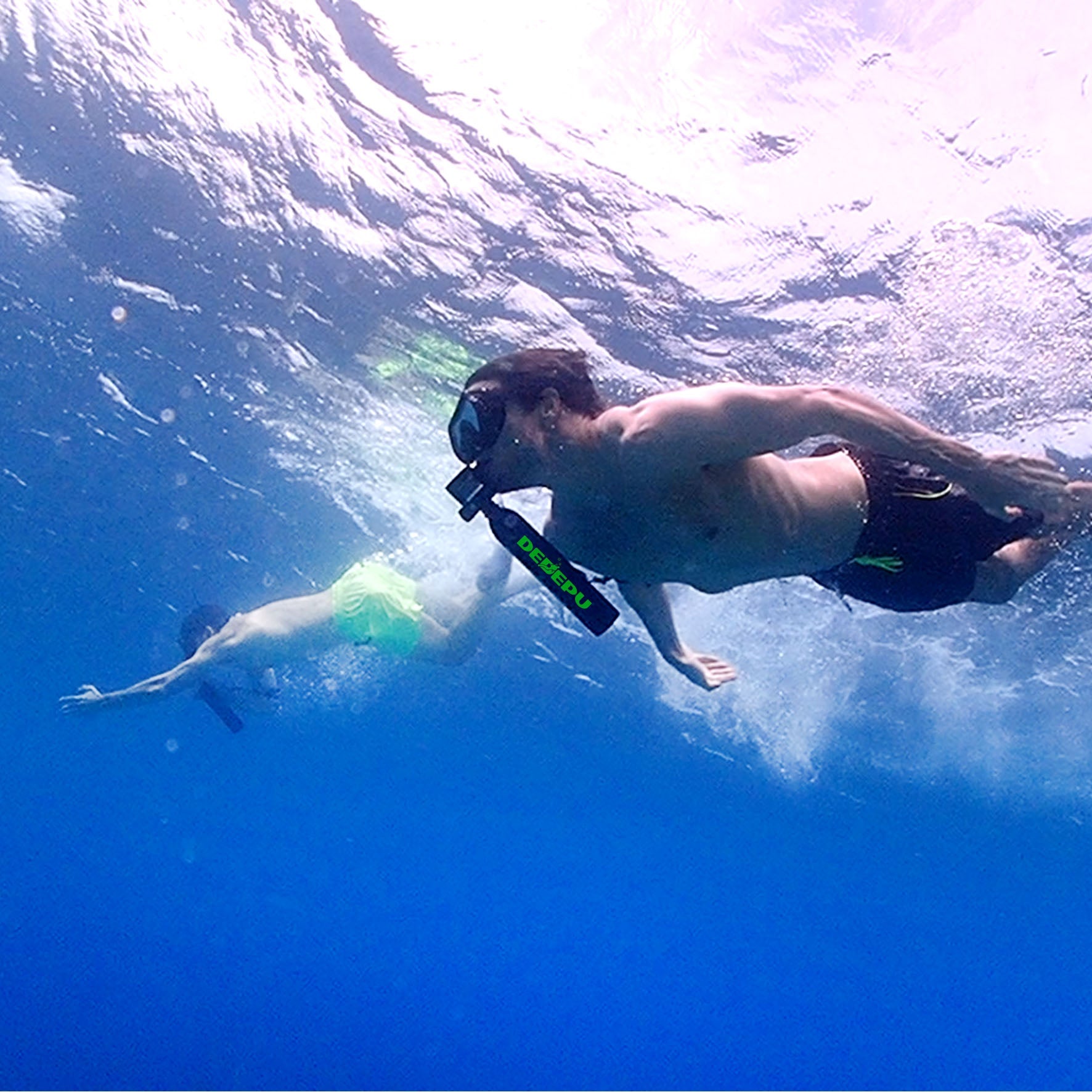
Capacity options range from 34-50 cubic feet (4.8-7.1L) models (e.g., Spare Air 34, XS Scuba Mini). Shallow water (≤12m) duration is 20-30 minutes, while deep diving (...
HP vs. LP Scuba Tanks丨Pros, Cons, and...
HP (High Pressure) cylinders have a working pressure of 300 bar (4351 psi) and are mostly made of carbon fiber or steel; LP (Low Pressure) cylinders have a working pre...