
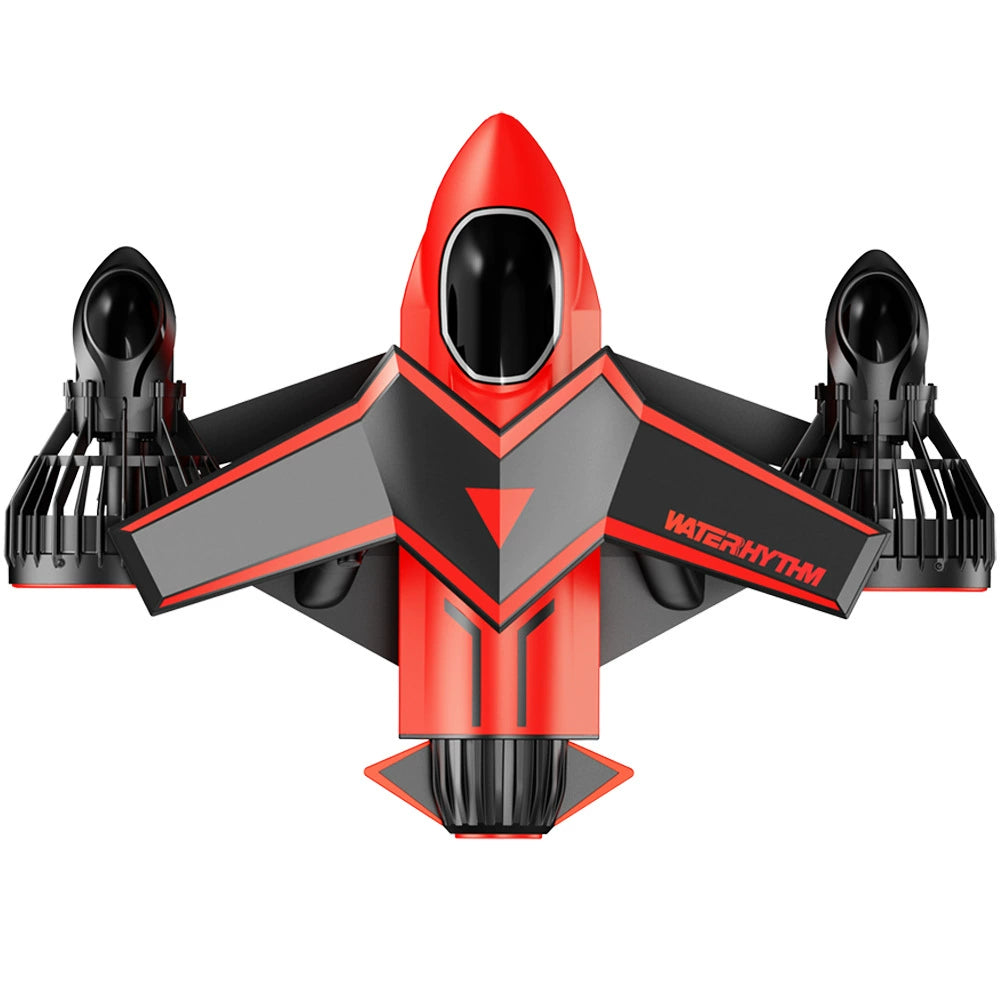

Small scuba tanks (typically 0.5L to 1L capacity) focus on being compact and lightweight, weighing only about 1.5 to 2.5 kg, making them ideal for shallow water recreation or as emergency backup air sources.
At a depth of 3-5 meters, a fully charged (200 bar) 0.5L tank typically provides only 5 to 10 minutes of breathing time, depending on individual underwater exertion and air consumption rates.
Although products are marketed as “easy to use,” they are by no means toys! To prevent fatal risks such as pulmonary barotrauma, even when using micro-tanks, you must hold a basic scuba diving certification (such as PADI OW) or use them under the guidance of a professional instructor; never enter the water untrained.

Capacity vs. Reality
Manufacturers often claim a 0.5L tank supports 10 minutes of breathing, but this is usually based on static surface tests. In reality, the resting minute volume (RMV) of an average adult at the surface is about 15-20L/min. Air consumption doubles for every 10 meters (1 ATM) of depth underwater.
Taking a 0.5L, 3000 PSI (approx. 100L of available air) tank as an example, during light swimming at a depth of 3 meters (10 feet) on a coral reef, actual usage time is typically reduced to 3-5 minutes. Water temperature, heart rate, and current resistance will accelerate the consumption rate.
Air Consumption Rate
Assessing the consumption status of a 0.5L tank in the shallow waters of the Florida Keys, current velocity interferes with kicking frequency. When battling a slight current of 0.5 meters per second, the oxygen demand of a diver's leg muscles climbs exponentially. Oxygen consumption in muscle fibers increases by approximately 300% compared to floating at rest.
The respiratory minute volume (RMV) can jump from 20L to the 28L-32L range. Air that would have lasted 4 minutes in a 0.5L tank will be exhausted within 2.5 minutes. The magnitude of limb movement is proportional to absolute air consumption. Below are the measured RMV changes for different underwater activities for divers in California:
-
Static hovering to observe marine life: 12L-15L/min
-
Maintaining a slow cruise at 0.2 m/s: 18L-22L/min
-
Swimming against a 1-knot current (approx. 0.5 m/s): 30L-35L/min
-
High-frequency erratic kicking in a state of panic: Over 40L/min
Water temperature significantly interferes with the body's Basal Metabolic Rate (BMR). In the 15°C (59°F) waters of Monterey Bay, heat loss is 25 times faster than in air. Entering the water without a 3mm Neoprene wetsuit causes the central nervous system to command muscles to trigger involuntary shivering to generate heat.
This physiological response increases heart rate by 15 to 20 bpm and respiratory frequency by 4 to 6 breaths per minute. The usable time of a 0.5L tank is further reduced by 15% to 20% in cold water environments. In the Caribbean Sea where water reaches 28°C (82°F), long stays still trigger slight heat loss, causing a 5% upward adjustment in baseline air consumption.
A significant amount of gas that does not participate in exchange accumulates in the respiratory Dead Space. Anatomical dead space includes the mouth, trachea, and bronchi, with an anatomical volume of about 150 ml in adults. In a shallow breathing pattern, 30% of the 500 ml of air inhaled per breath does not reach the alveoli. When the respiratory rate exceeds 20 breaths per minute, the total dead space gas not involved in oxygenation accumulates to 3 liters per minute.
Wearing a mask and mouthpiece extends the breathing path, increasing artificial dead space by about 50 ml. Below is a data comparison of optimized breathing patterns from US PADI instructor tests:
-
Rate 25/min, Tidal Volume 400 ml: Alveolar ventilation is only 6.25L/min
-
Rate 15/min, Tidal Volume 660 ml: Alveolar ventilation improves to 7.6L/min
-
Rate 10/min, Tidal Volume 1000 ml: Highest air utilization, dead space loss drops to 15%
When conducting external observations of shipwrecks in Oahu, Hawaii, the body's underwater posture (Trim) changes the frontal surface area. Swimming at a 45-degree tilt creates a frontal area 2.5 times larger than a streamlined horizontal posture.
Increased physical work stimulates carbon dioxide buildup in the blood, and the medullary respiratory center will force a command to accelerate gas discharge. Carrying external shark deterrents, waterproof flashlights, or handheld action cameras disrupts underwater streamlining. Adding 100 square centimeters of irregular frontal area generates about 0.8 kg of additional drag when swimming at 0.5 m/s.
The increase in RMV to overcome physical resistance is approximately 2L to 3L/min, shortening the bottom time of a 0.5L tank by about 30 seconds. Weighting deviations simultaneously consume extra oxygen. In the freshwater environment of Florida Springs, wearing excessive lead weights causes the torso to sink.
For every 1 kg of over-weighting, the extra kicking required to maintain neutral buoyancy burns about 1.5 liters of compressed air per minute.
The following physical factors consume tank reserves heavily during swimming:
-
3mm full wetsuit: Increases swimming drag by approx. 5%
-
Vertical treading (standing position): Oxygen consumption 40% higher than horizontal kicking
-
Facial muscle tension: Biting the mouthpiece too hard increases facial oxygen demand
-
Buoyancy control errors: Using arms to compensate for leg propulsion consumes 10% extra air
The density of air inside the tank changes as depth increases. 0.5L tanks rarely exceed 5 meters in depth; at 3 meters (1.3 ATA), gas density is 1.3 times higher than at the surface. As high-density gas passes through the first stage, second stage, and the human airway, turbulence and friction rise non-linearly.
Work of Breathing (WOB) at a depth of 3 meters is approximately 25% higher than at the surface. The diaphragm and external intercostal muscles must exert more force to expand the chest. The increased oxygen consumption of the diaphragm itself due to strong contractions offsets some of the oxygenation benefits of deep breathing.
In a 3-meter shallow reef test conducted in the Gulf of Aqaba, Red Sea, a 1L capacity tank had a starting pressure of 3000 PSI. With an RMV of 22L/min superimposed on 1.3 ATA of ambient pressure, the pressure gauge needle dropped an average of about 280 PSI per minute. Under conditions without strenuous exercise, the time to reach the safe 500 PSI warning line is less than 7 minutes.
Breathing Calculations
To evaluate the true endurance of 0.5L and 1L micro-tanks, Boyle's Law forms the underlying logic. At sea level, ambient pressure is 1 atmosphere (1.0 ATA, approx. 14.7 PSI). When diving in the shallow reef areas of the Maldives, absolute pressure increases by a fixed 1 ATA for every 10 meters (33 feet) of descent.
The air inside the tank is compressed by high pressure. When a 0.5L aluminum body is filled to 3000 PSI (207 Bar), it holds about 100 liters of atmospheric air. For every breath a diver takes, the lungs need to be filled with an equivalent volume at the current depth pressure. At 3 meters (10 feet) deep, the ambient pressure reaches 1.3 ATA.
Air that originally had a volume of 1 liter at the surface is compressed to 0.76 liters at a depth of 3 meters. To maintain normal alveolar expansion volume, the absolute amount of air inhaled per breath increases by 30%. For a 100-liter capacity 0.5L full tank, at a depth of 1.3 ATA, the breathable expanded volume drops to 76.9 liters.
The International Diving Medical Non-profit DAN (Divers Alert Network) provides a baseline RMV for an adult male sitting still on land of about 12L/min. After entering the water at La Jolla Cove, California, the heart rate rises from 70 BPM to 90 BPM.
Cold water stimulation combined with light anti-current kicking causes the average user's RMV to climb rapidly and stabilize between 20L and 25L/min. Setting a conservative RMV of 20L/min and applying the depth pressure variable, the air consumption rate at surface level is 20L/min.
The basic variable coefficients that change the underwater air consumption rate present the following physical and physiological characteristics:
-
Resistant swimming in shallow currents: +20%
-
Shivering due to water temperature below 20°C: +15%
-
Added drag from external photography equipment: +8%
-
Static stop to observe coral: -5%
-
Floating on the surface in a supine position: -10%
When a user takes a 0.5L tank down to a depth of 3 meters in a Florida freshwater spring, the air consumption per minute becomes 20L multiplied by 1.3 ATA, which is 26L/min. Dividing the 100 liters of total available air by the 26L/min consumption rate mathematically yields a theoretical bottom time of 3.84 minutes.
| Dive Depth (m/ft) | Absolute Pressure (ATA) | Actual Air Consumption Rate (RMV 20L/min) | 0.5L Tank (100L) Exhaustion Time | 1L Tank (200L) Exhaustion Time |
|---|---|---|---|---|
| Surface (0m / 0ft) | 1.0 ATA | 20.0 L/min | 5.0 minutes | 10.0 minutes |
| 1.5 meters (5 ft) | 1.15 ATA | 23.0 L/min | 4.3 minutes | 8.6 minutes |
| 3.0 meters (10 ft) | 1.3 ATA | 26.0 L/min | 3.8 minutes | 7.6 minutes |
| 5.0 meters (16 ft) | 1.5 ATA | 30.0 L/min | 3.3 minutes | 6.6 minutes |
A diving tank cannot be drained to 0 PSI underwater. Professional diving training systems like PADI mandate a reserve of 500 PSI (approx. 35 Bar) as a safety margin for returning to the surface. After deducting 16% for the reserve pressure, the actual safely usable air for a 0.5L tank at a depth of 3 meters drops to 64 liters.
Applying 64 liters to the 26L/min consumption formula, the user's true bottom time is compressed to 2.46 minutes. If a 1L specification tank is used, filled to the same 3000 PSI pressure, the atmospheric air reserve doubles to 200 liters.
Similarly, after deducting the 500 PSI safety reserve, the effective air supply for a 1L tank at 1.3 ATA is 128 liters. For a task like replacing zinc anodes on the bottom of a yacht in the Bahamas, maintaining a basic RMV of 20L/min, a 1L tank can support 4.92 minutes of operation.
Small changes in breathing depth and frequency are magnified under high pressure. Developers of the Recreational Dive Planner (RDP) set tidal volume standards at 0.5L to 0.8L per breath. Seeing a sea turtle in Hawaii might cause a heart rate spike to 120 BPM, accelerating the breathing rate to 30 times per minute.
With 0.8L of air per inhalation, the RMV would reach 24L/min. At this point, the consumption rate at 3 meters depth becomes 31.2L/min. The 64 liters of air in a 0.5L tank, excluding safety reserves, can only sustain 2.05 minutes of air supply.
Physical airflow is also affected by the output resistance of the tank's First Stage. Micro-tanks often use a piston structure; when internal pressure drops below 1000 PSI, the Intermediate Pressure (IP) output to the second stage may drop slightly from 140 PSI to 125 PSI.
The decay of air supply performance for piston first stages in low-pressure ranges shows specific step changes:
-
1000 PSI mark: Intermediate pressure drops slightly to 135 PSI
-
800 PSI mark: Maximum air supply per breath decays by 4%
-
600 PSI mark: Resistance to Work of Breathing increases by 15%
-
500 PSI mark: Entering the red line warning zone requires surfacing
The decay in air output forces the diaphragm to increase its contraction amplitude, making the user subjectively feel that inhalation is "tighter," leading to an unconscious increase in individual breath effort. This extra work raises the overall oxygen demand. Equipment tests in the Aegean Sea, Greece, showed that consumption from the final 1000 PSI down to 500 PSI is about 12% faster than in the preceding stages.
Gay-Lussac's Law governs gas behavior during the filling phase. Tanks are made of 6061 aluminum alloy; when filled to 3000 PSI via a portable compressor, internal gas friction can generate heat up to 45°C (113°F).
Jumping into 20°C (68°F) water in Cancun, Mexico with a freshly filled tank causes a sudden 25°C temperature drop, resulting in gas contraction. The initial internal pressure will drop by approximately 200 PSI out of thin air, leaving only 2800 PSI available upon entry. Thermal decay during filling loses about 6% of total capacity, reducing a nominal 100-liter volume to 94 liters at the start of the dive.
The Refilling Dilemma
Small tanks (0.5L-2.0L) have a working pressure of 3000 PSI (200 Bar), which is equivalent to 80 times the pressure of an average car tire.
Users have only four ways to replenish high-pressure air: using a high-pressure hand pump requires 600-800 continuous strokes (taking about 25 minutes); purchasing a portable high-pressure electric compressor requires an equipment expenditure of $300 to $600; using a Yoke fill bridge requires reliance on a full standard AL80 (11.1 liter) scuba tank; if going to a commercial dive shop in Hawaii or Florida, tanks lacking DOT certification stamps and current VIP (Visual Inspection) stickers will be refused service.
Physical Limits
The piston cross-sectional area of an average bicycle pump is large, pushing about 300 ml of air per downstroke up to a maximum of 100 PSI. Filling a 0.5L scuba tank to 3000 PSI (200 Bar) is a completely different physical process. High-pressure hand pumps use a three-stage independent compression chamber design. The first stage intake diameter is about 30mm, while the third stage high-pressure rod diameter shrinks to around 6mm.
-
The first stage chamber compresses atmospheric air to 500 PSI.
-
The second stage chamber boosts pressure to the 1500 PSI range.
-
The third stage micro stainless steel piston finally pushes pressure above 3000 PSI.
-
A single full up-and-down stroke covers about 50 cm.
-
The volume of air effectively pushed into the tank per stroke is only 15 to 20 ml.
To fill a 0.5L tank from a residual pressure of 500 PSI to a full pressure of 3000 PSI, physics-based gas equation calculations show that about 100 liters of atmospheric air must be forced into the bottle. Based on 15 ml per stroke, the user needs to complete approximately 650 to 750 standard piston cycles.
Once the pressure gauge exceeds 1500 PSI, pulling the handle up requires overcoming the vacuum suction of the third-stage chamber. When pushing down to compress air, the 6mm piston must fight against 100 Bar of back-pressure transmitted from the bottle. If the operator weighs less than 130 lbs (approx. 59 kg), it is very difficult to press the handle to the bottom using only upper body weight.
In the high-temperature environments of Miami or California beaches, performing 300 continuous squat-style downward presses with resistance will cause the human heart rate to climb rapidly to over 140 bpm. The muscular system consumes about 250 to 300 kcal, equivalent to a high-intensity cardio workout on a rowing machine.
The rapid reduction in gas volume is accompanied by intense heat release. High-pressure work heat gathers at the third-stage compression outlet at the base of the pump. After 50 quick continuous strokes, the surface temperature of the stainless steel shell at the pump base will soar from a room temperature of 25°C to between 70°C and 85°C.
-
Internal PTFE (Teflon) seals have a tolerance limit of approx. 260°C.
-
Rubber O-rings accelerate aging and become brittle in environments consistently above 80°C.
-
Silicone lubricant viscosity decreases at high temperatures, losing its sealing effect.
-
Different thermal expansion rates of metal pump tubes lead to minute high-pressure gas leaks.
Manuals specify that for every 5 minutes of continuous pumping (approx. 100 strokes), operation must stop and the bleed valve must be opened to allow the equipment to cool in a shaded area for 10 minutes.
Completing 700 strokes includes at least 5 to 6 cooling cycles. The total physical time to fill a 0.5L tank is forced to stretch to 25 to 35 minutes. It is difficult for a user to manually pressurize two or three micro-tanks in a short period.
In diving destinations like Hawaii or the Caribbean, sea-level relative humidity remains between 70% and 85% year-round. Every cubic meter of atmospheric air contains about 15 to 20 grams of liquid water vapor.
The intake at the top of a hand pump is usually only equipped with a 2cm diameter primary sponge. Large dust particles are intercepted, but gaseous water molecules enter the compression chamber easily. When air containing 15g of moisture is instantly compressed to 1/200th of its volume, the water vapor reaches its saturation dew point and immediately condenses into liquid droplets.
-
High-pressure water droplets accumulate on the inner walls of the 50cm flexible fill hose.
-
Some liquid water is sprayed into the 6061 aviation aluminum tank along with the high-pressure airflow.
-
Moisture in salt-mist environments contains trace chlorine ions, accelerating electrochemical corrosion.
-
Lack of molecular sieve dehydration means the output humidity far exceeds the CGA standard of 67 ppm.
Liquid water residing under high pressure reacts with high-pressure oxygen, which can generate white aluminum oxide powder at the bottom of the aluminum bottle within months. High-pressure airflow carries this powder out into the regulator, easily jamming the 1.5mm high-pressure valve seat inside the first stage.
To drain accumulated water from the lines, the hand pump base features a tiny brass bleed screw. Every 50 strokes, the operator needs to unscrew it, allowing the high-pressure water droplets mixed with trace silicone oil to be ejected from the pump body along with the sound of the airflow.
The action of unscrewing the bleed screw causes the pressure in the fill hose, which has already reached 2000 PSI, to instantly drop to 0. After retightening the screw, the operator needs an additional 10 to 15 strokes just to re-establish 2000 PSI in the hose before the tank's check valve will open again to continue filling.
Compliance Standards
Walking into a commercial dive shop in Key West, Florida, with a 1.0L micro-tank, the Fill Station Operator (FSO) will first check the metal tank shoulder. High-pressure vessels must have a legal physical identity brand.
The US Department of Transportation (DOT) requires all metal tanks under working pressure to have physical stamps.
-
DOT-3AL: Represents seamless aluminum alloy tank material
-
3000: Denotes a maximum working pressure of 3000 PSI
-
M-number: Federally registered manufacturer's independent tracking code
-
Water capacity: Liters accurate to one decimal place
0.5L tanks sold on Amazon or eBay are often smooth-surfaced with only a laser-printed sticker. A sticker will wrinkle and peel off after two soaks in Caribbean saltwater and carries no legal weight for a fill station.
Operating a Bauer commercial compressor with an output of 3200 PSI and connecting it to a container without DOT stamp certification violates US Occupational Safety and Health Administration (OSHA) workplace safety regulations.
An unverified 1.0L aluminum bottle, if it suffers a physical rupture at 200 Bar pressure, generates a shockwave sufficient to destroy a 100-square-foot fill room.
The regulatory framework for the European market follows the Pressure Equipment Directive (PED) 2014/68/EU. All scuba tanks circulating within the EU must have the CE mark physically engraved on the metal surface.
The Transportable Pressure Equipment Directive (TPED) also requires the Greek letter Pi (π) symbol.
In addition to factory stamps, internal manuals of international diving organizations like PADI and SSI require that tanks hold a current year's Visual Inspection (VIP) sticker.
-
Using a high-intensity cold light source to detect rust on internal walls
-
Checking the depth of electrochemical corrosion on neck threads
-
Measuring metal deformation in O-ring grooves
-
Verifying the 5000 PSI rating of the burst disc
The neck diameter of a standard 12L aluminum tank is about 1.9 inches, allowing a certified technician to easily insert a UV probe light. The valve opening of a 0.5L micro-tank is often only 15mm.
Standard VIP probe lights and mirrors cannot enter a narrow 15mm channel. Technicians cannot see if white aluminum oxide powder has accumulated on the aluminum inner walls due to the use of inferior hand pumps.
Without a complete internal light inspection, a dive shop cannot place a VIP sticker with the current month punched on the bottle. The filler will refuse to connect the fill whip to a container without a punched sticker.
The five-year Hydro Test constitutes another physical barrier. Federal regulations require aluminum tanks to be sent to independent testing facilities every 60 months for volumetric expansion measurements.
Testers fill the tank with colored water and place it inside a heavy steel water-jacket test chamber. A hydraulic pump pushes internal pressure to five-thirds of the working pressure, or 5000 PSI.
-
Recording total expansion in milliliters under pressure
-
Measuring the percentage of permanent deformation after depressurization
-
If permanent expansion exceeds 10%, it is immediately drilled and scrapped
The wall thickness of micro-tanks is typically only 3mm to 4mm to keep the weight within 1.2 kg. Standard hydro test fixtures simply cannot secure the tiny 1-inch neck threads of a 0.5L tank.
A hydro test station in Los Angeles charges between $40 and $60 per test. Since many micro-tanks purchased by users cost only $80, high testing costs make regular testing economically irrational.
Standard scuba tanks use CGA 850 Yoke or DIN 300 interfaces. Commercial fill station whips are equipped with standard Yoke or DIN brass connectors.
Micro-tanks integrate the regulator and fill port into a non-standard unified brass head. An operator cannot plug a $15,000 Mako compressor line into an unfamiliar micro-fill nozzle.
Users sometimes bring their own brass adapter purchased online. Dive shop owners will refuse to use third-party connectors provided by customers that lack any pressure test reports.
Introducing a non-standard brass adapter adds a weak point to a 3000 PSI high-pressure line. A burst O-ring creates 110 decibels of noise, and the jet of high-pressure air can easily sever a person's finger.
Commercial dive shops typically charge between $5 and $8 for a single fill. Faced with a micro-tank with a non-standard adapter, a fill station operator will refuse to press the compressor start button according to safety protocols.
Financial Expenditures
A basic 12V/110V oil-free air-cooled compressor rated for 3000 PSI (200 Bar) retails for between $250 and $400. Adding the approximately $100 unit price of a 0.5L aluminum tank, the initial purchase cost of underwater breathing gear climbs to the $350 to $500 range.
The $300-level portable pumps on the market are designed for Paintball or PCP air rifles, equipped only with a primary filter tube about 10 cm long stuffed with white synthetic cotton at the output end.
-
Adding a 15-inch external aviation aluminum activated carbon filter cylinder requires an extra $120 to $180.
-
Mixed filter media packs of molecular sieve (to remove moisture) and activated carbon (to absorb odors) cost about $15 to $25 each.
-
After every 15 to 20 fill cycles of a 0.5L tank, the filter cylinder must be disassembled to replace the internal media pack.
-
Ignoring consumable replacement results in trace carbon monoxide and oil vapor being forced into the aluminum bottle.
Water-cooled oil-lubricated compressors are usually listed on Amazon for $180 to $250. Operating a water-cooled machine requires setting up an additional circulating water network; users must prepare a 5-gallon bucket, plenty of ice, and a micro submersible pump to maintain system cooling.
Oil-lubricated equipment poses higher filtration requirements for breathing safety. Under high pressure and temperature, Grade 46 anti-wear hydraulic oil or 5W-40 full synthetic motor oil generates hydrocarbon vapors. A three-stage filtration system capable of reaching CGA Grade E breathing standards (oil vapor below 5 mg/m³) brings the single-unit purchase price to $400 to $600.
| Equipment/Accessory Category | Average Amazon Price (USD) | Consumable Replacement Cycle | Amortized Cost per Fill (USD) |
|---|---|---|---|
| 12V/110V Oil-free Air-cooled Compressor | 320.00 | Replace piston rings after 250 fills | 1.28 |
| PCP/Scuba External Oil-Water Separator | 145.00 | O-rings replaced annually | 0.85 |
| Molecular Sieve/Activated Carbon Media | 22.50 | Replace every 15 fills of 0.5L | 1.50 |
| 4500 PSI Burst Discs (10-pack) | 12.00 | Replace as needed after random burst | 0.15 |
The rated operating current for a 12V DC compressor is as high as 25 to 30 Amperes. Plugging it into a car cigarette lighter (usually limited to 15A) will instantly blow the vehicle's internal 15A fuse.
Users must purchase 10 AWG power cables with thick pure copper alligator clips to physically connect to the lead-acid battery terminals under the car hood. If using AC power in an indoor garage, purchasing an industrial-grade switching power adapter that can stably output 12V 40A (approx. 480W) costs between $45 and $70.
The final stage cascade piston rings of high-pressure compressors are machined from PTFE and wear very quickly under 3000 PSI and 80°C high-temperature friction.
-
Repair kits containing PTFE high-pressure piston rings and brass check valves cost about $35 to $50.
-
The micro pressure gauge (range 0-6000 PSI) at the end of the high-pressure hose is easily knocked out of calibration by vibration; replacement costs $18.
-
The DC brushless motor of the cooling fan easily jams and rusts in salt-mist environments; original parts are about $25.
-
Shipping an 18-pound faulty compressor back to a repair center in Texas costs over $30 for one-way UPS shipping.
To extend piston life, manuals specify that continuous operation should not exceed 15 minutes. To fill a 0.5L tank from 0 to 3000 PSI, a basic air-cooled compressor takes exactly 12 to 15 minutes. To fill three micro-tanks in a row, a 20-minute wait between each fill is required to let the metal cylinder block cool down.
For an underwater exploration on the California coast totaling about 30 minutes (consuming three 0.5L tanks), one needs to spend nearly an hour and a half in the garage beforehand for equipment assembly, ice-water cooling prep, filter check, and enduring up to 85 decibels of machine noise.
The total bill for a complete fill station, including a high-pressure compressor, breathing-grade filter, spare media, heavy-duty power cables, and water-cooling accessories, usually fluctuates between $650 and $850.
An investment of over $800 in hardware strips the financial advantage from a cheap $100 micro-tank. The total expenditure already exceeds the cost of a two-and-a-half-year bundle for renting standard AL80 (11.1 liter) tanks from a PADI-certified dive shop in Florida.
Ultimate Portability
Small tanks of 0.5L to 2L typically have lengths between 25cm-35cm, diameters of only 6cm-9cm, and weights kept within 1.1kg-2.2kg (excluding the regulator).
In a 3000 PSI filled state, their volumetric energy ratio is extremely high, allowing them to fit into standard 18-inch/20-inch international carry-on suitcases. Using an 8mm quick-connect interface and modular split design, assembly can be completed with one hand.
Carrying Solutions
During shore diving on the Florida coast, divers must walk from a parking lot across the beach to the entry point. Carrying a standard aluminum AL80 tank weighing 14.3 kg on soft sand is physically draining. Switching to a 1L micro-tank weighing 2.1 kg reduces the total equipment weight for a single person's trip by 85%.
The 35 cm cylindrical bottle can be tucked vertically into the side pocket of a 30L Osprey waterproof backpack. Upon reaching the entry reef at La Jolla Cove, California, the diver simply unzips the bag and spends 5 seconds rotating the connection between the first and second stages. The diver does not need to wear a Buoyancy Control Device (BCD) and can enter the water just wearing a neoprene wetsuit.
On a catamaran sailing in the Caribbean, storage space is measured in cubic centimeters. Standard large-volume tanks must be secured in dedicated stainless steel racks at the rear of the deck, exposed to high-salinity air. Micro-tanks have a very small aspect ratio and an outer diameter of 8.5 cm.
Crew members can store them alongside wrenches and screwdrivers in a standard 40cm x 30cm toolbox in the bilge. When a yacht propeller is fouled by discarded fishing nets 2 meters below the surface, an operator dons a nylon tactical belt with D-rings and mounts a 0.5L tank to dive and clear it.
-
Dry Box Storage: Using a Pelican 1450 case with internal dimensions of 37x26x15 cm allows for two 1L tanks and breathing components to be stored side-by-side.
-
Waist Carry System: Utilizing a 5cm wide nylon webbing with stainless steel snaps, the tank is secured to the side of the waist to reduce underwater drag.
-
Freshwater Rinsing: Due to its compact size, it can be placed in a 5-liter portable folding bucket for soaking and desalination after surfacing.
-
Quick-clip Attachment: Equipped with a brass double-ended bolt snap, the tank can be physically attached to or separated from a harness in 3 seconds with one hand.
For a freshwater adventure at Lake Tahoe, situated at an altitude of 1897 meters in the Sierra Nevada, there is a 2.5 km rocky trail from the roadside to the lakeshore. Carrying heavy diving gear for long-distance hiking is not feasible. Two divers can each carry a 50L hiking backpack containing a 1L tank, a high-pressure manual pump, mask, and fins.
The folded length of the high-pressure manual pump is 60 cm, weighing about 2.6 kg, and is strapped to the sleeping pad attachment point on the outside of the backpack. On the lakeshore rocks, using the three-stage compression manual pump for about 800 strokes over 25 minutes refills the tank from 50 Bar back to the 200 Bar working pressure.
This hardware configuration allows divers in wild environments far from compressed air stations to achieve 3 to 4 dives per day in 5-meter shallow areas, each lasting 8 to 10 minutes. Many lava tube cave entrances in the Hawaiian Islands are 1 to 3 meters underwater, making topographic surveys impossible on a single breath of freediving.
Carrying a 0.5L capacity, 1.2 kg backup air source, the diver grips the silicone mouthpiece before descending, ensuring no physical collisions with rock walls while navigating narrow basalt crevices.
-
Cave Surveying: The tank is strapped horizontally to the outer thigh, connected to the second stage via a 60 cm medium-pressure hose to maintain a streamlined profile.
-
Underwater Photography: With a waterproof camera housing and dual strobes in the left hand, a 2.2 kg 2L tank is secured in an independent back pouch.
-
Cold Water Backup: Used as a redundant air source in 4°C water, with anti-freeze silicone grease applied to the tank valve to prevent ice-ups.
In the resort islands of the Maldives, tourists on seaplanes are limited to a 15 kg hand luggage allowance. By removing the brass breathing valve head and inverting the bottle to drain residual air, the 900g empty aluminum bottle complies with FAA and local airline regulations for aircraft transport.
Upon reaching the hotel water villa, the user connects the portable 12V oil-free air compressor brought along. The device power is 250W with noise kept under 75 decibels; connecting to the indoor 110V AC power or a yacht battery fills a 0.5L tank in about 12 minutes. After suiting up on the private terrace walkway, the user jumps into the 2.5m deep coral reef area below.
International Aviation
The US Transportation Security Administration (TSA) explicitly states in 49 CFR 175.10 that all compressed gas containers must have the valve completely removed to be allowed on board. Divers must use a 19 mm open-end wrench to counter-clockwise remove the first-stage breathing assembly weighing approx. 350 g. The internal pressure gauge must read 0 PSI to ensure pressure equilibrium between the inside and outside of the container.
With the valve removed, the bottle neck presents a 1.8 cm diameter opening for easy inspection. Using a 500-lumen inspection light allows for clear observation of the smooth inner walls of the 6061-T6 aviation aluminum. The tank shoulder is clearly stamped with DOT-3AL 3000, a standard that meets US Department of Transportation permits for seamless aluminum alloy cylinders.
The International Civil Aviation Organization (ICAO) typically limits carry-on luggage dimensions to 56 x 36 x 23 cm. A 0.5-liter small tank is 35.5 cm long with a base diameter of 6 cm. Placing it horizontally in a 20-inch standard suitcase occupies only about 1.5 liters of physical volume at the bottom.
Delta and Lufthansa often set a weight limit of 8 kg for carry-on luggage. An empty 1L tank weighs 2.1 kg, and the removed regulator set weighs about 0.6 kg. This combination accounts for about 33% of the total limit, leaving enough space for a 3 mm thick wetsuit and lightweight fins.
-
Physical Separation Verification: The valve and bottle must be placed separately in transparent bags to allow security personnel to complete visual confirmation within 15 seconds.
-
Odor Residue Detection: The inner wall must remain dry with no more than 0.1% oil mist or moisture residue to avoid triggering chemical sensor alarms.
-
Thread Protection Measures: Place a silicone protective cap on the 5/8"-18UNF standard threads to prevent physical deformation of more than 0.1 mm during conveyor transport.
-
Aviation Code Declaration: When checked as sporting equipment, it can be declared as an "empty pressure vessel" exempt under IATA Dangerous Goods Regulations.
-
Pressure Gauge Protection: Analog gauges should be wrapped in 20 mm thick bubble wrap to withstand potential 0.5G impacts in the cargo hold.
-
Label Removal Requirements: Remove any temporary labels on the bottle marked "Compressed Air" to prevent ground crew from misjudging it as being under pressure.
| Transport Method | Compliance Status Requirement | Technical Parameter/Code | Estimated Cost and Restrictions |
|---|---|---|---|
| Carry-on | Valve fully separated + Open bottle neck | TSA 49 CFR 175.10 | Free (counts toward 8-10kg limit) |
| Checked | Open placement + Buffered packaging | FAA DOT-3AL certified | Occupies 23kg checked allowance |
| International Express (FedEx) | Non-hazardous declaration | HS Code 7613.00.0000 | Exempt from $55 Hazmat surcharge |
| Freight Logistics (Sea/Air) | Original packaging + Factory certificate | UN 1002 Exemption standard | Chargeable weight approx. 1.5kg-2.8kg |
For international customs clearance, the applicable Harmonized System (HS) code for this equipment is 7613.00, defined as an aluminum pressure vessel. In the EU, personal sporting equipment under this code typically enjoys 0% import duty, with only VAT payable according to national standards. Attaching CE EN131 certification documents to clearance papers can shorten technical inspection cycles by about 48 hours.
If sent via DHL or FedEx, as internal pressure is zero, the item is not classified as IATA Class 2.2 Non-flammable Gas. With a gross weight kept under 1.5 kg, shipping from Los Angeles to London costs between $45 and $60. Using this split-shipping method avoids the 7-day approval process required for dangerous goods transport.
While cruising at 35,000 feet, ambient pressure drops to 0.75 atmospheres. With the valve removed, the internal pressure of the empty bottle drops synchronously, resulting in no outward stress on the walls. 11.2 x 2.65 mm nitrile rubber O-rings maintain elasticity in cold cargo holds, preventing leaks upon reassembly.
After arriving at the dive site, on a clean towel, align the first-stage threads with the bottle neck, hand-tighten, and apply 15 Newton-meters (Nm) of torque. Once connected, proceed to a local PADI or SSI certified dive shop for filling via a commercial compressor.
During island-hopping in the Bahamas or Hawaii, seaplane weight policies are extremely strict. Models like the Cessna 208B typically only allow 15 kg of luggage. Compared to a standard 80cf aluminum tank weighing 14 kg, the small tank solution reduces the load by about 12 kg, saving approximately $60 in one-way overweight fees.
-
Fill Interface Compatibility: The accompanying 8 mm quick-connect fits more than 95% of high-pressure hand pumps or electric compressors worldwide.
-
Hydro Test Cycle: The test date printed on the bottle must be within the 5-year validity period; otherwise, local dive shops will refuse 3000 PSI fill services.
-
Salinity Removal Protocol: Before international flights, rinse the neck threads with freshwater for 3 minutes to prevent residual salt crystals from corroding the O-ring grooves.
When entering the Maldives, customs inspection for bulk diving gear is strict, but a single small tank is viewed as a personal travel item. Presenting an ISO 11119-3 production standard certificate can prove its industrial-grade safety.
Stored in a rolling protective case like the Pelican 1510, pre-cut foam secures the tank, regulator, and gauge. The protective case is IP67 rated for water and dust resistance, maintaining a low humidity environment of around 20% during humid island transfers.




Dejar un comentario
Todos los comentarios se revisan antes de su publicación.
Este sitio está protegido por hCaptcha y se aplican la Política de privacidad de hCaptcha y los Términos del servicio.