
Steel vs. Carbon Fiber Cylinders | We...
Steel (chrome-molybdenum steel) has a high density; the 7L/230bar model has an empty weight ≈4kg, and a total weight ≈6.1kg when full (7L×230bar=1610L of air, weight ≈...
Portable Diving System Accessory Guid...
Cylinders: Select aluminum (3L/200bar, empty weight 1.8kg, full weight 2.6kg) or carbon fiber (9L/300bar, empty weight 1.8kg). Avoid scratches; wipe dry after immersio...
Essential Accessories for Small Air T...
Valves preferred are DIN inline valves (5/8-inch 17E thread, depth 46/55mm), pressure rated at 300bar (4350psi), installed with a dedicated wrench (torque 25-30N·m), f...
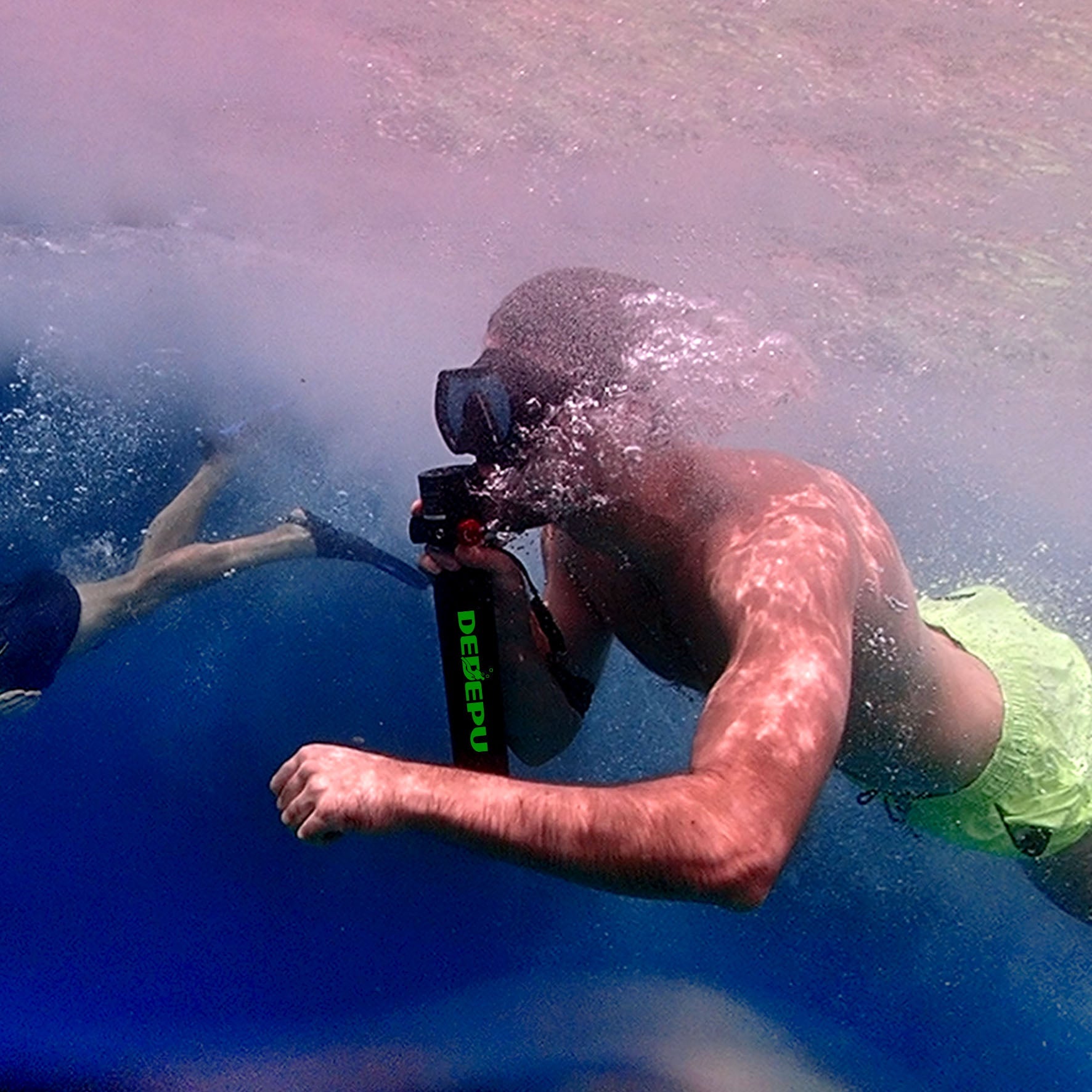
Aluminum vs. Steel Small Air Tanks | ...
Aluminum (6061-T6 aluminum) is lightweight. The 3L/200bar model has an empty weight ≈1.8kg, and a full weight (3L×200bar=600L air, weight ≈0.77kg) total weight ≈2.6kg;...
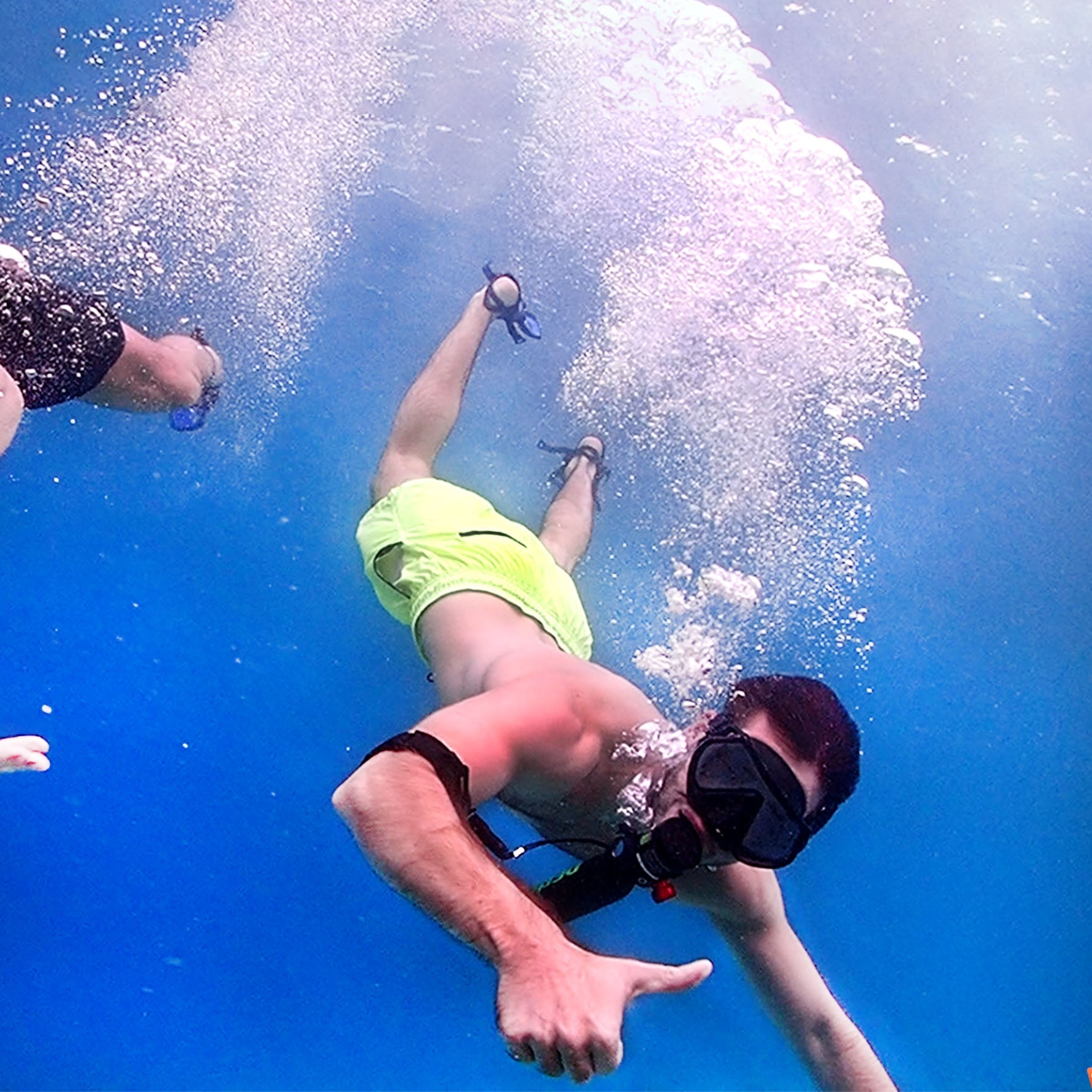
Small Air Tank Types丨Aluminum, Steel,...
Aluminum Cylinders (e.g., 6061-T6 Aluminum): Lightweight and corrosion-resistant, provides positive buoyancy after inflation (requires weights). Common 3L/200bar model...
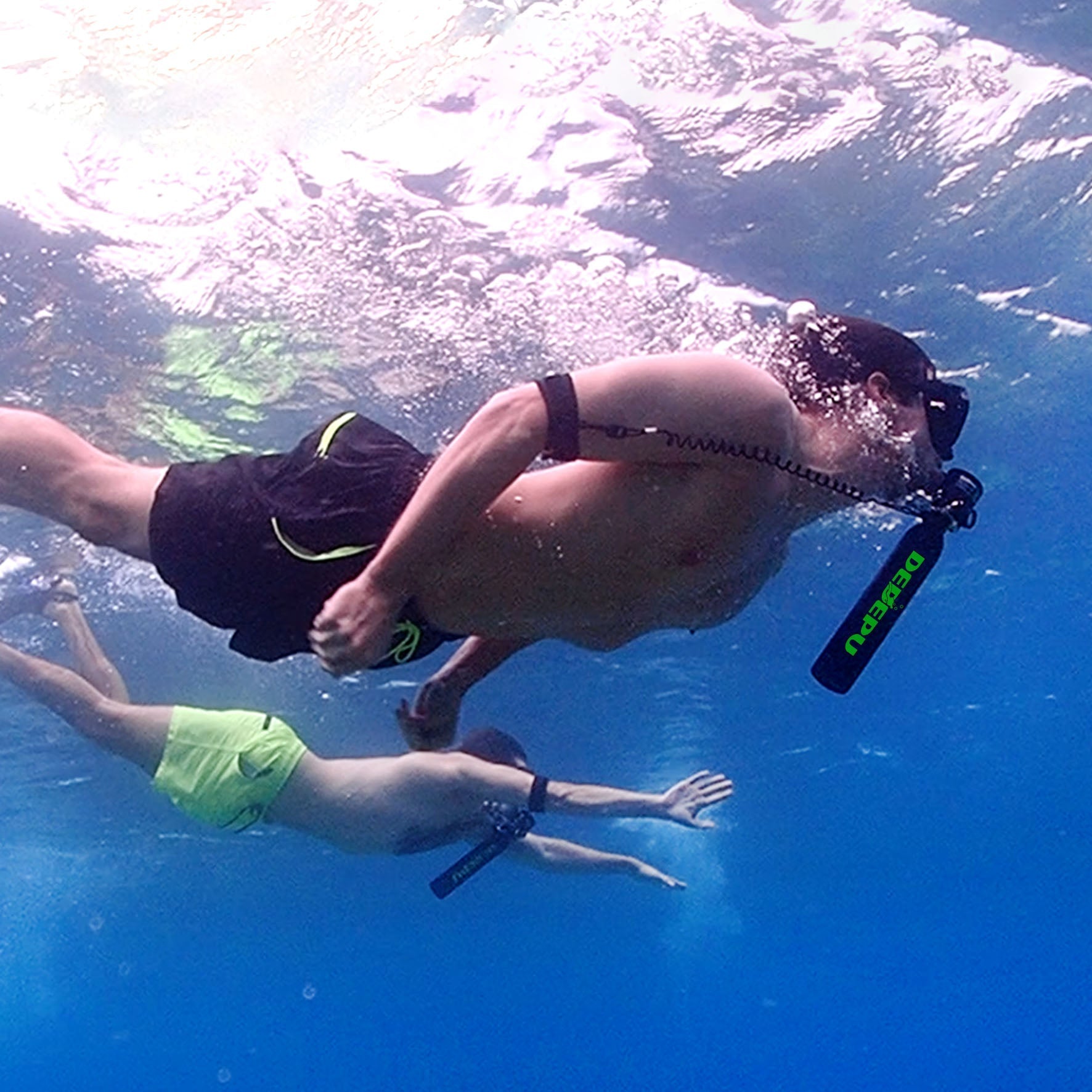
Diving Cylinder Valves | Difference B...
Differences lie in structure and connection methods: K-Valve (Yoke Valve) is a flange type, clamped to the cylinder mouth by an A-clamp (inner diameter approx. 32mm). ...