

Does mini tank expire? Storage advice...
Bottle degradation generally begins visibly at temperatures above 70°C (158°F); prolonged exposure weakens plastic. To check seals: press the lid down, turn the tank u...
Maintain mini cylinder: 6 cleaning ti...
Weekly lubrication is essential: apply 2-3 drops of manufacturer-specified oil or a thin layer of grease (ISO VG 32 equivalent) to the piston rod before each shift. Af...
Emergency protocols with mini tanks: ...
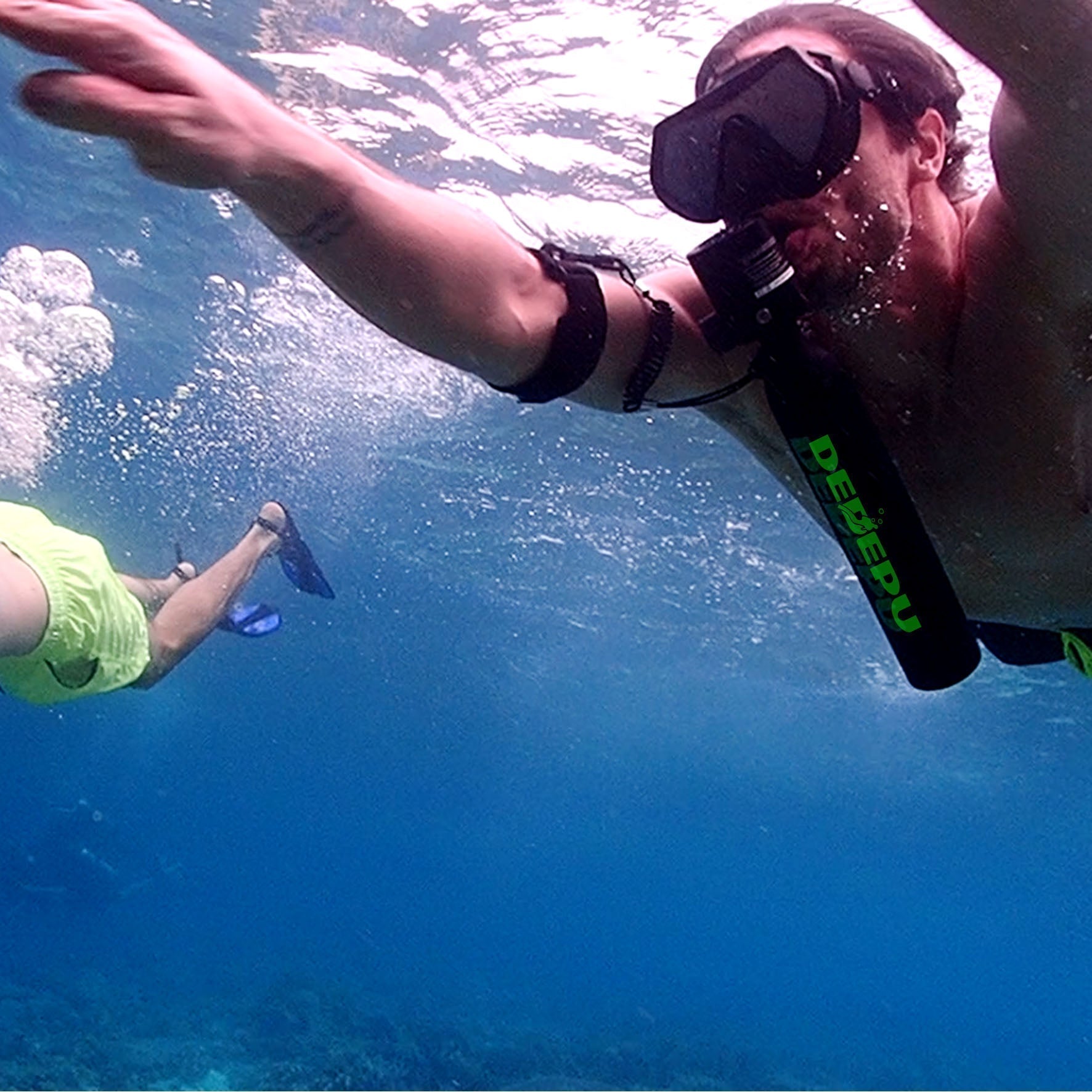
Operate Valve Slowly: Turn tank valve ¼ counterclockwise—sudden opening risks regulator freeze. Confirm Seal: Inhale gently; no water ingress means good seal. Exhal...

Beginners guide: Using mini scuba tan...
Always start by visually inspecting your tank for dents or corrosion and check its air pressure gauge. Most mini tanks are 2.3L or less in volume. The gauge must read ...

Using mini tanks for snorkeling: gear...
When using a mini tank, common sizes are 1.0L or 1.5L, pressurized to 200 bar (3000 PSI). Empty weights are 1.5kg and 2.0kg respectively; full weights add ~1kg and ~1....
Pros and cons of mini scuba dive tank...
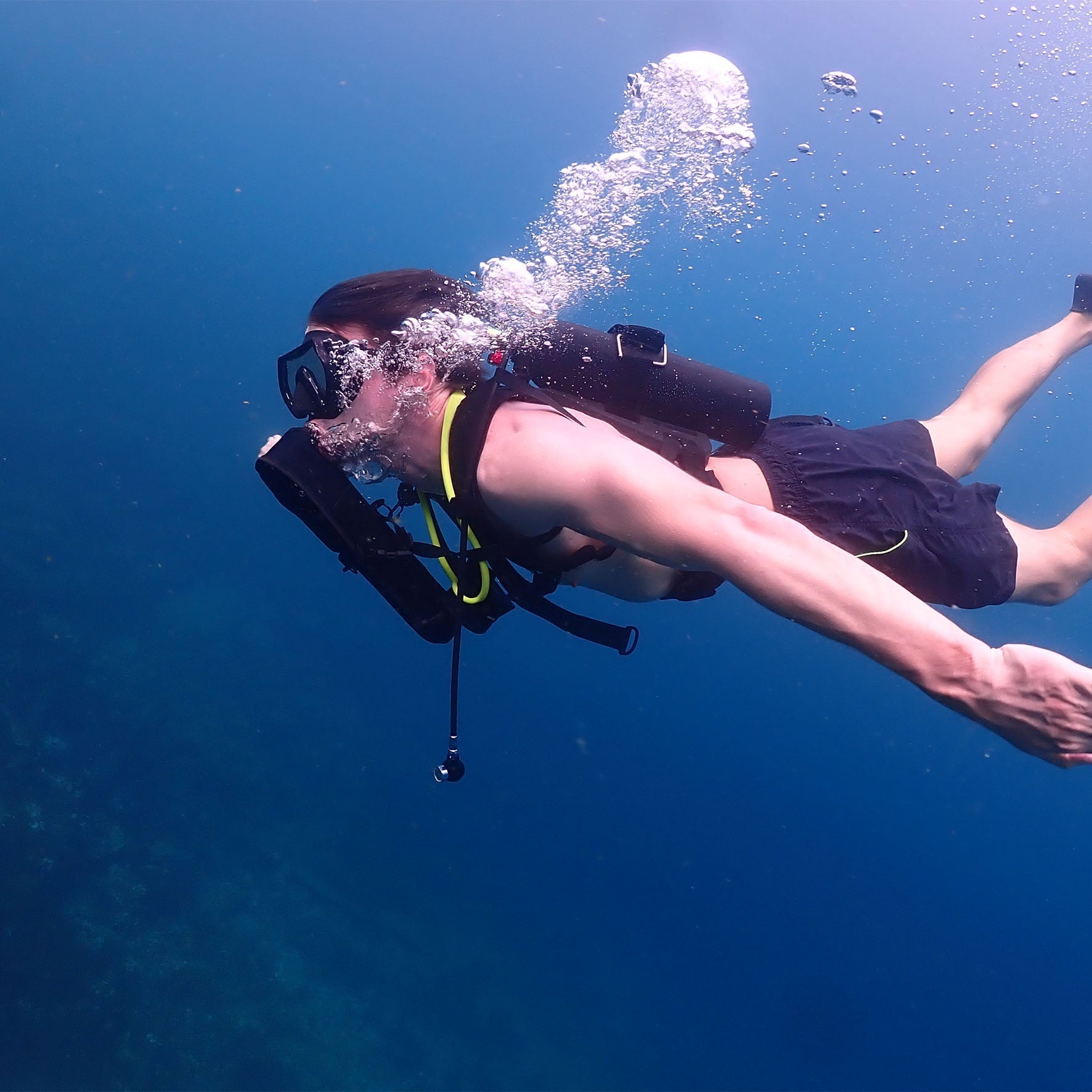
"Mini scuba tanks, offering 3 cubic feet or less of air (compared to standard 80+ cubic feet tanks), provide a highly portable option for brief underwater excursions. ...