
Pressure Gauge Accuracy: 6 Calibratio...
Pressure gauge accuracy is verified through 6 calibration checks to ensure reliable performance, with each test measuring deviations against a reference standard; typi...
Essential Snorkeling Gear: 6 Items fo...
For a safe and enjoyable snorkeling experience, six essential items are required: a well-fitting mask (with silicone seals for comfort), a dry-top snorkel (to prevent ...
Aluminum Scuba Tanks: 5 Benefits Vs S...
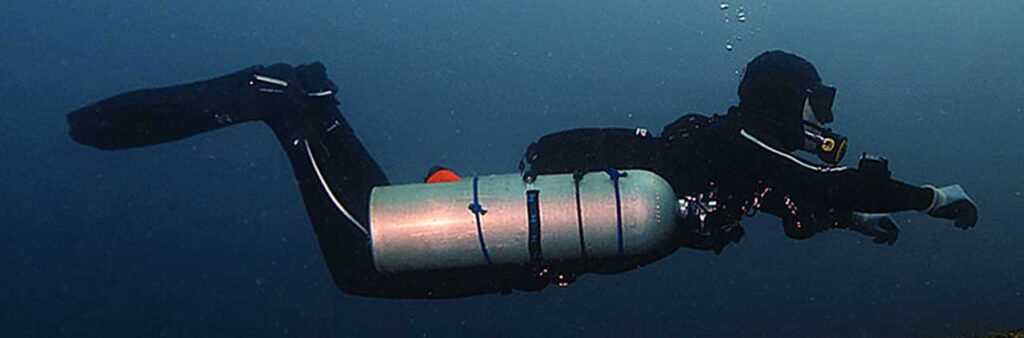
Aluminum scuba tanks offer 5 key benefits over steel alternatives: they are lighter (average 31 lbs vs. 28-35 lbs for steel), more buoyant (reducing weight needs), cor...
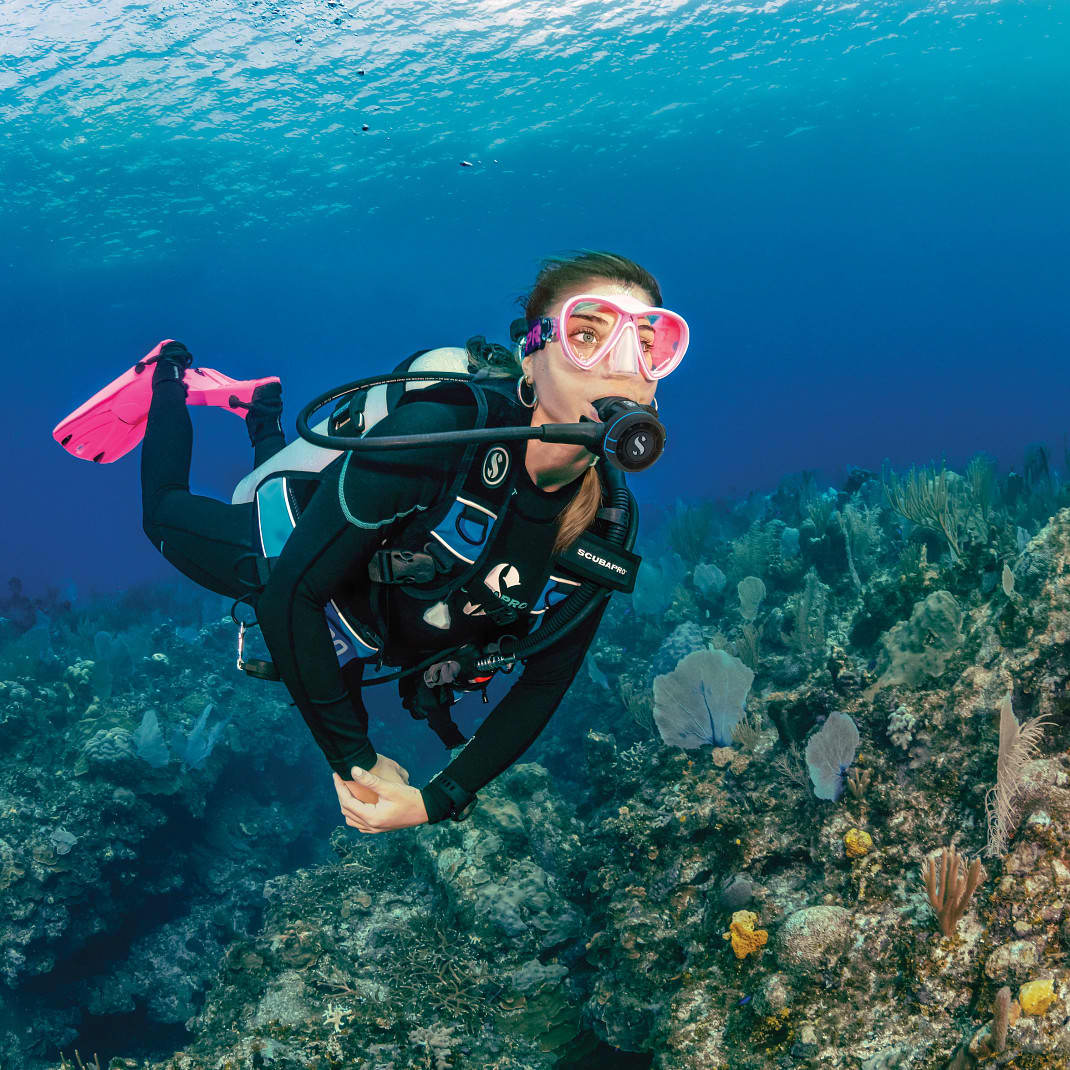
Scuba Gear Storage: 5 Tips to Prevent...
Properly storing scuba gear extends its lifespan by up to 50%. Rinse equipment with fresh water after each use to remove salt and debris, then hang wetsuits to dry ins...
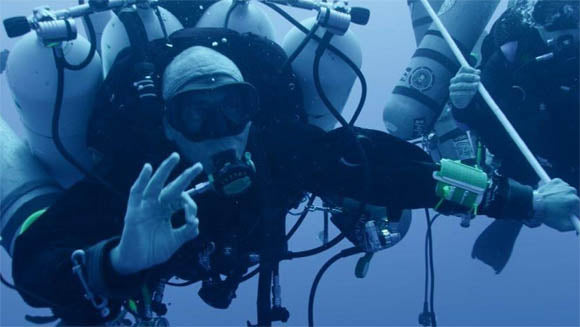
Gear Certification: 5 Scuba Standards...
"Gear Certification: 5 Scuba Standards Decoded" explains key safety benchmarks for dive equipment. EN250 (EU) and UL1191 (US) certify regulators for depth up to 50m, w...
Snorkel Gear Care: 5 Anti-Fog Solutions
To keep your snorkel gear fog-free, try these 5 solutions: 1) Baby shampoo mixed with water (1:10 ratio) creates an effective DIY anti-fog film. 2) Commercial anti-fog...