
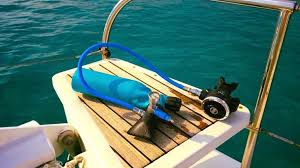
Mini scuba tank kit contents: 7 essen...
A mini scuba tank kit typically includes 7 essential components: a 3L aluminum tank (most common size), a first-stage regulator to control airflow, a pressure gauge (u...
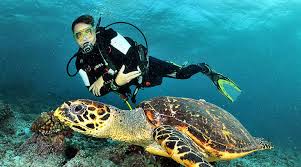
Small scuba tank buoyancy: 5 adjustme...
To optimize small scuba tank buoyancy, try these 5 adjustments: Add 1-2 lbs of weight to counteract tank floatation when near-empty. Use a low-profile tank (e.g., 6L a...
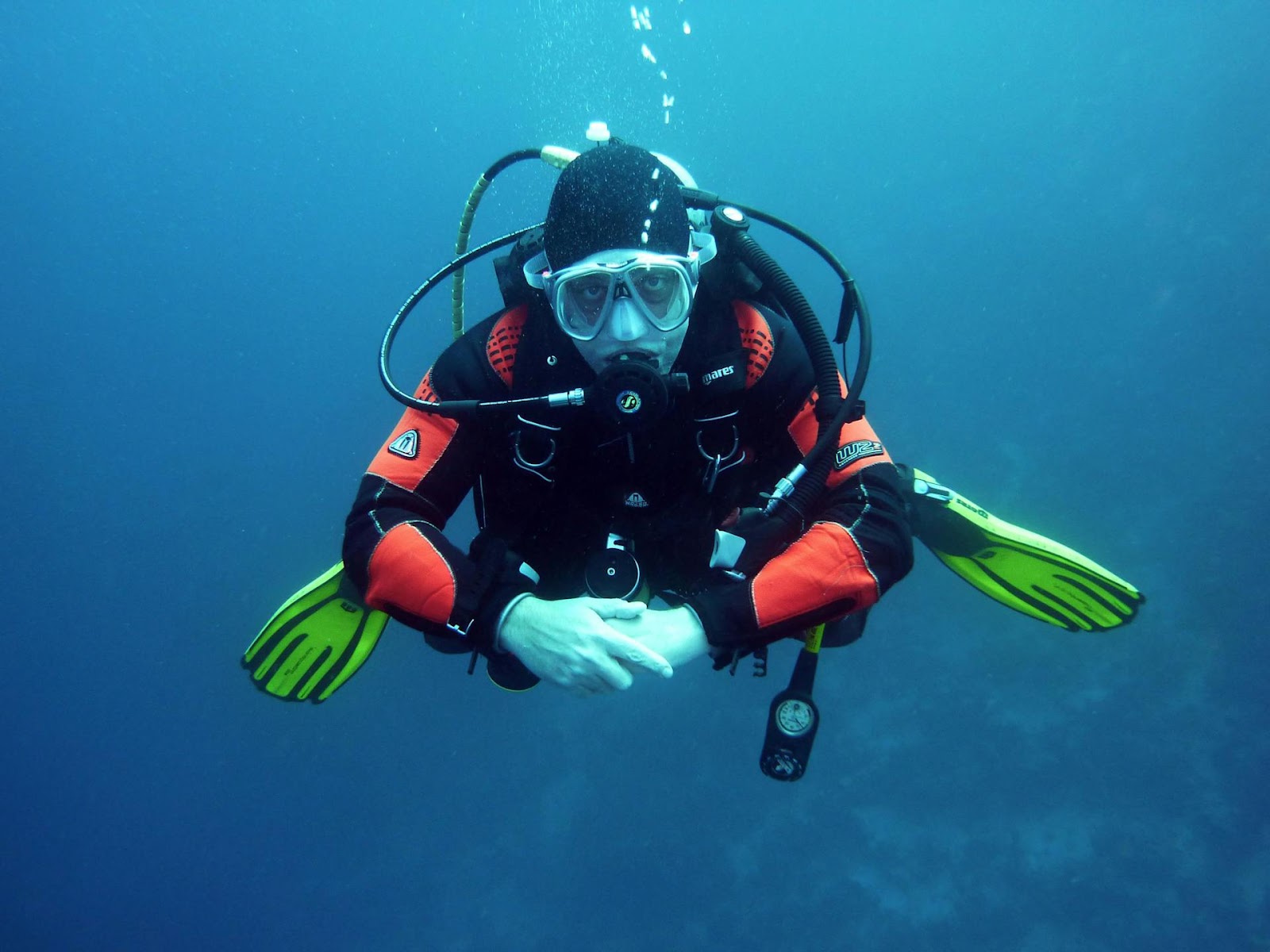
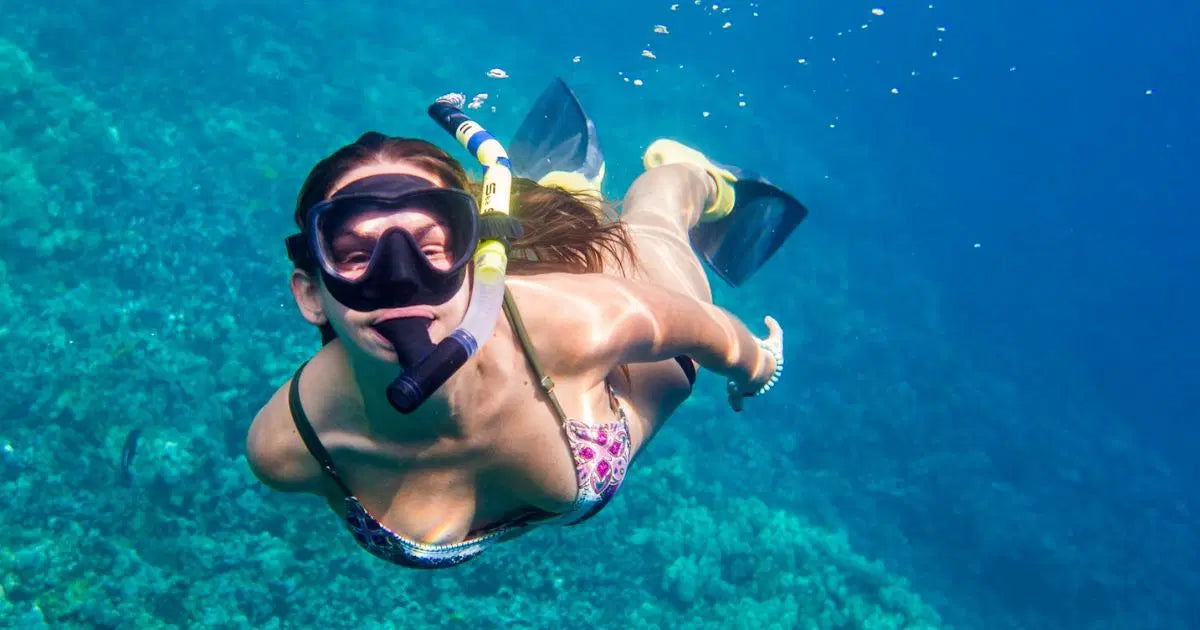
Snorkel mask fog solutions: 5 proven ...
Here are 5 proven anti-fog methods for snorkel masks: 1) Baby shampoo (1 drop mixed with water) creates a lasting film. 2) Spit-and-rub, the classic diver’s trick, wor...
Emergency protocols for mini tanks: 5...
Emergency protocols for mini tanks include: 1) Immediate shutdown if temperature exceeds 70°C to prevent overheating; 2) 10-meter minimum safe distance from flammable ...

Snorkeling gear for adults: 7 must-ha...
When choosing snorkeling gear for adults, prioritize a dry-top snorkel to prevent water entry, a tempered glass mask for clarity, and silicone skirts for comfort. Opt ...
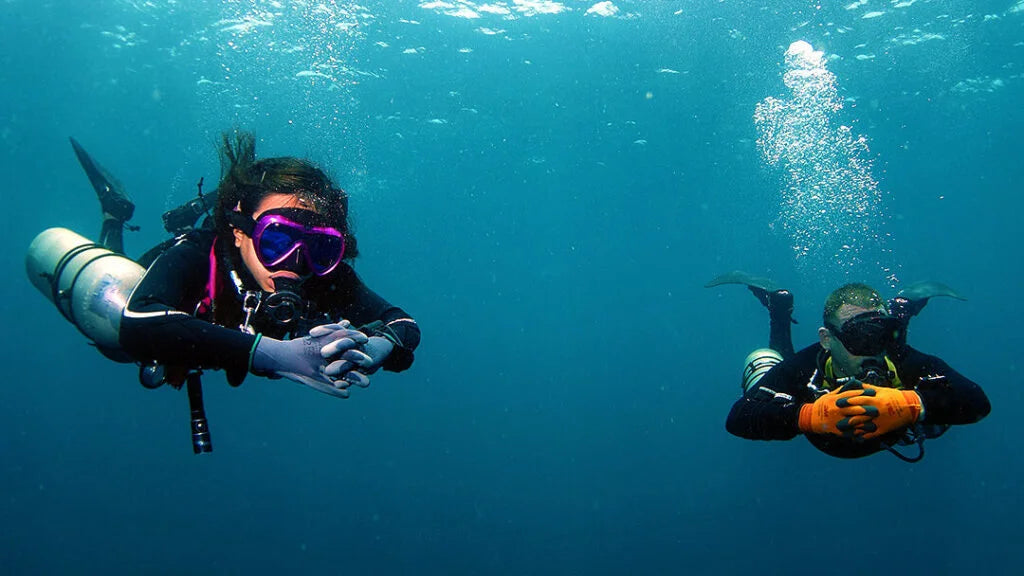
Scuba tank maintenance schedule: 6 mo...
Here’s a concise 6-month scuba tank maintenance schedule: Inspect visually for dents/corrosion, check hydrostatic testing every 5 years, and service the valve annually...