
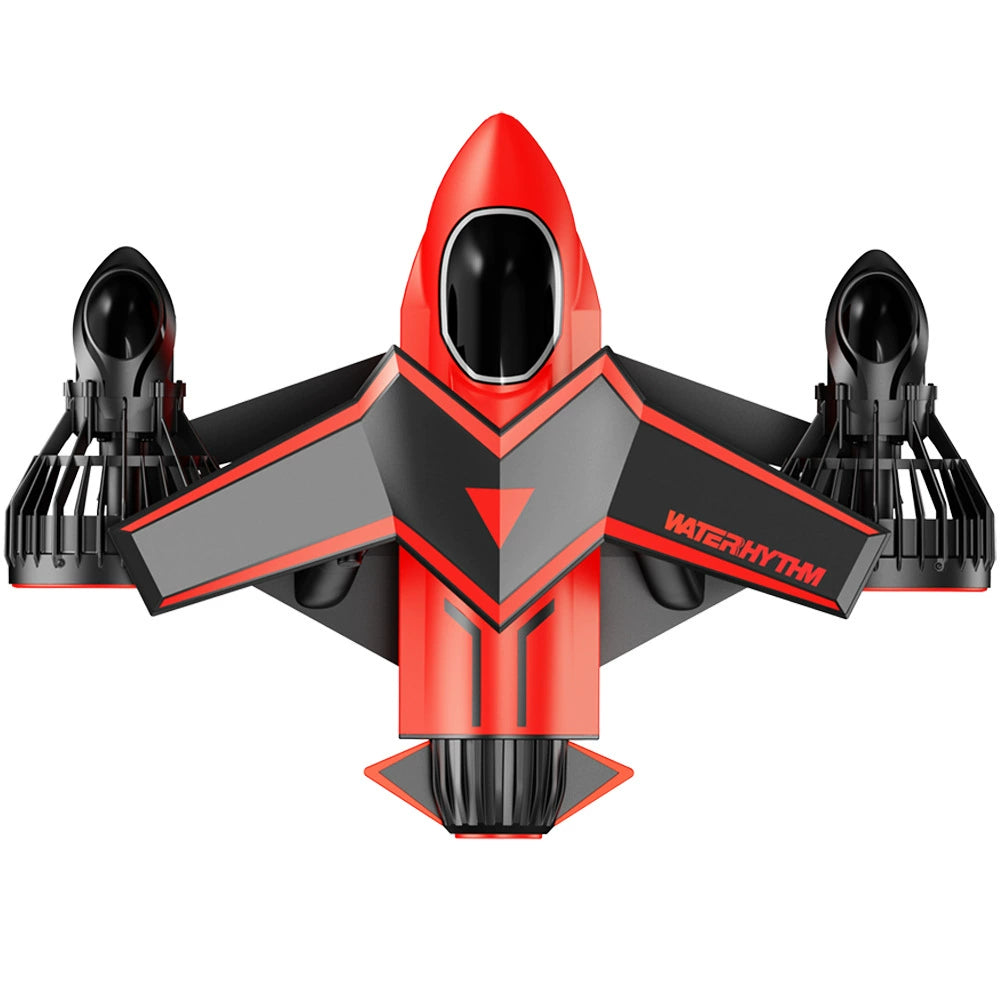

Snorkels are unbeatable for their zero learning curve and unlimited air supply, but they are strictly for surface use and offer exceptional safety and freedom. Mini scuba tanks (0.5L-1L) can support dives to depths of 3-10 meters for about 5-15 minutes, but they involve pressure changes, and improper use can easily lead to pulmonary barotrauma.

Depth
Snorkel
Most J-shaped snorkels are between 38 cm and 43 cm long, with an internal diameter typically around 22 mm. At those dimensions, internal dead space stays within roughly 180 to 230 mL. A calm adult breath at rest is about 500 mL.
If the internal volume exceeds 250 mL, a large amount of exhaled gas remains trapped in the tube. On the next inhalation, about 40% of that stale air is drawn back into the lungs. Blood oxygen saturation can drop from 98% to 94% in a short time. The narrower the tube, the greater the breathing resistance.
The one-way purge valve membrane at the mouth end is 0.8 mm thick. It is usually made from silicone with a Shore hardness of 45. A strong exhalation can clear more than 90% of the water inside the tube. The exhalation pressure needs to reach a water column height of 20 to 30 cm.
-
Total snorkel length: 380mm-450mm
-
Internal tube diameter: 22mm-24mm
-
Silicone mouthpiece width: 55mm
-
Purge valve opening pressure: 0.01 Bar
-
Curved section angle: 130 degrees
-
Dry-top float valve closing time: less than 0.1 second
At 20 cm below the surface, the chest experiences 0.02 atmospheres more pressure than at the surface. The breathing muscles have to work harder against that compression. At a depth of 50 cm, the lungs can no longer overcome 500 pascals of pressure. Air from the surface can no longer be drawn into the lungs through the tube.
Freedivers typically descend on a breath-hold to depths of 5 to 10 meters. At 10 meters underwater, ambient pressure is 2 atmospheres. The air volume in the lungs is compressed to half of its surface volume. At that depth, the mask develops a negative pressure difference of 0.1 atmosphere inside.
Mask squeeze usually starts to be noticeable at around 2 meters deep. Air has to be blown in through the nose to equalize the mask pressure. With every additional meter of depth, the eardrum is pushed inward by about 10 microns. The Frenzel maneuver can pressurize the middle ear in about 100 milliseconds.
-
Pressure at 1 meter: 1.1 ATA
-
Pressure at 3 meters: 1.3 ATA
-
Pressure at 5 meters: 1.5 ATA
-
Pressure at 10 meters: 2.0 ATA
-
Eardrum rupture pressure differential: 0.2-0.5 Bar
-
Lung injury pressure differential threshold: 0.1 Bar
The float valve at the top of a dry snorkel weighs about 3 grams. When a wave passes over it, the float rises by buoyancy and seals the air inlet. A sealing pressure of 0.05 N/mm² at the contact surface is enough to block seawater. Low-quality plastic floats can shrink and deform at 5 meters deep.
The tube body is typically made from PVC or polycarbonate. A wall thickness of 1.5 to 2.0 mm is enough to withstand wave impact. The corrugated section is designed with a stretch ratio of 1.5x. The smoother the inner wall, the more freely air can flow through it.
During fast swimming, airflow Reynolds numbers can exceed 4000. An internal surface roughness below 0.1 micron helps reduce breathing resistance. A streamlined tube body has a drag coefficient of 0.06 at 2 knots. The retaining clip is usually mounted on the left side.
-
Material hardness: 80A-90A PVC
-
Temperature resistance: -5°C to 45°C
-
Mouthpiece service life: 100-150 hours
-
Tube wall thickness: 2mm
-
Maximum clip load: 50 N
-
Purge valve lifespan: 24 months
People training in freediving use valve-free snorkels. This design requires very little energy to clear at depths of 10 meters. Exhalation to clear the tube begins when resurfacing to within 0.5 meters of the surface. The Bernoulli effect created by movement at the tube opening helps carry the water out.
Once the body’s CO2 partial pressure reaches 45 mmHg, the urge to breathe becomes overwhelming. Wearing an overly long snorkel makes this number rise much faster. Divers begin to feel a forced need to breathe. The brain may trigger an involuntary gasp reflex, causing the mouth to open wide without conscious control.
Underwater photographers often stay at around 3 meters for a minute at a time. The opening of the Eustachian tube is only 1 to 2 mm in diameter. If descent speed exceeds 0.5 meters per second, pressure equalization is needed every 2 seconds. Blowing too hard to equalize can injure the round window membrane.
The mouthpiece flange is usually 25 to 30 mm long. The bite point aligns with the second molars. Jaw fatigue has to be considered during prolonged use. The silicone should have a tear strength above 20 kN/m.
Once saliva mixes with seawater inside the snorkel, it becomes sticky. A hydrophobic coating on the valve membrane helps keep liquid from clinging to the surface. A 1:20 detergent solution is recommended for cleaning. A freshwater rinse removes salt crystals trapped in the threads.
The mask strap adjustment range is 20 to 40 cm. The snorkel hook sits about 8 cm from the outer corner of the eye. That position keeps the top of the tube above the surface even when the head is tilted down 45 degrees. In winds above Force 5, vibration at the exposed end of the tube can be transmitted directly to the gums.
The mouthpiece material usually has a Shore hardness of 40A to 50A. If the silicone is too soft, it can be bitten through at depth. With every additional 10 meters of depth, gas density doubles, and breathing resistance rises with it. For deeper diving, a larger-diameter snorkel is needed.
The UV-resistant coating on the surface of the tube is about 15 microns thick. Long exposure to sunlight makes PVC brittle. If cracks go deeper than 0.5 mm, the snorkel should be replaced. A compliant snorkel should not release phthalates after 48 hours in 40°C seawater.
The speed of sound in water is 1500 m/s. At 5 meters deep, the sound frequency of escaping bubbles falls between 50 Hz and 200 Hz. The vibration frequency of the one-way valve spring should avoid that range. Reducing vibration makes underwater life less likely to be startled.
-
UV protection thickness: 15μm
-
Seawater immersion test: 48 hours
-
Material tensile strength: 15 MPa
-
Bubble noise frequency: 50Hz-200Hz
-
Hose bend radius: 30mm
-
Mouthpiece tear force: >20N/mm
Mold grows quickly inside a snorkel at temperatures above 25°C. After each use, drying should not be delayed beyond 4 hours. Bacterial counts in residual moisture can double every 20 minutes. Keeping the inner wall of the tube dry extends the life of the valve.
Mini Scuba Tank
These 0.5-liter mini tanks are typically filled to 200 bar, or 3000 PSI. The cylinder is made from 6061 aerospace-grade aluminum, with a wall thickness of 6 to 8 mm. The empty tank weighs 1.1 kg, and fully charged compressed air adds another 130 grams.
The cylinder neck uses an M18x1.5 thread. Inside is a burst disc that automatically ruptures at 300 bar to relieve pressure. The external anodized layer is 40 microns thick, providing protection against seawater corrosion.
The first-stage regulator reduces the internal pressure from 200 bar to 9 to 10 bar. This piston design helps maintain smooth inhalation. The connected hose can withstand pressures above 34 bar. Breathing resistance at the second-stage mouthpiece is controlled to 1.2 inches of water column.
-
A 0.5-liter tank holds 100 liters of air
-
A 1-liter tank holds 200 liters of air
-
Manual filling requires 600 to 800 pump strokes
-
Fill port diameter: 8 mm
-
Burst disc rating: 300 Bar
-
Tank weight: 1.1kg to 2.3kg
At 10 meters underwater, pressure is 2 atmospheres. At that depth, every breath uses twice as much air as it would at the surface. A 1-liter tank at 10 meters effectively has only about 100 liters of usable air left.
At 5 meters deep, a mini tank can support breathing for 8 to 10 minutes. At 15 meters, that same air supply is gone in under 3 minutes. The gauge has a red zone marking 50 bar, and once the needle reaches it, ascent must begin immediately.
The pressure gauge has a 25 mm dial and is oil-filled for shock resistance. Its luminous coating remains visible in the dark for half an hour. The connector at the tank can rotate 360 degrees, preventing the hose from being pulled tight underwater with up to 10 kg of force.
-
Ambient pressure at 10 meters: 2 ATA
-
Air consumption at 10 meters: 40 L/min
-
Ascent rate must stay within 9 meters per minute
-
Gauge red warning zone: 50 Bar
-
Fill valve FKM ring temperature resistance: 200°C
-
Mouthpiece silicone hardness: 50 Shore
Filling generates compression heat, raising the cylinder surface temperature to 50°C. At that point, the tank should be cooled in water. A manual high-pressure pump uses a three-stage filtration system to remove moisture from the air. After filtration, the air dew point falls below -40°C.
The rubber boot at the base of the cylinder is 5 mm thick. It absorbs 70% of the impact from a drop. The valve knob has an anti-slip texture and can still be turned while wearing 3 mm diving gloves. The side strap is 25 mm wide and rated to lift 1 ton.
You must never hold your breath during ascent. Coming up from 10 meters, the air in the lungs doubles in volume. Ascent speed must stay slower than 9 meters per minute. If the ascent is too fast, bubbles can form in the blood and block capillaries.
-
Molecular sieve diameter in filter element: 1 mm
-
Tank base impact boot thickness: 5mm
-
Strap tensile strength: 1000kg
-
Maximum filling heat limit: 50°C
-
Air drying dew point: -40°C
-
Mouthpiece service cycle: 150 hours
The cylinder must undergo pressure testing every two years. Test pressure is 1.5 times working pressure, or 300 bar. If rust pits inside the cylinder reach a depth of 0.2 mm, the tank must be retired. Permanent deformation of internal volume must not exceed 5%.
The mouthpiece wings are 25 to 30 mm long. The bite points align with the back molars. The silicone material has a tear strength of 18 kN/m. This design helps reduce jaw fatigue. A freshwater rinse removes salt particles left in the threads.
If traveling with one of these tanks by air, the valve must be removed. Security personnel must be able to see that the cylinder is empty inside. The threads must be lubricated with oxygen-compatible grease. Ordinary engine oil can auto-ignite under high pressure, which is extremely dangerous.
-
Pressure test interval: 24 months
-
Maximum volume deformation rate: 5%
-
Oxide layer hardness requirement: HV300
-
Lubricant oxygen compatibility: 100%
-
Internal corrosion limit: 0.2mm
-
Second-stage flow rate: 500 L/min
The speed of sound in water is 1500 m/s. At 5 meters deep, the noise of exhaust bubbles falls between 50 and 200 Hz. The regulator diaphragm vibration frequency is designed to avoid that range. That makes fish underwater less likely to be startled.
The UV-resistant coating on the tank surface is 15 microns thick. Even with prolonged sun exposure, the aluminum will not become brittle. A compliant cylinder will not release toxic substances after 48 hours in 40°C seawater. The shoulder is engraved with the manufacturing date and inspection code.
The activated carbon inside the filtration system adsorbs oily odors. Each filter layer is rated at more than 100 mesh. That ensures every breath is clean. For long-term storage, pressure should be reduced to about 10 bar to keep moisture from entering the cylinder.
-
UV layer thickness: 15μm
-
Seawater immersion test: 48 hours
-
Filter mesh rating: 100 mesh
-
Storage reserve pressure: 10 Bar
-
Aluminum alloy grade: 6061-T6
-
Thread engagement: at least 8 turns
Depth vs. Time
For every 10.3 meters of depth, pressure increases by 1 atmosphere. At 5 meters underwater, the body is under a total pressure of 1.5 atmospheres. At that depth, a snorkeler can only look around on a breath-hold, and how long they can stay depends entirely on how long their blood oxygen holds out. For an average person, bottom time on a breath-hold is usually only 30 to 45 seconds.
While snorkeling, heart rate can drop to around 50 beats per minute because of the dive reflex. That physiological response saves some oxygen, but the amount of carbon dioxide in the blood still rises every second. Once CO2 partial pressure reaches 45 mmHg, the brain forces the urge to breathe. That means the diver has to return to the surface within 60 seconds to breathe and recover.
-
Snorkel length: 38 cm
-
Breath-hold limit: about 60-90 seconds
-
Effective observation time: 30-45 seconds
-
Dive reflex heart rate: 50 bpm
-
CO2 threshold: 45 mmHg
-
Surface recovery time: 1-2 minutes
With a mini scuba tank, underwater time becomes directly tied to depth. A 1-liter tank filled to 200 bar contains 200 liters of air. At the surface, if you breathe 15 liters per minute, it will last about 13 minutes. But at 10 meters, where pressure doubles to 2 atmospheres, each breath uses twice as much air.
At 10 meters, that 1-liter tank will realistically last only 6.6 minutes. With every additional meter of depth, water pressure increases by 0.1 atmosphere, and the air supply is used up faster. The table below shows the difference between breath-hold time and mini-tank duration at different depths:
| Depth | Pressure | Snorkel (Breath-Hold Time) | 0.5L Tank Duration | 1.0L Tank Duration |
|---|---|---|---|---|
| 0 meters | 1.0 ATA | Unlimited | 6.6 minutes | 13.3 minutes |
| 3 meters | 1.3 ATA | 45 seconds | 5.1 minutes | 10.2 minutes |
| 5 meters | 1.5 ATA | 35 seconds | 4.4 minutes | 8.8 minutes |
| 10 meters | 2.0 ATA | 20 seconds | 3.3 minutes | 6.6 minutes |
| 15 meters | 2.5 ATA | <10 seconds | 2.6 minutes | 5.3 minutes |
How hard you move underwater also determines how long the air lasts. Watching fish at an easy pace uses about 12 to 15 liters per minute. Swimming against a 3-knot current can drive consumption above 30 liters per minute. Under those conditions, a 0.5-liter mini tank at 5 meters may not even last 2 minutes.
-
Air consumption during slow swimming: 12-15 L/min
-
Air consumption when chasing fish quickly: 30-40 L/min
-
Panic breathing: >80 L/min
-
Safe reserve pressure: 50 Bar
-
Pre-dive preparation time: 3-5 minutes
-
Underwater stay efficiency: 5 times higher than snorkeling
There is no ascent restriction after a snorkel dive because the lungs are not filled with compressed air. A rapid ascent from 5 meters simply returns the air in the lungs to its original surface volume. But if you take a 1-liter breath from a mini tank at 5 meters, it will expand to 1.5 liters by the time you reach the surface.
If you hold your breath during ascent, an alveolar pressure differential of just 0.1 bar can rupture lung tissue. The final 3 meters before the surface involve the most dramatic pressure change and are where accidents are most likely. Ascent must stay slower than 9 meters per minute. Coming up from 5 meters should take at least 15 seconds to be safe.
-
10 meters to 7 meters: pressure changes by 15%
-
3 meters to the surface: pressure changes by 30%
-
Maximum ascent rate: 9 meters/minute
-
Safe lung pressure differential: 0.1 Bar
-
Emergency ascent time: >15 seconds (from 5 meters)
Water temperature also steals time from a tank. Air filled in 30°C sunlight and then taken into 20°C water can lose about 15 bar of pressure. That is simply thermal contraction. A gauge reading 200 bar right after entry may show only 185 bar five minutes later.
-
For every 1°C drop in water temperature: pressure drops 0.6 Bar
-
Heat transfer in cold water: 25 times faster than in air
-
Cold-related increase in air consumption: 20%-30%
-
Tank cooling time: 3 minutes
-
Heating during hot filling: up to 50°C
The depth limit for a snorkel comes down to facial pressure and squeeze. At 10 meters, the air space inside a mask is compressed to half its original volume. If you do not blow a little air into the mask through your nose to equalize, the tiny blood vessels around the eyes can become visibly bloodshot under a pressure difference of 0.1 atmosphere. Each equalization costs about 50 mL of air from the lungs.
With mini tanks, nitrogen buildup in the body becomes a concern. One tank does not hold much air, but repeated dives on multiple tanks can still leave nitrogen in the bloodstream. It is best to rest at least half an hour between dives. After 5 consecutive tanks at 8 meters, nitrogen loading is already close to the safety limit.
-
Surface interval: at least 30 minutes
-
Recommended daily tank limit: no more than 4
-
No-fly waiting time: 12 hours
-
Nitrogen elimination rate: drops 15% with dehydration
-
Recommended repeated-dive depth profile: progressively shallower
At 3 meters underwater, someone taking photos with a snorkel has to surface every 45 seconds to breathe. With a mini tank, you can stay steady on the bottom for 500 seconds. That difference in time makes it possible to wait for shy crabs or small fish to emerge from the rocks.
As the air is used up, the tank gets lighter in the water. A full 200-bar air charge weighs about 130 grams. As that air is exhaled into the water, buoyancy increases slightly. In shallow water at 3 meters, that extra 100-plus grams of buoyancy can start to pull you upward, so you need to control body position with the residual air in your lungs.
-
Compressed air weight: 130 grams (1L tank)
-
Buoyancy increase: about 1.2 N
-
Lead weight required: 1-2 kg
-
Hover depth error: ±0.5 meters
-
Mouthpiece contact width: 50mm
On most mini tanks, once pressure drops below 30 bar, breathing becomes noticeably harder. At that point, the regulator can no longer maintain stable intermediate pressure. Every breath starts to feel like a pull. Once inhalation feels heavy, there is usually less than a minute left before the air is completely gone.
-
Point where breathing resistance increases: 30 Bar
-
Remaining emergency air: about 15-20 liters
-
Second-stage delivery rate: 500 L/min
-
Manual pump force: 40 kg (after 150 Bar)
-
Tank impact boot thickness: 5mm
With long-term snorkel use, the mix of saliva and seawater inside the tube becomes sticky. If the coating on the purge valve wears off, the water will no longer drain cleanly. After every use, it should be washed with a 1:20 cleaning solution. Salt crystals must be removed thoroughly so the one-way valve can still open at 0.01 bar.
-
Cleaning solution dilution ratio: 1:20
-
Valve opening pressure: 0.01 Bar
-
Bacterial doubling time: 20 minutes
-
Tube drying time: within 4 hours
-
Mouthpiece replacement interval: 150 hours
The tightness of the mask strap affects snorkel position. A hook distance of 8 cm from the outer corner of the eye is ideal, so when you tilt your head down 45 degrees to look at coral below, the top of the tube still stays above the surface. In winds above Force 5, the exposed part of the snorkel can wobble in the wind, and that vibration is transmitted directly to the gums.
-
Adjustment strap range: 20-40 cm
-
Hook distance from outer corner of the eye: 8 cm
-
Tube opening bevel angle: 45 degrees
-
Effect in Force 5 wind: noticeable vibration
-
Residual water underwater: less than 5 mL
Safety
Snorkel
The physical length of a snorkel is usually kept strictly between 35 and 45 cm. That limit is not about portability, but about how much air the diaphragm can move against water pressure. A tube 40 cm long and 2.5 cm in diameter has an internal volume of about 196 mL. This non-exchangeable space is known as dead space. A resting adult tidal volume is about 500 mL, so if dead space exceeds 40%, a large portion of exhaled carbon dioxide remains in the tube.
If a diver tries to breathe while 50 cm below the surface, the chest has to work against about 0.05 atmospheres of extra water pressure. That is the equivalent of a 500-pascal load on the chest, increasing the work of breathing by more than 20% compared with land. If the tube is extended to 60 cm, the pressure difference can overwhelm the pulmonary capillaries, causing fluid leakage and even pulmonary edema.
-
The mouthpiece uses food-grade silicone with a Shore hardness of 45 to 55. If it is too soft, the tube will wobble in the current; if it is too hard, the jaw joint will start to ache within 20 minutes.
-
The bottom one-way purge valve is set to open below 0.1 psi, so a light puff is enough to clear about 150 mL of water from the tube.
-
Tube diameter is usually kept between 20 and 25 mm. Too narrow, and airflow resistance rises sharply; too wide, and the clearing burst is no longer strong enough to expel residual droplets.
-
The splash guard channel design can intercept 80% of fine wave spray entering the top and direct the water into the sump below.
Long-term inhalation of stale gas trapped in the snorkel raises blood CO2 partial pressure and can drive heart rate above 110 beats per minute. That response sharply increases oxygen consumption and can cause severe throbbing headaches at the temples during a continuous 30-minute snorkeling session. Slow, deep, steady breathing is the only way to maintain efficient gas exchange in the tube.
The float valve at the top of a fully dry snorkel is usually made from high-density polyethylene (HDPE). With a density slightly lower than water, it can respond to a change in water level and seal the inlet within 0.5 seconds. But once the snorkeler descends deeper than 2 meters, the trapped air inside the sealed tube creates about 0.2 kg of upward buoyancy. That pull constantly tugs at the mask skirt, which can cause slight leakage as shallow as 1.5 meters.
-
After every use, salt crystals measuring 0.1 to 0.5 mm must be cleaned away. If they become lodged along the edge of the one-way valve, leakage can reach about 10 mL per minute.
-
After 100 hours of strong UV exposure, silicone loses 30% of its tensile strength, typically showing up as yellowing and brittleness.
-
The attachment clip between snorkel and mask should withstand more than 10 kg of sudden pull, so the gear is not lost in currents above 0.5 knots.
-
In damp conditions, biofilm can begin forming on the inner wall of the snorkel within 24 hours. If it is not cleaned regularly, it develops a mildew-like odor that makes breathing unpleasant.
The angle between the snorkel and the head should stay within 30 degrees to reduce drag while swimming. At a steady speed of 0.5 knots, a poorly angled snorkel can create about 2 newtons of constant lateral pull on the neck. That force is small, but over a continuous 500-meter swim, it significantly increases trapezius fatigue.
The corrugated section is designed so the mouthpiece can naturally hang downward when not in use, without interfering with switching to a second stage. A good corrugated section should still have a smooth inner wall so that water droplets do not remain trapped during clearing. If the internal ridges are too deep, every breath comes with a sloshing sound like rinsing the mouth, which usually means at least 15 mL of water is still trapped inside.
-
The flexible section should not stretch beyond 1.5 times its original length, or airflow will be affected.
-
The purge valve membrane is generally replaced every 12 months. Long-term exposure to seawater with 3.5% salinity causes silicone to age and lose elasticity.
-
If the mouthpiece wings show bite marks deeper than 0.5 mm, the material has already developed physical fatigue and may break at any time.
-
A reflective coating on the snorkel tip can improve visibility from 200 meters away, which is a useful safety detail near busy boat lanes.
Portable Mini Tank
These 0.5-liter mini tanks are usually made from 6061 aluminum alloy or carbon fiber, and an empty one weighs around 1.1 kg in the hand. Filled to 200 atmospheres, or 3000 psi, it contains 100 liters of air. A person at rest on land uses 15 to 20 liters per minute, but at 10 meters underwater, where the pressure is doubled, that same air supply in the lungs lasts less than 3 minutes.
At 5 meters, where ambient pressure is 1.5 atmospheres, if you take a full breath from the tank and hold it while swimming upward, the air in your lungs expands to 1.5 times its original volume. Lung tissue is delicate. A pressure difference of just 0.1 atmosphere is enough to rupture alveoli like an overinflated balloon. During ascent, exhaled bubbles must be allowed to stream continuously from the mouth. Breath-holding is absolutely forbidden.
If you panic underwater and start taking large, rapid breaths, air consumption can double instantly. At 6 meters, a 0.5-liter tank may not even last 5 minutes, and the gauge needle can visibly sweep back like the second hand of a clock. Once the needle reaches the red zone at 50 bar, a tank this small only has a few breaths left.
-
The first stage reduces the pressure from 200 atmospheres down to 9.5 atmospheres, and the second stage then delivers air to your mouth in line with the surrounding depth.
-
If even a little water gets into the pressure gauge and fogs it, or the dial reflects sunlight, it becomes easy to misread the remaining pressure by as much as 20 bar.
-
Filling with a manual high-pressure pump is hard work. It takes 600 to 800 strokes to fill this little tank, and you will not get it done in under 20 minutes.
-
The mouthpiece should use silicone around 50 Shore. Too soft, and the current can dislodge it; too hard, and your jaw will ache after 10 minutes.
For every 1°C drop in ambient temperature, the pressure inside the cylinder drops by about 0.5 atmospheres. A full cylinder filled onshore at 25°C and then taken into 15°C water will immediately read about 5 bar lower on the gauge. Many people think the tank is leaking, but the real reason is simply that the gas molecules become less active in the cold.
The stamped markings at the bottom of the cylinder are its ID card, listing the 300-bar test pressure and the manufacturing date. An aluminum cylinder must be retired after 15 years of service. If the inside is not cleaned regularly, residual 5-micron aluminum oxide powder can be carried into the lungs with the airflow, which is a serious foreign-body irritant.
Filling from an ordinary fuel-powered air compressor is risky. If filtration is inadequate, the air may contain carbon monoxide. Under high pressure underwater, that gas binds to hemoglobin even more readily than it does at normal pressure. At concentrations above 10 ppm, it can cause dizziness at depth.
-
The desiccant inside the cylinder system should be replaced after about 50 fills. Otherwise, moisture entering the second stage can freeze during expansion cooling and jam the valve.
-
The sealing O-ring on the cylinder valve becomes brittle after prolonged exposure to seawater at 3.5% salinity. If it is overtightened or salt crystals are not washed away, leakage can reach 1 liter per minute.
-
Carbon fiber tanks are about 30% lighter, but they are especially vulnerable to impact. A dent just 1 mm deep from hitting a reef can create a risk of rupture under high pressure.
-
If traveling by air, the valve must be removed so security can clearly see that the cylinder is empty, and the pressure gauge must read zero, or it will not be accepted even in checked baggage.
These mini tanks are negatively buoyant when full, but as the air is used up, the tank becomes about 120 grams lighter. That creates a slight upward pull, and without proper weighting it can throw off body balance near the surface.
In shallow water at 3 meters with direct sunlight, glare can make the gauge hard to read. When only the last one or two breaths remain, inhalation resistance suddenly rises and creates a strong feeling of vacuum. At that point, you need to switch back to breathing at the surface immediately, because the tiny amount of air left is no longer enough for anything extra.
If the filter in a manual pump turns yellow, the activated carbon is saturated with oil and moisture. Continuing to use it means the air inside the cylinder can exceed 50 mg/m³ of moisture. Breathing that damp compressed air at depth creates a sticky sensation in the throat and a metallic taste.
After every session in the sea, the tank needs to be soaked in fresh water for a full 15 minutes so all the salt crystals inside the regulator chamber can dissolve. If it is left unwashed, salt grains around 0.2 mm can force open gaps in the precision valve assembly.
Safety Comparison
For every additional 10 meters of depth, the body is subjected to 1 more atmosphere of pressure. A snorkel lets you breathe fresh air at 1 atmosphere at the surface, so pressure inside and outside the lungs remains balanced. Air from a mini tank passes through a regulator and is delivered to the mouth at a pressure that automatically adjusts to depth. At 10 meters, 100 liters of compressed air is effectively reduced to half its usable duration, so what would last 5 minutes at the surface may not even last 3 minutes at depth.
If you inhale compressed air at 10 meters and then hold your breath on the way up, the gas in your lungs expands rapidly as ambient pressure drops. Human alveoli are extremely delicate. If internal pressure exceeds external pressure by only 0.1 atmosphere, roughly equivalent to a 1-meter depth change, the air can tear through the lung membrane and enter the bloodstream. A snorkel does not create this problem, because the air in the tube is not compressed by depth, so a breath-hold ascent does not overexpand the lungs.
The table below shows the physical differences between the two types of gear and makes the underwater risk gap clear at a glance:
| Metric | Snorkel | Portable Mini Tank (0.5L/200bar) |
|---|---|---|
| Breathing Pressure | Always remains at 1 atmosphere | Increases with depth, by 1 atmosphere every 10 meters |
| Total Air Supply | Unlimited access to atmospheric air | Total of 100 liters; usable duration is cut in half under pressure |
| Risk of Pressure Injury | Extremely low, unless someone deliberately breath-holds on a deep dive | High; holding the breath during even a 1-meter ascent can damage the lungs |
| Monitoring Frequency | No gauge needed; just clear it when you hear water | Gauge should be checked every 30 seconds; below 50 bar, ascent is mandatory |
| Carbon Dioxide | Dead space is about 200 mL, so buildup is easy | Vented through the regulator; concentration stays below 0.5% |
If a snorkel is extended just 15 cm beyond the standard length, the chest muscles have to overcome an extra 500 pascals of pressure to expand. Breathing at 50 cm underwater raises physical effort by more than 20% compared with being on land. If carbon dioxide concentration inside the tube exceeds 4%, heart rate can jump from 70 bpm to over 110 bpm. The buildup of CO2 in the blood causes intense throbbing pain in the temples, which is the body’s warning signal for oxygen distress.
Equipment detail: The mouthpiece uses food-grade silicone with a Shore hardness of 45 to 55. If the silicone is too soft, even a slightly stronger current can twist the tube out of position; if it is too hard, the gums and jaw start to ache after about 20 minutes. The one-way purge valve at the bottom is set below 0.1 psi, so a puff no stronger than blowing out a candle is enough to expel 150 mL of water from the tube.
Aluminum alloy cylinders are especially vulnerable to corrosion from salt in seawater. If a tank used in seawater with 3.5% salinity is not soaked in fresh water for 15 minutes afterward, the sealing O-rings in the valve can become brittle and worn within a year. Once an O-ring cracks, leakage can exceed 1 liter per minute. A 0.5-liter tank only carries so little air to begin with that even a tiny leak can leave a diver realizing on ascent that the gauge has already hit zero.
-
The stamped marking at the base of the tank shows a test pressure of 300 bar, and aluminum cylinders must be retired after 15 years of service.
-
Every 12 months, the inside of the cylinder should be checked for 5-micron aluminum oxide particles, because inhaling them can damage the lungs.
-
The activated carbon filter in a manual pump should be replaced every 50 fills, or moisture will damage the regulator spring.
-
If the pressure gauge is off zero by more than 5 bar, the precision hairspring inside has likely failed from metal fatigue.
Once cylinder pressure drops below 20 bar, inhalation resistance becomes noticeably heavier because the pressure differential is too small. That negative-pressure sensation can trigger panic in just 0.2 seconds. In panic, breathing frequency can jump from 15 breaths per minute to more than 30, and the little air left may not even last a full minute. If the diver bolts upward and forgets to keep exhaling, the risk of lung injury can rise fivefold.
The table below summarizes the key maintenance and underwater safety checks for both types of equipment:
| Maintenance Detail | Snorkel Safety Standard | Portable Mini Tank Safety Standard |
|---|---|---|
| Freshwater Rinse | Focus on cleaning the mouthpiece and one-way valve membrane | Soak for 15 minutes to prevent salt crystals from jamming the regulator chamber |
| Wear Inspection | Replace the mouthpiece if cracks exceed 1 mm | O-ring torque should be controlled within 1 to 2 N·m |
| Gas Requirements | Avoid engine exhaust from boats | Compressed air carbon monoxide must never exceed 10 ppm |
| Weight Perception | About 200 grams, with minimal drag underwater | About 1.2 kg, with buoyancy increasing by 120 grams as air is used up |
| Material Fatigue | Strength drops 30% after 100 hours of UV exposure | A carbon-fiber impact mark deeper than 1 mm is already a hazard |
Physical drag: The snorkel should be attached to the mask strap about 2 cm above the ear. If it sits too low, swimming in a mild 0.5-knot current generates about 2 newtons of lateral pull. That force keeps tugging at the gums and can push the body about 5 degrees off course. To correct that drift, the diver ends up kicking about 10% more with the fins.
If flying with a tank, the valve must be removed and the cylinder completely depressurized. That is to prevent the sudden release of energy from 200 atmospheres of internal pressure in the low-pressure environment at altitude. A snorkel only needs to be kept in a cool place and out of direct sunlight so the silicone does not yellow and turn brittle. High-quality silicone can stay elastic after hundreds of hours in seawater and is far less likely than ordinary rubber to crack or leak.
Freedom
Best-Use Scenarios
In 28°C seawater, the human body loses heat 25 times faster than it does in air. When using a snorkel while floating in shallow water at 1.5 meters, the skin on the back is under atmospheric pressure of about 1013 hPa per square centimeter. Because the lungs sit about 30 cm below the surface, they must overcome an additional pressure difference of about 30 milligrams to draw in air. A snorkel with a 22 mm diameter and a wall thickness of 1.5 mm is dimensioned so that, at a breathing rate of 20 breaths per minute, laminar flow inside the tube does not transition into turbulence.
A 200-gram silicone snorkel clipped to the left side of the mask strap creates about 0.5 newtons of hydrodynamic drag. At a cruising speed of 0.8 m/s, that resistance is almost negligible. For photographers watching Indo-Pacific sergeant major fish (Abudefduf vaigiensis), the body can stay horizontal and the spine remains evenly loaded. With a dead space volume of 120 mL, about 5% of exhaled CO2 is rebreathed on each breath, keeping blood pH around the normal value of 7.4.
-
Gear weight: 150g - 350g
-
Purge valve opening pressure: < 0.01 bar
-
Recommended wave height: < 0.3 meters
-
Visibility range: limited by surface refraction, typically 5-15 meters
-
Calorie loss: about 150 - 200 kcal per hour
By 5 meters, seawater has filtered out 90% of the red wavelength in sunlight. At that point, a 0.5L mini tank behaves very differently. Compressed air at 3000 PSI (about 20.7 MPa) is reduced by the first stage to 140 PSI. At 5 meters, ambient pressure is 1.5 bar. With air consumption around 25 liters per minute at surface equivalent, that means the tank can support only about 3.5 to 4 minutes of continuous breathing.
The cylinder is made from 6061-T6 aluminum alloy, with a wall thickness of about 6.3 mm. Once filled, it has roughly 0.8 kg of negative buoyancy in seawater. To offset that and maintain neutral buoyancy, the diver has to add about 800 mL of displacement either through a BCD or by expanding the lungs. At that point, heart rate stays around 80 bpm, and PO2 is about 0.31 bar, well below the 1.4 bar safety threshold.
-
Cylinder length: 280mm - 300mm
-
Pressure gauge range: 0 - 350 bar
-
Breathing resistance: adjustable, typically set to 1.2 - 2.5 cm H2O
-
Quick-connect fitting: 8mm industrial grade
-
Odor filtration: dual system with activated carbon and molecular sieve
A propeller has become entangled with 12 mm nylon rope. A snorkeler would have to make a quick drop every 40 seconds, with heart rate quickly dropping to 50 bpm because of the mammalian dive reflex. Under heavy physical exertion, blood CO2 partial pressure rises by about 5 mmHg per minute. Repeated equalization also puts mechanical strain on the eardrum, making it difficult for a single work session to last more than 15 minutes.
Switch to a 1.0L mini tank, and total air capacity reaches 200 liters. Working at 2 meters, where ambient pressure is 1.2 bar, and even with breathing demand increased to 30 L/min by physical labor, it still provides more than 5 minutes of continuous working time. Both hands are completely free, allowing precise cutting with a 10 cm stainless steel dive knife. In that setting, the tank provides not sightseeing convenience, but industrial-level operational stability.
If ambient temperature drops from 30°C to 20°C, cylinder pressure falls by about 3.5% because of thermal contraction. Each stroke of a manual high-pressure pump generates enough heat in the piston chamber to burn the skin. Filling 0.5L of air requires about 600 strokes and consumes roughly 500 kJ of energy, which is about the same as running 5 kilometers. If the cylinder is filled directly from a 12L donor tank, the process takes only 15 seconds, but static buildup inside the transfer hose must be taken seriously.
-
Fill valve material: HPb59-1 chrome-plated brass
-
O-ring hardness: Shore 70A - 90A
-
Burst disc rating: 4500 PSI
-
Filter service life: replace after 20 - 30 fills
-
Transfer hose pressure rating: not less than 630 bar
In narrow rock cracks or coral openings less than 60 cm wide, standard 20 kg scuba gear cannot fit. A 1.5 kg mini tank clipped under the arm reduces body cross-section by 40%. In a sidemount posture, the diver can move into the gap to photograph spiny lobsters (Palinuridae). In that situation, the pressure gauge has to be watched closely, because a 10-bar drop represents less than 15 seconds of reserve time.
Ascent must follow the 9 meters-per-minute limit. Because mini tanks hold so little gas, the pressure drop curve is steep. Once the needle reaches 50 bar, the red zone, the remaining gas is enough for only about 45 seconds at 3 meters. The valve must never be closed during ascent, because the residual pressure inside prevents seawater from backflowing into the precision first stage.
Within a 23 kg airline checked baggage allowance, a 1.0L tank takes up about 10% of the weight. The valve and cylinder must be separated so security staff can inspect the inner wall through the 20 mm threaded opening for signs of oxidation. A snorkel, by contrast, can simply be folded into a 30 cm fin-boot bag. If the aluminum cylinder takes an impact above 50 joules during baggage handling, it should be checked by ultrasonic inspection.
At 10 meters, color saturation is reduced and ambient light falls to about 15% of surface brightness. Snorkel users stay in the brightest surface zone, where the cone cells in the retina are highly active. Mini-tank users operate more often in the 5 to 8 meter range, where vision depends more on rod cells. Moving repeatedly between those depths forces frequent pupil adjustment and increases strain on the ciliary muscle.
-
Air transport declaration: UN 1002 (compressed air)
-
Hydrostatic test interval: once every 36 months
-
Regulator cleaning: descale with citric acid solution after every 20 uses
-
Tank base protection: 1.5 mm rubber base
-
Mouthpiece: hypoallergenic liquid silicone, rated for 50N bite force
Limitations Compared
A snorkel with a 22 mm inner diameter sits at a hydrodynamic sweet spot. Increasing the diameter to 25 mm raises dead space volume by 30%, leading to obvious CO2 buildup inside the tube. The 380 mm tube length is a compromise between average wave height and breathing resistance. With a medical-grade silicone mouthpiece at Shore 55A, tensile strength reaches 3.4 MPa, enough to withstand underwater bite force.
The one-way purge valve membrane is 0.8 mm thick, with an opening pressure set at 0.005 bar. A slight positive pressure from the lungs is enough to clear out trapped water. The first stage on a 1.0L mini tank uses a balanced piston design. Air at 3000 PSI passes through the first stage and is steadily reduced to an intermediate pressure of 145 PSI.
-
Snorkel weight: 180g - 260g
-
Mouthpiece material: liquid silicone (Liquid Silicone)
-
Tube material: PVC or PC
-
Purge valve opening pressure: < 100 pascals
-
Dead space volume: 120ml - 180ml
-
Streamlined surface drag coefficient: 0.05Cd
The inner wall of a 0.5L tank is under 20.7 MPa of static pressure. Neck threads are usually M18x1.5 or 5/8"-18 UNF. At 10 meters underwater, ambient pressure is 2.0 bar. With a respiratory minute volume of 20 liters per minute during light activity, actual air consumption becomes 40 liters per minute at surface equivalent. That yields an effective supply time of about 2.5 minutes.
Such a short time window leaves no room for mistakes. Second-stage breathing resistance is typically set between 1.2 and 2.0 cm H2O. If resistance is too high, heart rate can jump from 70 bpm to 120 bpm, accelerating air consumption. In seawater, 6061-T6 aluminum cylinders are subject to electrochemical corrosion, so they should be visually checked every 12 months for oxide spots larger than 0.5 mm.
| Parameter Comparison | Professional Snorkel | Mini Tank (0.5L) |
|---|---|---|
| Working Pressure | Atmospheric pressure (1.0 bar) | 200 bar / 3000 PSI |
| Burst Disc Pressure | None | 30 MPa / 4350 PSI |
| Material Standard | EN 1972:2015 | DOT-3AL or CE |
| Breathing Resistance | 0.01 - 0.03 bar | 0.8 - 1.5 inches of water |
| Buoyancy | +15g to +30g | -0.5kg (empty) to -0.8kg (full) |
| Maintenance Interval | Freshwater rinse every season | 12-month disassembly and annual inspection |
Hydrostatic testing is required every 3 years, at 1.5 times working pressure, or 30.3 MPa. Silicone parts on a snorkel will yellow after 200 hours of strong UV exposure. A manual high-pressure pump typically has a piston diameter of about 20 mm, with a 304 stainless steel body. The filter cotton is rated at 5 microns, and the fill fitting is an 8 mm brass quick-connect.
Manual filling involves adiabatic compression. When a 0.5L tank is filled from 0 to 200 bar, cylinder temperature rises from 25°C to 58°C. Without water-bath cooling, internal pressure naturally drops by about 15 bar once the cylinder cools. Actual manual filling efficiency is only about 90% of the nominal figure.
-
Manual pump strokes: about 650
-
Energy per fill: about 500 kJ
-
Fill valve material: HPb59-1 chrome-plated brass
-
O-ring hardness: Shore 90A
-
Pressure gauge accuracy: Class 1.6
At 15 meters underwater, absolute pressure is 2.5 bar. Air density in a mini tank is 2.5 times what it is at the surface. Gas viscosity increases, and flow through the valve becomes restricted. A snorkel cannot be used at that depth, because the lungs cannot overcome the pressure equivalent of a 1.5-meter water column to draw in air from the surface. For air transport, the valve must be removed, and cylinder wall thickness is typically 6.3 mm to 7.1 mm.
During long-distance snorkeling, a snorkel generates about 0.3 newtons of lateral force in a current of 1.0 nautical mile per hour. A mini tank, being bulkier, generates about 1.2 newtons. The diver has to adjust weight placement so the center of gravity and center of buoyancy align on the vertical axis. Regulator maintenance requires Christo-Lube.
-
Air transport declaration code: UN 1002
-
Tank base diameter: 60mm
-
Mouthpiece width: 50mm
-
Burst disc rating: 4500 PSI
-
Stored air pressure loss: about 5% for every 10°C drop
Petroleum-based lubricants can auto-ignite in a 200-bar high-pressure oxygen environment. Snorkels should be maintained with a 2% acetic acid solution to remove calcified deposits. A 1.0L tank weighs 2.5 kg and produces 1.2 kg of negative buoyancy underwater. Without buoyancy compensation, emergency exit speed can drop by 35%. A 15-liter lung-volume reserve is the safety margin that snorkel users rely on.


Hinterlasse einen Kommentar
Alle Kommentare werden vor der Veröffentlichung geprüft.
Diese Website ist durch hCaptcha geschützt und es gelten die allgemeinen Geschäftsbedingungen und Datenschutzbestimmungen von hCaptcha.