
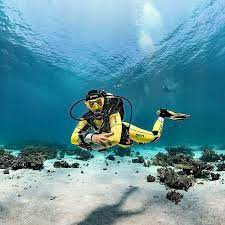
Diving cylinder corrosion resistance:...
When comparing corrosion resistance in diving cylinder materials, stainless steel (316L) offers excellent performance with <0.1mm/year corrosion rate in seawater, w...
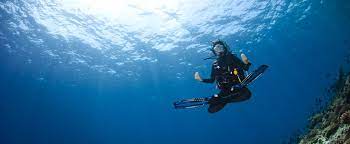
Dive tank holder options: 5 practical...
Here are 5 practical dive tank carrying solutions: 1) Backpack-style holders (e.g., ScubaPro Roller Backpack, holds 1-2 tanks) for hands-free transport; 2) Wheeled car...

Steel vs aluminum dive tank: 5 mainte...
Steel tanks require less frequent hydrotesting (every 5 years vs. aluminum’s 3-5 years) but need more corrosion checks due to rust risk, while aluminum tanks resist sa...
Scuba compressor maintenance: 5 filte...
Here’s a concise 60-word guide for scuba compressor filter maintenance: Replace filters every 50-100 hours or as per manufacturer guidelines. First, shut off and depre...
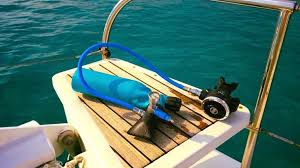
Mini scuba tank kit contents: 7 essen...
A mini scuba tank kit typically includes 7 essential components: a 3L aluminum tank (most common size), a first-stage regulator to control airflow, a pressure gauge (u...

Small scuba tank buoyancy: 5 adjustme...
To optimize small scuba tank buoyancy, try these 5 adjustments: Add 1-2 lbs of weight to counteract tank floatation when near-empty. Use a low-profile tank (e.g., 6L a...