
Mini scuba tank for emergency use: 5 ...
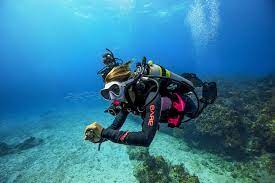
For mini scuba tank emergency prep: First, check pressure monthly (full = 3,000 psi, safe minimum = 500 psi); second, practice regulator attachment until fluent; third...

How to protect a mini scuba tank from...
To protect a mini scuba tank from corrosion, rinse it with freshwater after each use to remove salt or chemicals, then dry thoroughly(focus on valves and seams) before...
What are the different valve types fo...
Mini tank valves include ball, needle, diaphragm, and plug valves, differing in flow control, pressure tolerance, and application: Ball valves (Cv 0.1–10 GPM) suit hig...

How to choose a mask for mini tank di...
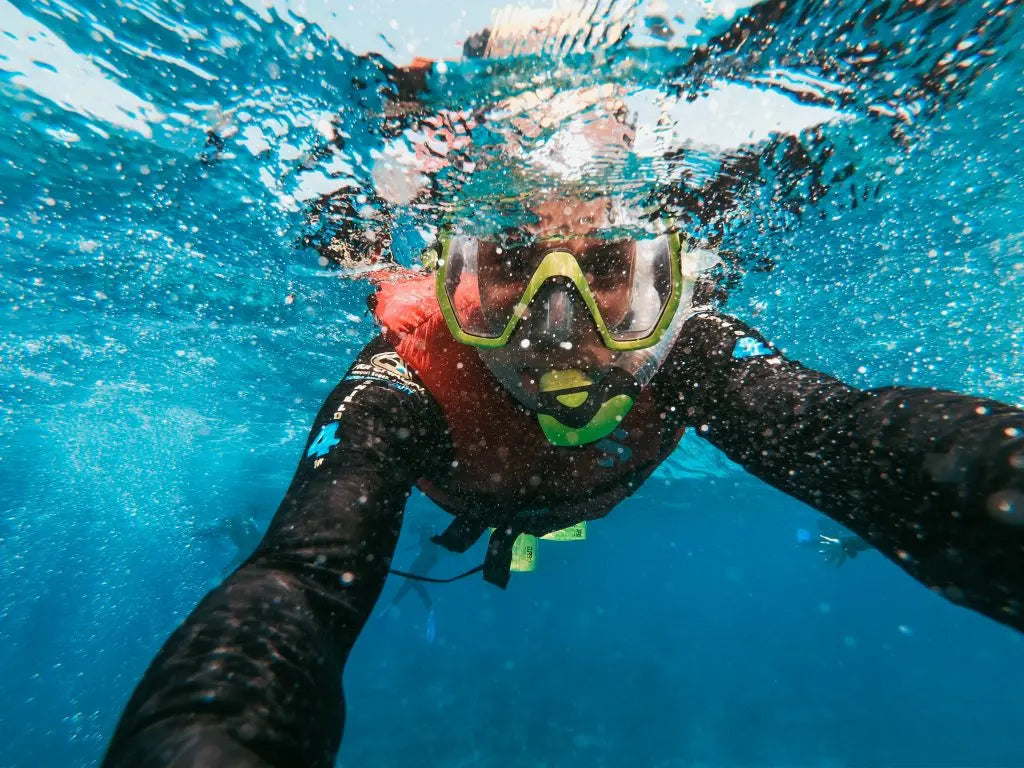
When choosing a mask for mini tank diving, prioritize a snug fit (test with the "2-finger press" to check for leaks), 180° wide-angle lenses to maximize underwater vis...
How to troubleshoot a mini scuba tank...
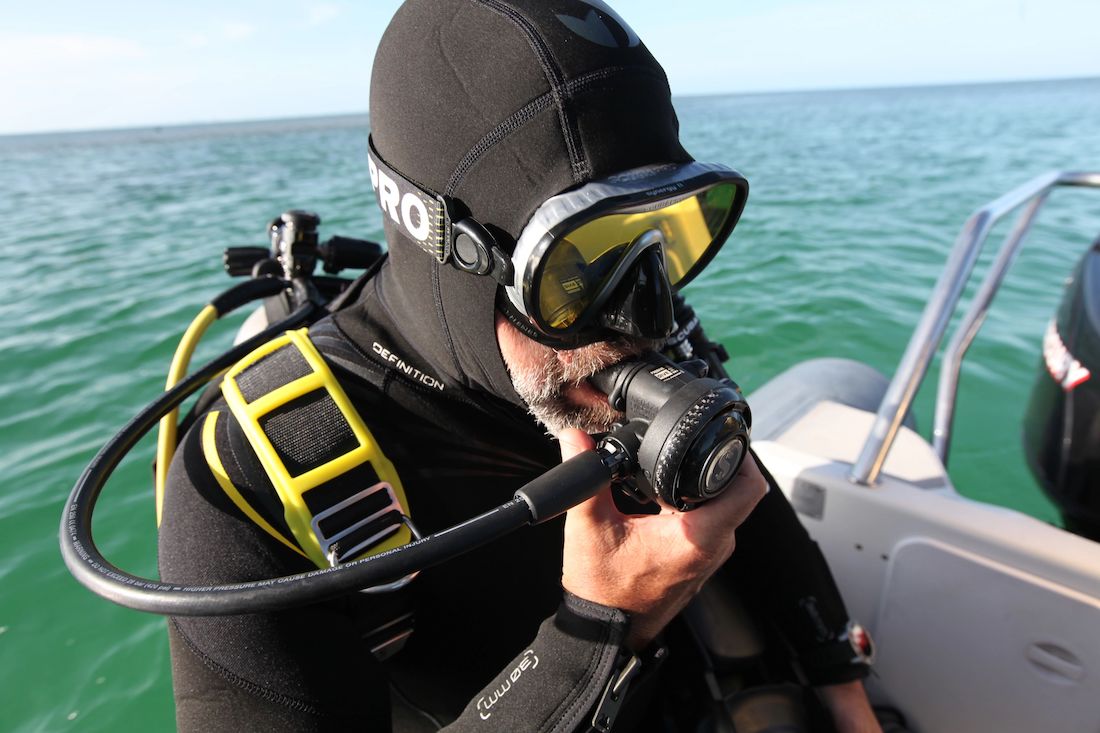
To troubleshoot a mini scuba tank regulator, start by checking pressure—if it’s below 500 psi (normal is above 800 psi), the tank may be underfilled. Next, inspect for...
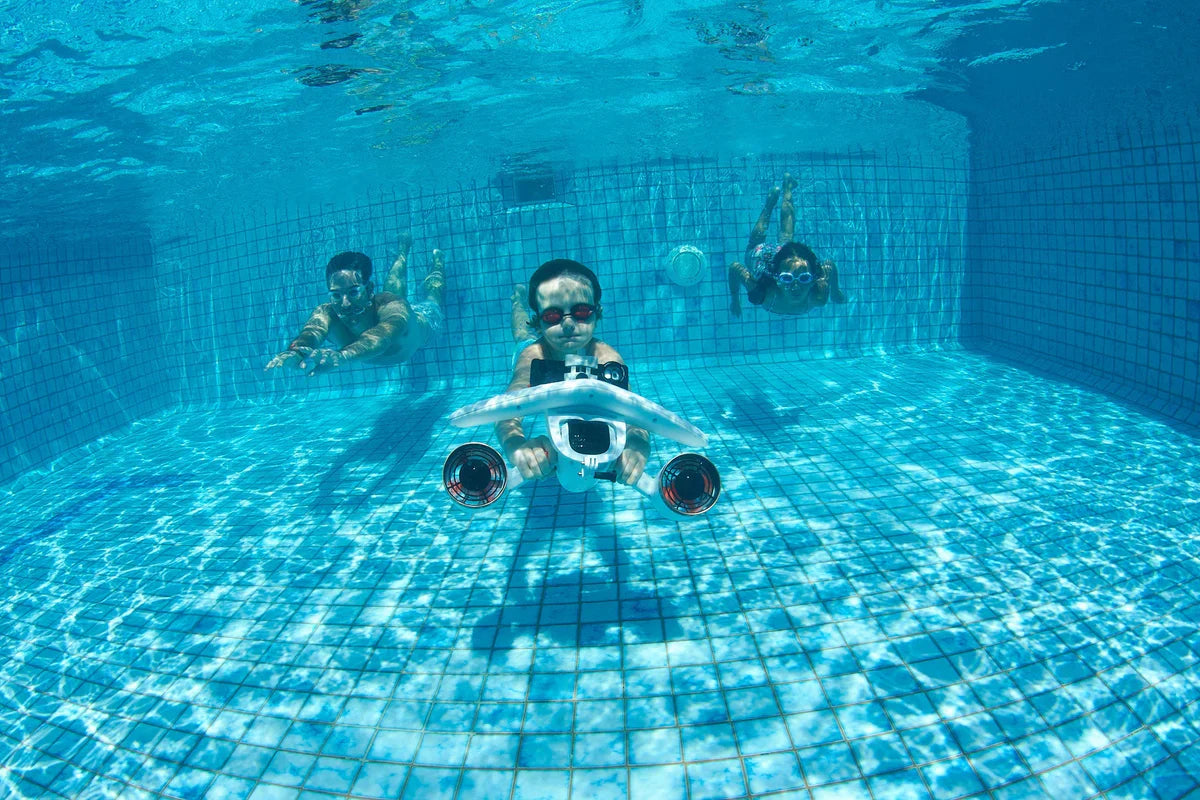
How to use an underwater scooter with...
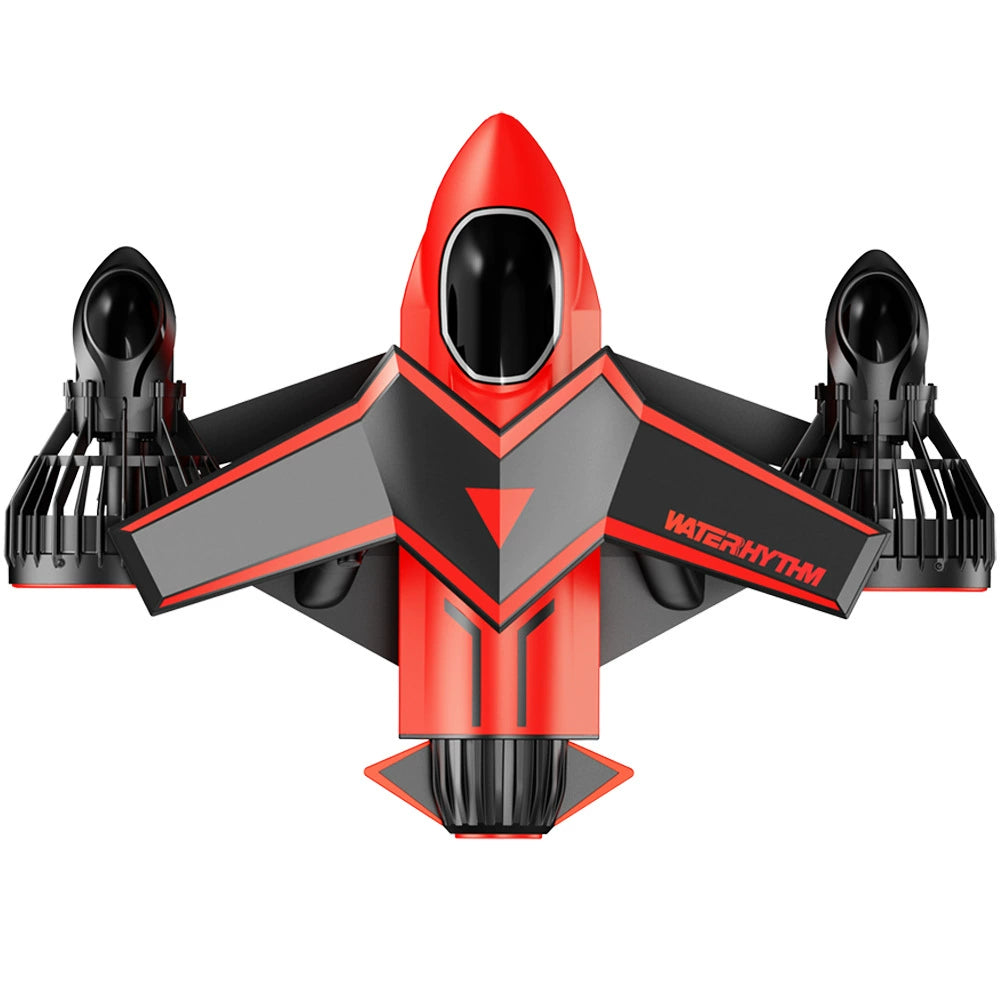
To use an underwater scooter with a mini tank, first check the tank’s oxygen capacity (e.g., 200L for 30 mins); start slow at 2-3 knots to avoid stirring sediment; lim...